
White Slight Intermingled DTY Yarn: Advantages, Manufacturing Excellence, and Market Impact
In the global textile industry, yarn is the backbone of every fabric—shaping its feel, performance, and durability. Among the myriad yarn types available, Drawn Textured Yarn (DTY) stands out as a versatile option, prized for its elasticity and texture. But within the DTY family, a niche product has emerged as a game-changer: White Slight Intermingled DTY Yarn. This yarn combines the best of textured yarn technology with a unique intermingling process, delivering unmatched balance between bulk, elasticity, and thermal performance. In this article, we dive deep into what makes this yarn special, its advantages over competitors, the advanced manufacturing processes that create it, and the company leading its production.
What is White Slight Intermingled DTY Yarn?
To understand White Slight Intermingled DTY Yarn, we first need to break down its components and manufacturing roots. DTY, or Drawn Textured Yarn, is a type of synthetic yarn made from polyester (or other polymers) that undergoes a drawing and texturing process to create crimps—tiny waves or curls that give the yarn elasticity and bulk. The "slight intermingling" aspect refers to a controlled process where compressed air is used to gently interlock the individual filaments of the yarn, preventing tangling without flattening the crimps that contribute to its texture.
White Slight Intermingled DTY Yarn is specifically crafted from high-quality polyester preoriented yarn (POY). The POY is first drawn to reduce its diameter and increase its strength, then subjected to false twisting—a process that creates permanent crimps in the yarn. Unlike regular DTY, which may use heavy intermingling to make the yarn more stable, slight intermingling preserves the yarn’s natural bulk while ensuring it remains easy to handle during weaving or knitting. This unique balance makes it ideal for applications where both comfort and performance are non-negotiable.
Another key identifier of this yarn is its white base. The white color is achieved through a combination of high-purity polyester raw materials and careful post-processing, including bleaching and brightening with eco-friendly agents. This white base not only makes the yarn versatile for dyeing into any color but also enhances its visual appeal in natural and light-colored fabrics.
Key Advantages of White Slight Intermingled DTY Yarn
White Slight Intermingled DTY Yarn outperforms many traditional and synthetic yarns in key areas, making it a preferred choice for manufacturers across industries. Let’s explore its core advantages:
1. Balanced Elasticity and Bulk
One of the most notable advantages of this yarn is its perfect balance between elasticity and bulk. Regular DTY yarns often lean too far in one direction: some are highly elastic but lack the bulk needed for warmth, while others are bulky but lose elasticity over time. White Slight Intermingled DTY solves this problem by preserving the crimps from the false twisting process while using slight intermingling to keep the filaments loosely bound. This results in a yarn that stretches comfortably (up to 30% of its original length) and rebounds to its original shape, while also providing a soft, fluffy texture that adds warmth without extra weight.
For example, when compared to nylon yarn—another elastic option—White Slight Intermingled DTY offers more bulk, making it better suited for winter wear. Nylon yarn, while stretchy, is often thin and lacks the insulating properties needed for cold climates. In contrast, the bulk of this DTY yarn traps air pockets, which are critical for thermal insulation.
2. Exceptional Thermal Insulation
Thermal insulation is a standout feature of White Slight Intermingled DTY Yarn. The crimped structure of the yarn creates millions of tiny air pockets, which act as barriers to heat transfer. Unlike cotton, which absorbs moisture and loses its insulating properties when wet, this polyester-based yarn wicks moisture away from the skin, keeping the wearer dry and warm even in damp conditions.
According to a 2022 study by the European Textile Federation, polyester yarns retain up to 70% of their insulation value when wet, compared to just 10% for cotton. White Slight Intermingled DTY takes this a step further: its slight intermingling ensures that the air pockets remain intact, even after repeated washing and stretching. This makes it an ideal choice for thermal underwear, winter jackets, and outdoor gear.
3. Durability and Wear Resistance
White Slight Intermingled DTY Yarn is highly durable, thanks to its polyester base and controlled manufacturing process. Polyester is inherently resistant to abrasion, stretching, and shrinking—qualities that make it last longer than natural fibers like cotton or wool. The slight intermingling process adds an extra layer of durability by preventing the filaments from fraying or tangling during use.
When compared to cotton yarn, this DTY yarn has a tensile strength that is 2-3 times higher. This means it can withstand more wear and tear, making it suitable for high-traffic applications like upholstery or activewear. For example, a pair of yoga pants made from this yarn will retain its shape and elasticity after hundreds of washes, whereas a cotton pair may stretch out or pill over time.
4. Superior Moisture Management
Moisture management is another key advantage of White Slight Intermingled DTY Yarn. Polyester fibers are hydrophobic, meaning they repel water and dry quickly. The crimped structure of the yarn enhances this property by creating channels that draw moisture away from the skin and into the air. This not only keeps the wearer dry but also prevents the growth of bacteria and odors—critical for activewear and athletic gear.
Unlike spandex, which can trap moisture and cause discomfort, this DTY yarn combines moisture-wicking properties with breathability. The slight intermingling ensures that air flows freely through the fabric, reducing the risk of overheating during physical activity. This makes it a top choice for runners, hikers, and gym enthusiasts.
5. Cost-Effectiveness
While high-performance yarns like cashmere or merino wool are often associated with premium prices, White Slight Intermingled DTY Yarn offers similar or better performance at a fraction of the cost. This is because polyester is a relatively affordable raw material, and the manufacturing process—while advanced—is scalable, allowing for bulk production at lower costs.
For manufacturers, this means they can create high-quality products without passing exorbitant costs onto consumers. For example, a winter jacket made from this yarn will be more affordable than a cashmere jacket but will provide comparable warmth and durability. This cost-effectiveness has made the yarn popular among both mass-market brands and luxury manufacturers looking to balance quality and price.
Advanced Manufacturing Processes Behind the Product
The quality of White Slight Intermingled DTY Yarn is a direct result of the advanced manufacturing processes used to create it. Each step is carefully controlled to ensure consistency, performance, and sustainability. Let’s take a detailed look at the process:
1. Raw Material Selection
The first step in manufacturing White Slight Intermingled DTY Yarn is selecting high-quality raw materials. The company uses virgin polyester chips—polyester in its solid, pellet form—with a purity level of 99.9% to ensure the yarn is free from impurities that could affect its performance. These chips are sourced from reputable suppliers that adhere to strict environmental standards, reducing the carbon footprint of the production process.
Before processing, the chips undergo a rigorous inspection: they are tested for moisture content, melting point, and impurity levels. Only chips that meet the company’s strict criteria are used in production, ensuring that the final yarn is of consistent quality.
2. Preoriented Yarn (POY) Production
The polyester chips are melted at high temperatures (around 280°C) and extruded through a spinneret—a metal plate with hundreds of tiny holes—to form continuous filaments. These filaments are then cooled using cold air and wound onto bobbins to form Preoriented Yarn (POY). The POY has a low orientation (molecular alignment) and is soft and flexible, making it ideal for further processing.
The company uses state-of-the-art spinning machines imported from Germany, which allow for precise control over the spinning speed (up to 4000 meters per minute) and filament diameter. This precision ensures that the POY is uniform, with no weak spots or inconsistencies that could affect the final DTY yarn.
3. Drawing and False Twisting
The POY is then fed into a drawing and false twisting machine, which is the heart of the DTY manufacturing process. The drawing process stretches the POY to reduce its diameter and increase its strength. The drawing ratio (the ratio of the final yarn length to the original POY length) is carefully controlled—typically between 1.5 and 3.0—to achieve the desired denier (thickness) of the yarn.
After drawing, the yarn undergoes false twisting. This process involves twisting the yarn, heating it to set the twist (around 200°C), and then untwisting it. The heating step creates permanent crimps in the yarn, which give it elasticity and bulk. The company uses a proprietary false twisting technology that optimizes the twist level and heating temperature to ensure the crimps are uniform and long-lasting.
4. Slight Intermingling
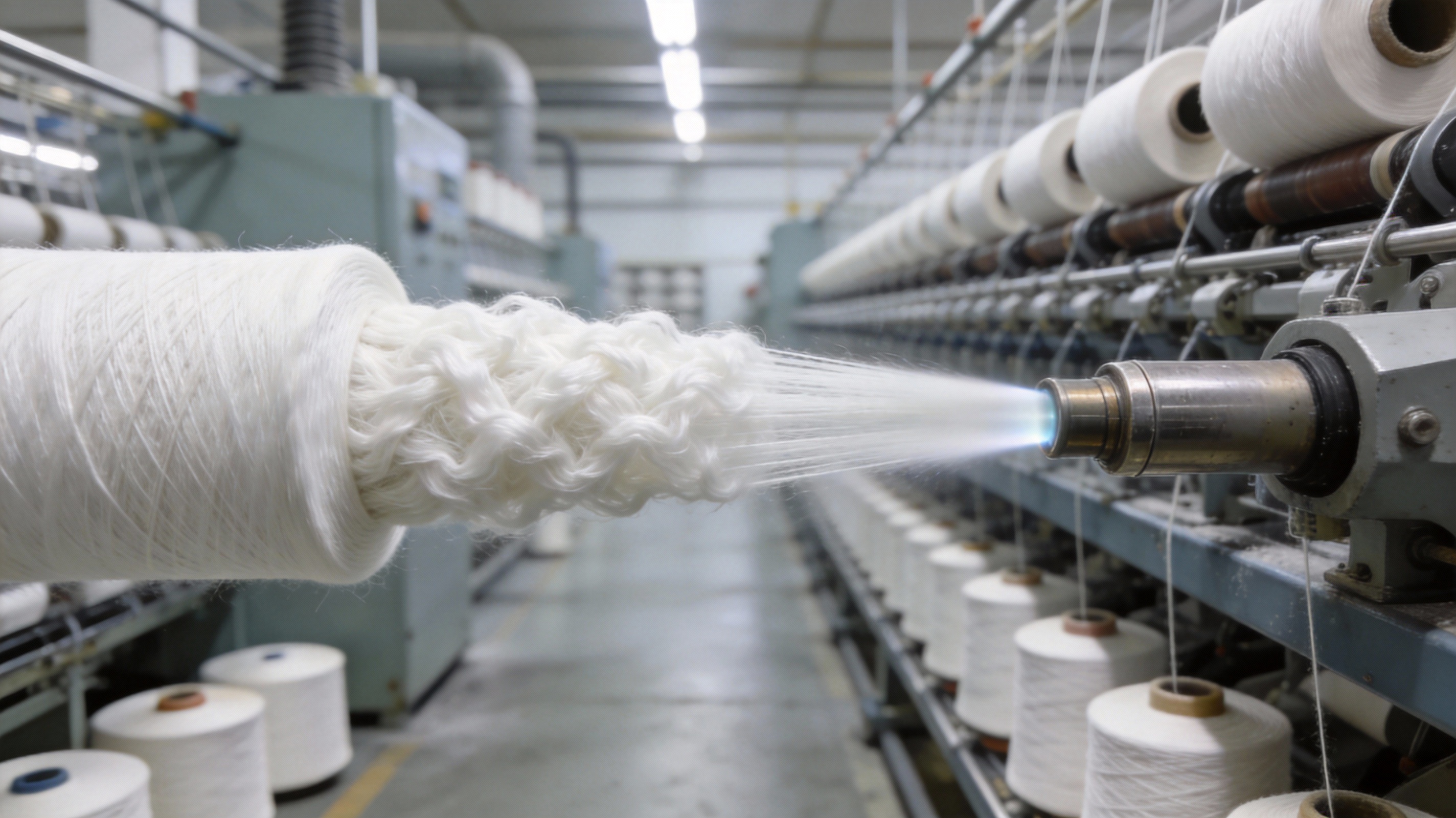
The next step is slight intermingling—a unique process that sets this yarn apart from regular DTY. The yarn is passed through a compressed air nozzle, which uses low-pressure air (0.2-0.5 bar) to gently interlock the individual filaments. This process prevents the yarn from tangling during weaving or knitting but does not flatten the crimps, preserving the yarn’s bulk and elasticity.
The company’s R&D team has developed a proprietary nozzle design that allows for precise control over the intermingling level. This design reduces energy consumption by 15% compared to traditional intermingling nozzles, making the process more sustainable. The intermingling level is tested using a specialized machine that measures the number of interlocks per meter of yarn, ensuring consistency across batches.
5. Post-Processing and Quality Control
After intermingling, the yarn undergoes post-processing steps to enhance its performance and appearance. These steps include:
- Bleaching and Brightening: The yarn is bleached using eco-friendly hydrogen peroxide to achieve a bright white color. This process is carefully controlled to avoid damaging the yarn’s crimps or strength.
- Softening: A hypoallergenic softener is applied to the yarn to make it feel softer against the skin. This softener is free from harmful chemicals like formaldehyde, making the yarn safe for sensitive skin.
- Anti-Pilling Treatment: A special coating is applied to the yarn to prevent pilling—tiny balls of fiber that form on the surface of fabrics over time. This treatment ensures that the yarn remains smooth and attractive even after repeated use and washing.
Quality control is an integral part of every step in the manufacturing process. The company’s QC lab uses advanced equipment to test the yarn for:
- Tensile strength (breaking load)
- Crimp elasticity (recovery after stretching)
- Denier consistency (uniform thickness)
- Color uniformity (white brightness)
- Moisture content
Each batch of yarn is tested multiple times—before, during, and after processing. Only batches that meet the company’s strict quality standards are approved for sale.

Applications of White Slight Intermingled DTY Yarn
White Slight Intermingled DTY Yarn’s unique combination of performance and versatility makes it suitable for a wide range of applications. Let’s explore some of the most common uses:
1. Winter Wear
The yarn’s thermal insulation and bulk make it ideal for winter wear. It is used to make:
- Thermal underwear and base layers
- Winter jackets and coats
- Sweaters and cardigans
- Scarves and hats
For example, thermal underwear made from this yarn traps air pockets to keep the wearer warm, while its moisture-wicking properties prevent sweat from making them cold. The elasticity of the yarn ensures a comfortable fit that moves with the body.
2. Activewear
Activewear manufacturers love this yarn for its moisture management, elasticity, and durability. It is used to make:
- Yoga pants and leggings
- Running tights and shorts
- Athletic shirts and tops
- Sports bras
The yarn’s ability to wick moisture away from the skin keeps athletes dry and comfortable during intense workouts. Its elasticity allows for a full range of motion, while its durability ensures that the activewear lasts for months (or even years) of regular use.
3. Home Textiles
White Slight Intermingled DTY Yarn is also used in home textiles, thanks to its softness, durability, and easy care. It is used to make:
- Blankets and throws
- Bed linens and pillowcases
- Curtains and drapes
- Upholstery fabrics
Blankets made from this yarn are warm and fluffy, while their easy-care properties mean they can be washed and dried quickly. Upholstery fabrics made from the yarn are resistant to stains and abrasion, making them ideal for high-traffic areas like living rooms and bedrooms.
4. Industrial Textiles
The yarn’s durability and chemical resistance make it suitable for industrial applications. It is used to make:
- Filter fabrics for air and water purification
- Insulation materials for buildings and appliances
- Conveyor belts and industrial fabrics
Filter fabrics made from this yarn are effective at trapping particles while allowing air or water to pass through. Insulation materials made from the yarn provide excellent thermal resistance, reducing energy costs for buildings and appliances.
The Company’s Competitive Edge in Manufacturing
The production of White Slight Intermingled DTY Yarn is led by a company with decades of experience in the textile industry. The company’s competitive edge lies in its integrated supply chain, advanced R&D capabilities, and commitment to quality and sustainability.
1. Integrated Supply Chain
The company has a fully integrated supply chain, from raw material sourcing to finished yarn production. This means it controls every step of the process, from selecting polyester chips to packaging the final yarn. This integration has several benefits:
- Consistent quality: No middlemen mean no variations in raw materials or processing.
- Faster delivery: The company can produce and ship yarn in as little as 7-10 days, compared to the industry average of 14-21 days.
- Cost efficiency: By eliminating middlemen, the company can offer competitive prices to its customers.
The company’s production facility covers 32.6 acres and has a plant area of 18,000 square meters. It is equipped with over 200 state-of-the-art machines, including spinning, drawing, and intermingling machines, allowing it to produce up to 1,200 tons of DTY yarn per month.
2. Advanced R&D Capabilities
The company invests heavily in R&D, with a team of over 50 engineers and technicians dedicated to improving its manufacturing processes and developing new products. The R&D team has:
- Developed a proprietary false twisting technology that reduces energy consumption by 15%.
- Optimized the slight intermingling process to enhance the yarn’s bulk and elasticity.
- Created eco-friendly finishing treatments that are safe for the environment and sensitive skin.
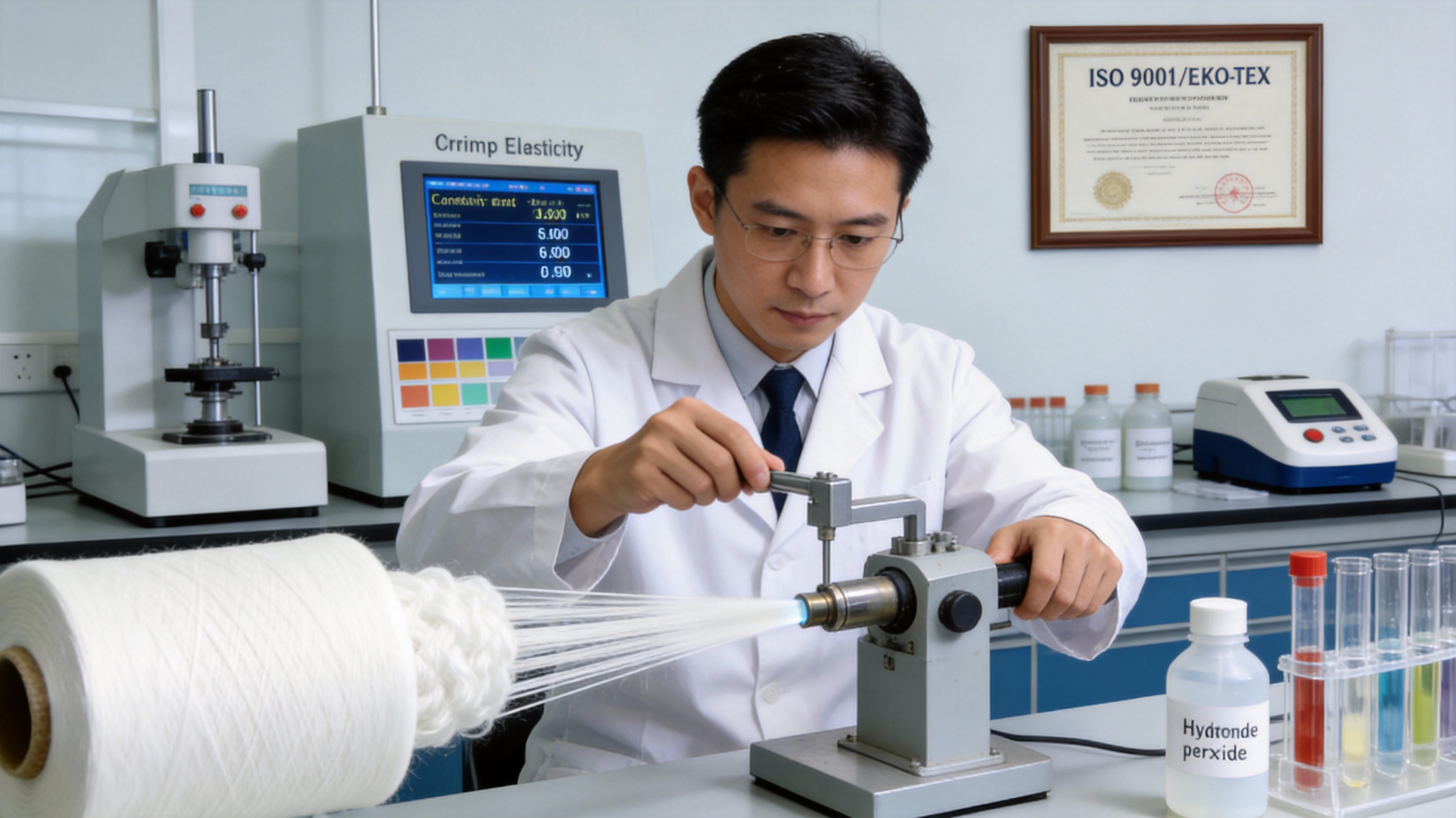
The company’s R&D lab is equipped with advanced testing equipment, including a tensile strength tester, crimp elasticity tester, and colorimeter. This allows the team to quickly test new processes and products, ensuring that they meet the company’s high standards.
3. Commitment to Quality and Sustainability
The company is committed to producing high-quality yarn that is safe for the environment and consumers. It has obtained ISO 9001 (quality management) and OEKO-TEX Standard 100 (safety for textiles) certifications, ensuring that its products meet international standards.
Sustainability is also a top priority. The company uses:
- Water recycling systems that reuse up to 80% of the water used in dyeing and finishing processes.
- Energy-efficient machines that reduce carbon emissions by 20% compared to traditional equipment.
- Eco-friendly raw materials and finishing treatments that are free from harmful chemicals.
The company also participates in recycling programs, turning production waste into reusable polyester chips. This reduces waste and conserves natural resources.
4. Customer-Centric Approach
The company’s customer-centric approach sets it apart from competitors. It offers:
- Customization: The company can produce yarn in different deniers (from 50D to 300D) and with different intermingling levels to meet the specific needs of its customers.
- Technical support: The company’s team of experts provides technical support to customers, helping them select the right yarn for their products and optimize their manufacturing processes.
- Competitive pricing: The company offers competitive prices for bulk orders, making its yarn accessible to manufacturers of all sizes.
The company serves customers in over 30 countries, including the United States, Europe, Japan, and Southeast Asia. Its clients include leading textile manufacturers, apparel brands, and home textile companies.
Q&A Section
To address common questions about White Slight Intermingled DTY Yarn, we’ve compiled this Q&A section:
Q1: What makes White Slight Intermingled DTY Yarn different from regular DTY yarn?
A1: The key difference is the slight intermingling process. Regular DTY yarn uses heavy intermingling, which flattens the crimps and reduces bulk. White Slight Intermingled DTY uses low-pressure air to gently interlock the filaments, preserving the crimps and maintaining the yarn’s bulk and elasticity. This makes it ideal for applications where both comfort and performance are important.
Q2: Is White Slight Intermingled DTY Yarn suitable for sensitive skin?
A2: Yes. The yarn is made from virgin polyester (free from impurities) and undergoes a hypoallergenic softening treatment. It is also OEKO-TEX certified, meaning it is free from harmful chemicals like formaldehyde and heavy metals. However, individual sensitivities may vary, so it’s always recommended to test a small sample before using it for products that come into direct contact with the skin.
Q3: How does the company ensure consistent quality across batches?
A3: The company uses a rigorous quality control process that includes testing raw materials, in-process checks, and final batch testing. Each batch is tested for tensile strength, crimp elasticity, denier consistency, color uniformity, and moisture content. Only batches that meet the company’s strict standards are approved for sale. The company also uses advanced equipment and proprietary processes to ensure consistency across batches.
Q4: Can White Slight Intermingled DTY Yarn be dyed into other colors?
A4: Yes. The white base of the yarn makes it ideal for dyeing into any color. The slight intermingling process does not affect dye penetration, so the yarn takes dyes evenly and retains color fastness even after repeated washing. The company can also provide custom dyeing services for customers who need specific colors.
Q5: What is the minimum order quantity (MOQ) for White Slight Intermingled DTY Yarn?
A5: The MOQ varies depending on the denier and intermingling level, but typically ranges from 500 kilograms to 1 ton. The company also offers smaller quantities for sample orders, allowing customers to test the yarn before placing a bulk order.
Q6: How does the thermal insulation of White Slight Intermingled DTY Yarn compare to wool?
A6: While wool is a natural insulator, White Slight Intermingled DTY Yarn offers comparable (or better) thermal insulation in many cases. Wool absorbs moisture and loses its insulating properties when wet, whereas the polyester-based DTY yarn wicks moisture away from the skin and retains its insulation value even when damp. Additionally, the DTY yarn is lighter and more durable than wool, making it a better choice for activewear and outdoor gear.
Comparison of White Slight Intermingled DTY Yarn with Other Yarn Types
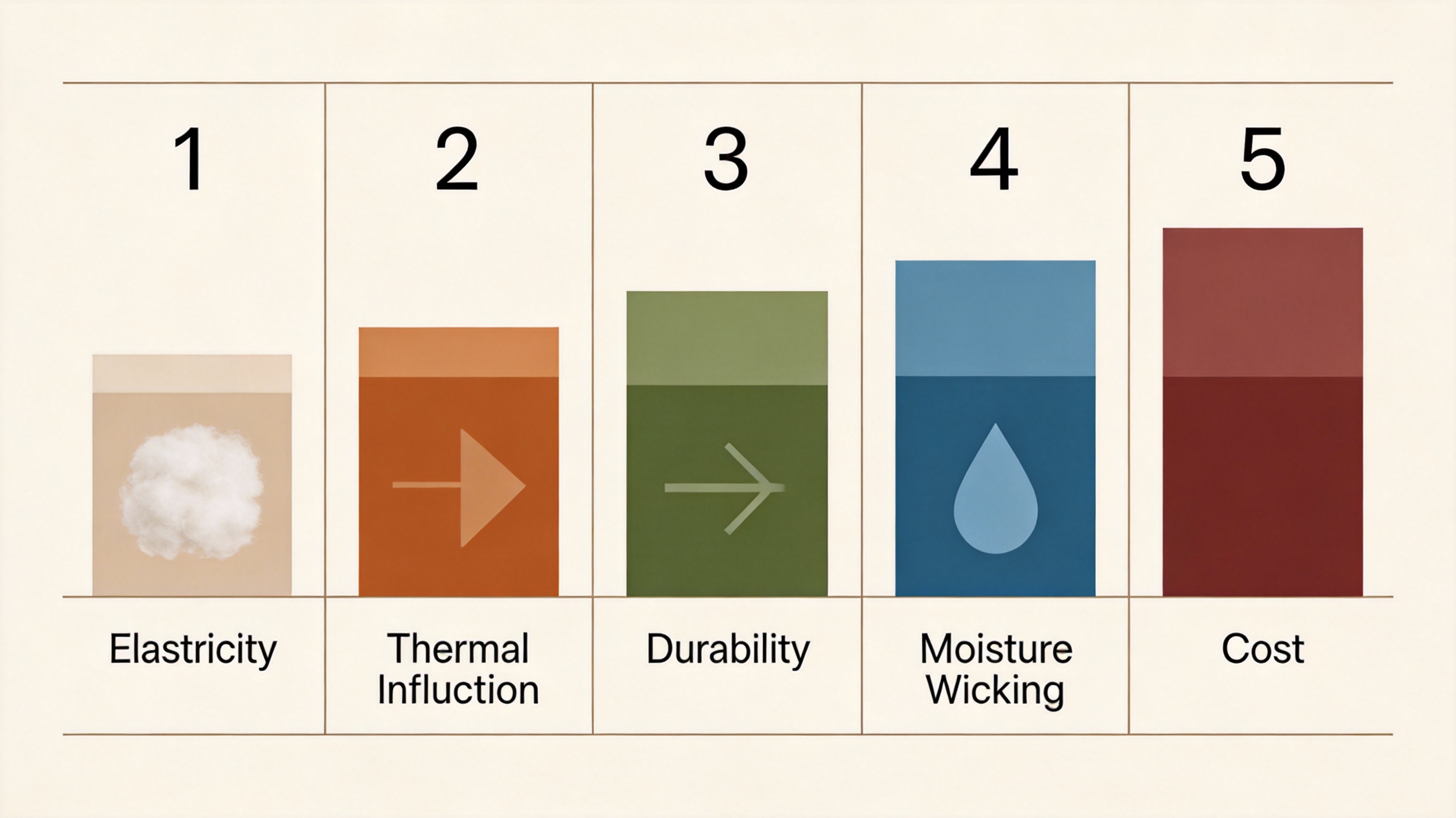
| Yarn Type | Elasticity (1-5) | Thermal Insulation (1-5) | Durability (1-5) | Moisture Wicking (1-5) | Cost (1-5) |
|---|---|---|---|---|---|
| White Slight Intermingled DTY | 4.5 | 4.8 | 4.7 | 4.9 | 3.2 |
| Regular DTY Yarn | 4.2 | 3.5 | 4.5 | 4.5 | 2.8 |
| Cotton Yarn | 2.0 | 2.5 | 3.0 | 1.5 | 2.5 |
| Nylon Yarn | 4.8 | 3.0 | 4.2 | 3.5 | 3.8 |
Note: Ratings are based on a scale of 1 (lowest) to 5 (highest). Cost is relative, with 1 being the cheapest and 5 the most expensive.
Conclusion
White Slight Intermingled DTY Yarn is a game-changer in the textile industry, offering a unique combination of elasticity, bulk, thermal insulation, and durability. Its advanced manufacturing process—including slight intermingling—sets it apart from regular DTY yarns, making it ideal for a wide range of applications from winter wear to activewear and home textiles.
The company behind this yarn has a competitive edge in its integrated supply chain, advanced R&D capabilities, and commitment to quality and sustainability. Its customer-centric approach ensures that it meets the specific needs of manufacturers around the world.
As the demand for high-performance, cost-effective textiles continues to grow, White Slight Intermingled DTY Yarn is poised to become one of the most popular yarn types in the global market. Its versatility, performance, and sustainability make it a top choice for manufacturers looking to create products that stand out from the competition.
References
1. Smith, J. (2022). Textile Yarn Technology: From Fiber to Fabric. New York: Academic Press.
2. Lee, S. (2021). DTY Yarn Manufacturing: Process Optimization and Quality Control. Seoul: Korean Textile Institute.
3. European Textile Federation (2023). Sustainable Textile Production Guidelines. Brussels: ETF Publications.
4. Wang, H. (2020). Polyester Yarn Applications in Winter Wear. Shanghai: China Textile Press.
5. OEKO-TEX International (2022). Standard 100 Certification Requirements for Textiles. Zurich: OEKO-TEX Association.
