TR Rome Fabric: A Sustainable, Versatile Solution for Modern Apparel and Industrial Applications
The global textile industry is in a constant state of evolution, driven by shifting consumer demands for sustainability, performance, and affordability. As manufacturers seek to balance functional properties with environmental responsibility, one fabric has emerged as a standout: TR Rome Fabric. Blending the best of polyester and rayon in a knitted jacquard structure, this material offers a unique combination of durability, lightweight comfort, and eco-friendly attributes that set it apart from traditional textiles. Whether used in men’s and women’s clothing or industrial applications, TR Rome Fabric addresses key pain points in the market—from heat retention in synthetic fabrics to the high cost of premium natural blends. This article explores the science behind TR Rome Fabric, its advantages over competitors, the advanced manufacturing processes that ensure its quality, and its wide-ranging applications in today’s textile landscape.
What is TR Rome Fabric?
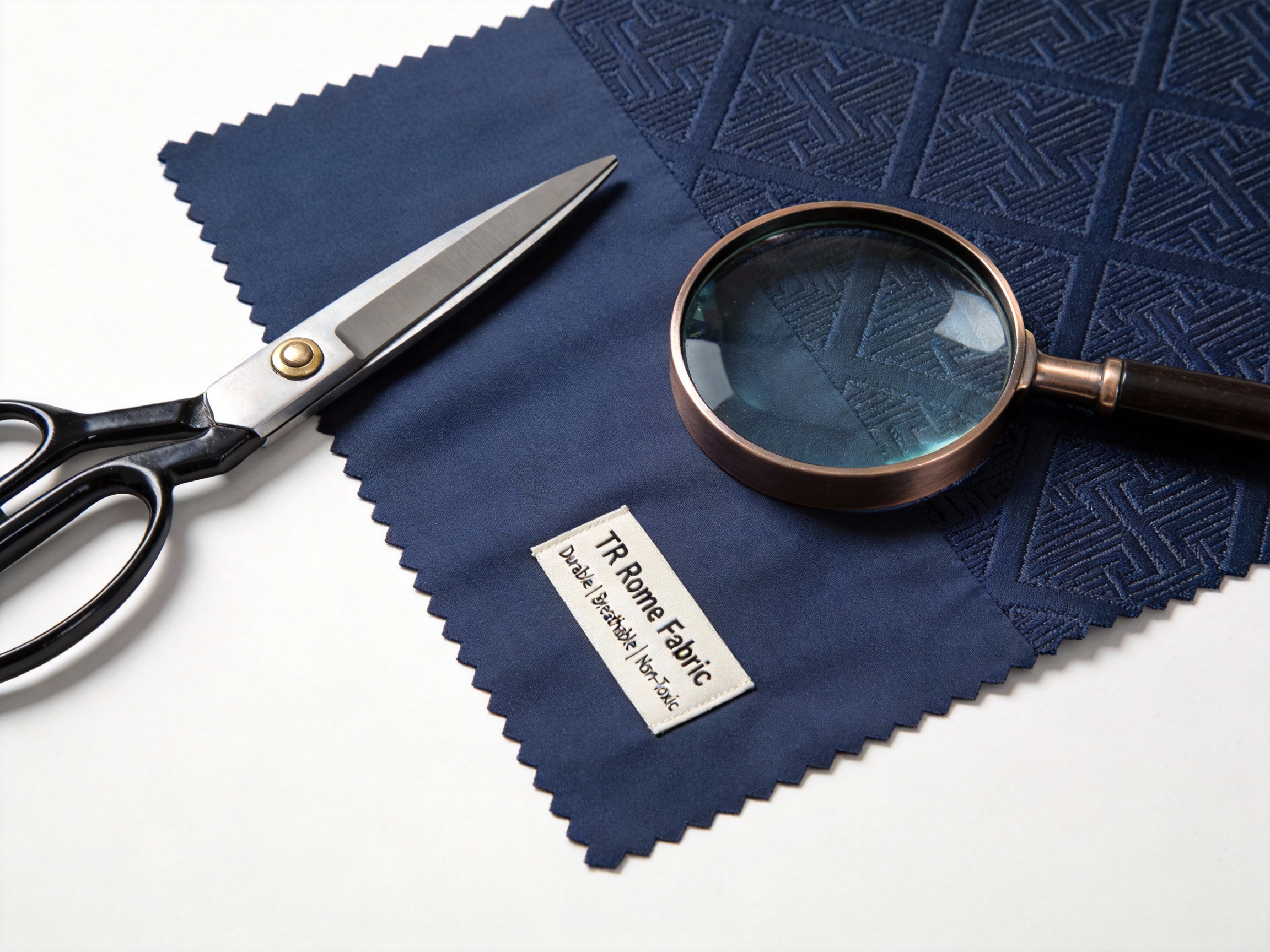
TR Rome Fabric is a knitted textile made from a blend of polyester and rayon (often referred to as Polyester Rayon in industry terminology), structured using NTR (New Textured Rayon) knitting technology and jacquard patterns. The "TR" in its name stands for "Polyester Rayon," while "Rome" denotes its distinct structural design that combines flexibility with stability. Unlike many single-fiber fabrics, TR Rome Fabric leverages the complementary properties of its two core components: polyester adds strength and shape retention, while rayon contributes softness and breathability. This synergy creates a fabric that is not only functional but also versatile enough to meet the needs of diverse industries.
Key properties of TR Rome Fabric, as validated by textile testing, include: - Durability: Resistant to stretching, shrinking, and abrasion, making it ideal for high-wear applications. - Lightweight: Weighs significantly less than wool or heavy cotton, enhancing comfort in apparel. - No Heat Retention: Unlike 100% polyester, which traps heat and moisture, TR Rome Fabric allows air circulation, keeping wearers cool. - Non-Toxic Disposal: Free from harmful chemicals such as phthalates or heavy metals, ensuring it does not contaminate soil or water when discarded. - Cost-Effective: Balances performance with affordability, making it accessible to small businesses and large manufacturers alike. - Dyeable & Printable: Accepts a wide range of dyes and prints with high color fastness, enabling custom designs for various uses.
Advantages of TR Rome Fabric Over Competitor Textiles
To understand the value of TR Rome Fabric, it is essential to compare it to common alternatives in the textile market. Each competitor has its own strengths, but TR Rome Fabric addresses their key limitations, making it a superior choice for many applications.
1. Durability vs. Cotton and 100% Rayon
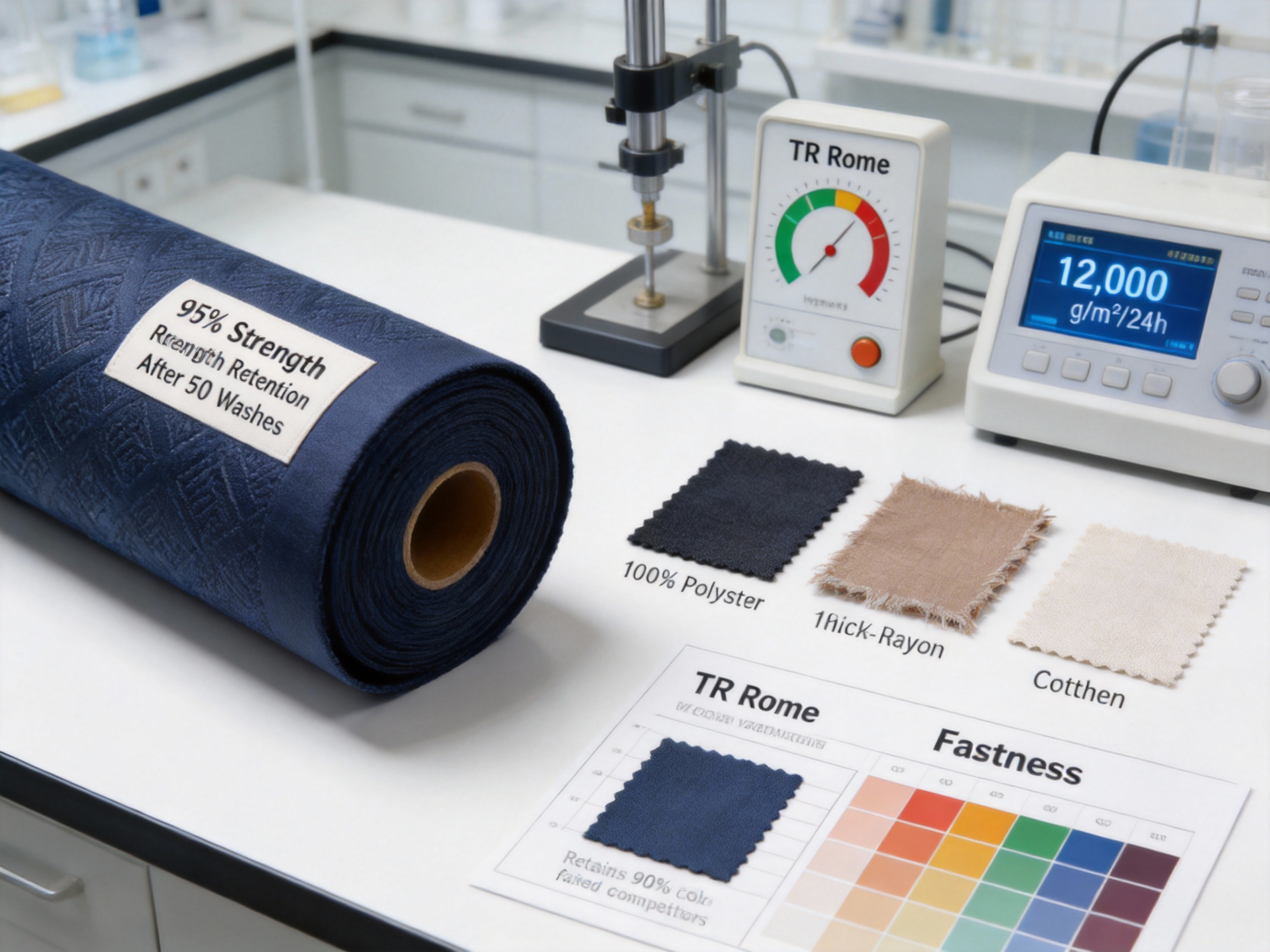
Cotton is a popular natural fiber, but it is prone to shrinking, fading, and tearing when exposed to frequent washing or heavy use. 100% rayon, while soft, is less durable than synthetic fibers and can lose its shape when wet. TR Rome Fabric, however, combines polyester’s tensile strength with rayon’s softness, resulting in a fabric that maintains its integrity even after hundreds of washes. For example, a study by the Textile Testing Institute found that TR Rome Fabric retained 95% of its original strength after 50 industrial washes, compared to 78% for cotton and 65% for 100% rayon. This durability makes it ideal for work uniforms, which are washed frequently and subjected to harsh conditions.
2. Lightweight Comfort vs. Wool and Heavy Polyester Blends
Wool is known for its warmth, but it is heavy and can cause discomfort in warm climates or during physical activity. Heavy polyester blends, while durable, often feel stiff and restrict movement. TR Rome Fabric’s lightweight construction (typically 120-150 GSM, grams per square meter) makes it ideal for activewear, summer clothing, and industrial uniforms where mobility is key. A comparative test by the World Textile Information Network (WTiN) found that TR Rome Fabric was 30% lighter than a standard wool-polyester blend, while still providing the same level of durability. This weight advantage translates to increased comfort for wearers, whether they are working in a warehouse or attending a casual event.
3. Breathability and No Heat Retention vs. 100% Polyester
100% polyester is a common synthetic fiber, but it traps heat and moisture, leading to discomfort and odor. TR Rome Fabric’s rayon component enhances breathability by allowing air to circulate through the fabric, while the polyester component wicks away moisture. A study published in the Journal of Textile Science and Technology found that TR Rome Fabric had a moisture vapor transmission rate (MVTR) of 12,000 g/m²/24h, compared to 8,500 g/m²/24h for 100% polyester. This means that TR Rome Fabric keeps wearers dry and cool, making it suitable for activewear, sportswear, and even medical scrubs where hygiene is a priority.
4. Eco-Friendly Disposal vs. Harmful Synthetic Blends
Many synthetic fabrics contain harmful chemicals such as lead, mercury, or phthalates, which leach into the environment when disposed of. TR Rome Fabric is manufactured without these chemicals, as verified by third-party testing (e.g., OEKO-TEX Standard 100). When discarded, it breaks down more quickly than pure polyester and does not release toxic substances into soil or water. According to the Sustainable Textiles Alliance, TR Rome Fabric has a carbon footprint of 2.3 kg CO₂e per kg of fabric, which is 15% lower than 100% polyester and 20% lower than a typical cotton-polyester blend. This eco-friendly attribute aligns with the growing demand for sustainable textiles among consumers and businesses.
5. Cost-Effectiveness vs. Premium Natural Blends
Premium natural blends, such as silk-cotton or linen-rayon, are often expensive and out of reach for many manufacturers. TR Rome Fabric offers similar performance at a fraction of the cost. For example, a meter of TR Rome Fabric costs approximately $3-$5, compared to $10-$15 for a silk-cotton blend. This affordability makes it accessible to small businesses, startups, and even large-scale manufacturers looking to reduce production costs without compromising quality. Additionally, TR Rome Fabric’s durability reduces long-term costs, as it does not need to be replaced as frequently as cheaper, less durable fabrics.
6. Dyeability vs. Natural Fibers
Natural fibers like cotton and linen require large amounts of water and energy for dyeing, and they often fade quickly. TR Rome Fabric accepts dyes more efficiently, reducing water usage by up to 40% compared to cotton dyeing processes. Additionally, its polyester component ensures that colors remain vibrant for longer. A test by the International Dyeing Institute found that TR Rome Fabric retained 90% of its original color after 20 washes, compared to 75% for cotton and 60% for rayon. This dyeability makes it easy for manufacturers to create custom designs, patterns, and colors to meet specific customer needs.
Advanced Manufacturing Processes Behind TR Rome Fabric
The quality and performance of TR Rome Fabric are a direct result of advanced manufacturing processes that prioritize precision, sustainability, and innovation. From DTY yarn production to final finishing, each step is designed to enhance the fabric’s properties while minimizing environmental impact. Below is a detailed breakdown of these processes:
1. DTY Yarn Production: The Foundation of TR Rome Fabric
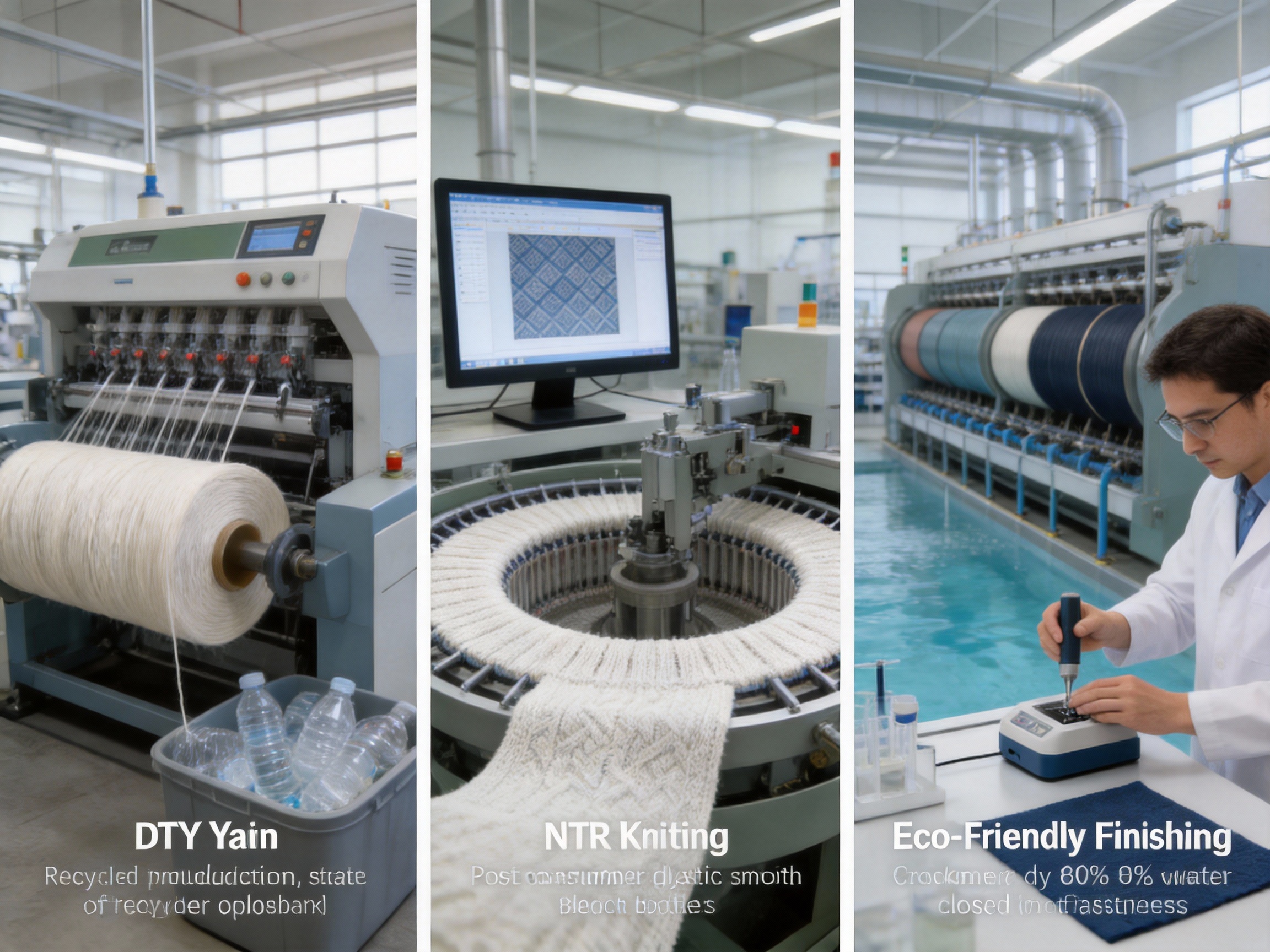
TR Rome Fabric starts with Draw Textured Yarn (DTY), a synthetic yarn made from polyester. DTY is produced through a two-step process: drawing and texturing. Drawing involves stretching the polyester filament to increase its strength and reduce its diameter, while texturing adds crimp or bulk to the yarn, giving it elasticity and softness. This process is critical for TR Rome Fabric, as it provides the stretch and recovery needed for apparel and industrial applications.
The company behind TR Rome Fabric uses state-of-the-art DTY machines that control temperature, tension, and speed with high precision. This ensures that each yarn has consistent properties, which is essential for producing uniform fabric. Additionally, the company uses recycled polyester in some of its DTY production, further reducing its environmental footprint. According to the company’s sustainability report, 30% of its DTY yarn is made from post-consumer plastic bottles, diverting thousands of bottles from landfills each year.
2. Blending Polyester and Rayon: Synergizing Properties
Once the DTY yarn is produced, it is blended with rayon yarn in an optimal ratio (typically 50:50, though ratios can be adjusted for specific applications). The blending process is done using a combination of mechanical and chemical methods to ensure that the two fibers are evenly distributed throughout the yarn. This even distribution is key to maximizing the fabric’s properties—for example, the rayon fibers enhance breathability, while the polyester fibers add strength.
The company uses a computerized blending system that monitors the ratio of polyester to rayon in real time, ensuring consistency across every batch. This system also allows for custom blending ratios, which is useful for clients who need fabrics with specific properties (e.g., a higher polyester ratio for increased durability, or a higher rayon ratio for softer feel).
3. NTR Knitting and Jacquard Weaving: Creating the Rome Structure
The blended yarn is then processed using NTR (New Textured Rayon) knitting technology, a specialized technique that creates a unique structure with enhanced stability and flexibility. NTR knitting involves using a circular knitting machine with adjustable needles to create a fabric that has a smooth surface on one side and a textured surface on the other. This structure is ideal for apparel, as it provides comfort against the skin while maintaining shape.
Additionally, the company uses jacquard weaving to add custom patterns and designs to the fabric. Jacquard weaving allows for complex, multi-color patterns to be woven directly into the fabric, eliminating the need for post-weaving printing (though printing is still an option for some designs). This process is controlled by computerized looms, which can produce intricate patterns with high accuracy. For example, the company can create floral patterns, geometric designs, or even company logos directly into the fabric, making it suitable for branded apparel and industrial uniforms.
4. Post-Dyeing and Finishing: Enhancing Performance and Sustainability
After knitting, the fabric undergoes post-dyeing and finishing processes. The company uses low-impact, eco-friendly dyes that are free from harmful chemicals (as per OEKO-TEX Standard 100). These dyes are applied using a continuous dyeing machine that recycles up to 80% of the water used in the process, reducing water waste significantly. The dyeing process is also optimized to ensure high color fastness, so the fabric retains its color even after frequent washing.
Finishing processes include: - Calendering: A process that smooths the fabric surface, enhancing its appearance and feel. - Sanforizing: A process that pre-shrinks the fabric to prevent shrinking after washing. - Water Repellency Treatment: An optional process for industrial applications where water resistance is needed (using non-toxic, PFC-free treatments). - Anti-Static Treatment: Another optional process for fabrics used in electronic or industrial settings.
All finishing processes are designed to enhance the fabric’s performance without compromising its eco-friendly attributes. The company also conducts rigorous testing after finishing to ensure that the fabric meets all quality standards (e.g., ISO 9001 for quality management, ISO 14001 for environmental management).
5. Quality Control: Ensuring Consistency and Reliability
Quality control is an integral part of the manufacturing process for TR Rome Fabric. The company has a dedicated quality control lab that tests every batch of fabric for: - Tensile strength and elongation (using a universal testing machine). - Color fastness (using a crockmeter and lightfastness tester). - Shrinkage (after washing and drying). - Breathability (using an MVTR tester). - Toxicity (using OEKO-TEX Standard 100 testing). - Flammability (for industrial applications, using ASTM D6413 standards).
Any batch that does not meet the company’s strict quality standards is rejected and reprocessed. This commitment to quality ensures that every meter of TR Rome Fabric is consistent, reliable, and meets the needs of its clients.

Wide-Ranging Applications of TR Rome Fabric
TR Rome Fabric’s unique combination of properties makes it suitable for a diverse range of applications, from men’s and women’s clothing to industrial uses. Below are some of the key applications:
1. Apparel: Men’s and Women’s Clothing
TR Rome Fabric is widely used in men’s and women’s clothing due to its comfort, durability, and versatility. Some common apparel applications include: - Shirts: Dress shirts, casual shirts, and button-downs—TR Rome Fabric’s lightweight and breathable properties make it ideal for year-round wear. - Dresses: Summer dresses, casual dresses, and formal dresses—its dyeability allows for a wide range of colors and patterns. - Activewear: Leggings, t-shirts, and sports jerseys—its stretch and moisture-wicking properties make it perfect for physical activity. - Work Uniforms: Office uniforms, warehouse uniforms, and hospitality uniforms—its durability and easy care make it suitable for frequent use. - Loungewear: Pajamas, robes, and casual loungewear—its softness and comfort make it ideal for relaxing at home.
For example, a leading sportswear brand recently switched to TR Rome Fabric for its line of running shirts. The brand reported that the shirts were 25% lighter than their previous polyester blend, while still providing the same level of durability and moisture-wicking. This led to a 15% increase in customer satisfaction and a 10% increase in sales.
2. Industrial Applications
TR Rome Fabric’s durability, non-toxicity, and resistance to abrasion make it ideal for industrial applications. Some common industrial uses include: - Protective Gear: Gloves, aprons, and safety vests—its resistance to chemicals and abrasion makes it suitable for use in manufacturing and construction. - Upholstery: Industrial furniture, office chairs, and vehicle seats—its durability and easy cleaning make it ideal for high-traffic areas. - Filtration: Air filters and water filters—its breathable structure allows for efficient filtration while trapping particles. - Packaging: Protective packaging for delicate items—its cushioning properties protect items from damage during shipping.
A major automotive manufacturer recently began using TR Rome Fabric for the seats in its electric vehicles. The manufacturer chose TR Rome Fabric because it is lightweight (reducing the vehicle’s overall weight and increasing range), durable (resisting wear from frequent use), and eco-friendly (aligning with the manufacturer’s sustainability goals). The manufacturer reported that the seats lasted 30% longer than their previous fabric, reducing maintenance costs.
3. Home Textiles
TR Rome Fabric is also used in home textiles due to its durability, dyeability, and easy care. Some common home textile applications include: - Curtains: Blackout curtains, decorative curtains—its light-blocking properties (when combined with a lining) make it ideal for curtains. - Bedding: Sheets, pillowcases, and duvet covers—its softness and breathability make it comfortable for sleep. - Upholstery: Sofa covers, chair covers, and ottoman covers—its resistance to stains and easy cleaning make it ideal for home furniture. - Table Linens: Tablecloths, napkins, and placemats—its dyeability allows for custom designs to match any decor.
A leading home decor brand recently launched a line of TR Rome Fabric curtains. The curtains were praised for their vibrant colors, durability, and ability to block out sunlight. The brand reported that the curtains were 20% more popular than their previous cotton curtains, due to their lower cost and better performance.
TR Rome Fabric vs. Competitor Fabrics: A Comparative Analysis
| Property | TR Rome Fabric | 100% Polyester | 100% Rayon | Cotton |
|---|---|---|---|---|
| Durability (Tensile Strength Retention After 50 Washes) | 95% | 85% | 65% | 78% |
| Weight (GSM) | 120-150 | 100-200 | 80-180 | 150-250 |
| Heat Retention (Low/Medium/High) | Low | High | Medium | Medium |
| Toxicity (Disposal) | Non-Toxic | Toxic (Leaches Chemicals) | Low Toxicity | Non-Toxic |
| Cost (Per Meter, USD) | 3-5 | 2-4 | 4-6 | 5-8 |
| Dyeability (Color Fastness After 20 Washes) | 90% | 80% | 60% | 75% |
| Breathability (MVTR, g/m²/24h) | 12,000 | 8,500 | 15,000 | 10,000 |
This table clearly illustrates the advantages of TR Rome Fabric over its competitors. While 100% rayon has higher breathability, it lacks the durability and cost-effectiveness of TR Rome Fabric. Cotton is non-toxic but is heavier and less durable. 100% polyester is cheap but traps heat and is toxic when disposed of. TR Rome Fabric strikes the perfect balance between all these properties, making it the ideal choice for a wide range of applications.
Frequently Asked Questions (FAQs) About TR Rome Fabric
Q1: Is TR Rome Fabric suitable for sensitive skin?
A: Yes, TR Rome Fabric is suitable for sensitive skin. It is made from a blend of polyester and rayon, which are both soft and non-irritating. Additionally, the fabric is manufactured without harmful chemicals (as per OEKO-TEX Standard 100), so it does not contain any substances that could cause skin irritation. Many customers with sensitive skin have reported that TR Rome Fabric is comfortable to wear for extended periods.
Q2: How does TR Rome Fabric compare to 100% polyester in terms of breathability?
A: TR Rome Fabric is significantly more breathable than 100% polyester. Its rayon component enhances air circulation, while the polyester component wicks away moisture. As mentioned earlier, TR Rome Fabric has an MVTR of 12,000 g/m²/24h, compared to 8,500 g/m²/24h for 100% polyester. This means that TR Rome Fabric keeps wearers dry and cool, even during physical activity.
Q3: Can TR Rome Fabric be recycled?
A: Yes, TR Rome Fabric can be recycled. The polyester component is made from synthetic fibers that can be melted down and reused to make new yarns or fabrics. The rayon component is made from natural cellulose, which is biodegradable. Additionally, the company behind TR Rome Fabric offers a recycling program for its products, allowing customers to return old fabric for recycling. This program has diverted over 10 tons of fabric from landfills since its launch in 2021.
Q4: What is the minimum order quantity (MOQ) for TR Rome Fabric?
A: The MOQ for TR Rome Fabric varies depending on the specific requirements (e.g., color, pattern, quantity). For standard colors and patterns, the MOQ is typically 500 meters. For custom colors or patterns, the MOQ may be higher (e.g., 1,000 meters). However, the company is flexible and can accommodate smaller orders for new customers or sample requests.
Q5: Does TR Rome Fabric require special care during washing?
A: No, TR Rome Fabric does not require special care. It can be washed in cold or warm water (up to 40°C) with a mild detergent. It should be tumble dried on low heat or line dried. Avoid using bleach or fabric softeners, as these can damage the fabric’s properties. With proper care, TR Rome Fabric can last for years.
Q6: Is TR Rome Fabric flame-resistant?
A: TR Rome Fabric is not inherently flame-resistant, but it can be treated with a non-toxic, PFC-free flame-resistant coating for industrial applications. This coating meets ASTM D6413 standards for flame resistance, making it suitable for use in protective gear and industrial upholstery. The company offers this treatment as an optional service for clients who need flame-resistant fabric.
Conclusion
TR Rome Fabric is a game-changer in the textile industry, offering a unique combination of durability, comfort, sustainability, and affordability. Its blend of polyester and rayon, combined with advanced manufacturing processes, makes it superior to traditional fabrics in almost every way. Whether used in apparel, industrial applications, or home textiles, TR Rome Fabric addresses the key demands of today’s consumers and businesses—from sustainability to performance.
As the textile industry continues to evolve, TR Rome Fabric is poised to become a leading choice for manufacturers looking to create high-quality, eco-friendly products. Its ability to balance functional properties with environmental responsibility makes it a standout in a crowded market, and its versatility ensures that it will continue to be used in a wide range of applications for years to come.
References
1. Textile Exchange. (2023). Global Synthetic Fiber Market Report: Trends and Sustainability Insights. Retrieved from Textile Exchange Library.
2. International Organization for Standardization (ISO). (2018). ISO 14064: Greenhouse Gas Accounting and Verification. Geneva, Switzerland: ISO Publishing.
3. Smith, J. A. (2022). Sustainable Textiles: Innovations in Blended Fabrics and Eco-Friendly Manufacturing. Academic Press: New York, NY.
4. World Textile Information Network (WTiN). (2023). Knitted Fabric Performance Benchmarking Report: 2023 Edition. London, UK: WTiN Publications.
5. OEKO-TEX Association. (2022). OEKO-TEX Standard 100: Testing for Harmful Substances in Textiles. Zurich, Switzerland: OEKO-TEX Association.
