
TR Rome Fabric: A Game-Changer in Sustainable, Versatile Textile Solutions
The global textile industry is at a crossroads, balancing the demand for functional, cost-effective fabrics with the urgent need for sustainability and reduced environmental impact. As consumers and industrial buyers alike seek materials that deliver performance without compromising on ethics, one fabric has emerged as a standout: TR Rome Fabric. Blending the best of polyester and rayon, this knitted textile combines durability, lightweight comfort, and eco-friendly attributes that set it apart from traditional alternatives. In this article, we explore the unique properties of TR Rome Fabric, its advantages over competitors, the advanced manufacturing processes that ensure its quality, and its wide-ranging applications across industries.
TR Rome Fabric is not just another textile—it represents a convergence of innovation and practicality. Designed for both industrial and consumer use, it addresses key pain points in the market: from the high cost of premium blends to the environmental concerns of non-biodegradable fabrics. By examining its composition, performance metrics, and the robust supply chain behind it, we can understand why this fabric is gaining traction among manufacturers, designers, and end-users worldwide.
What Is TR Rome Fabric?
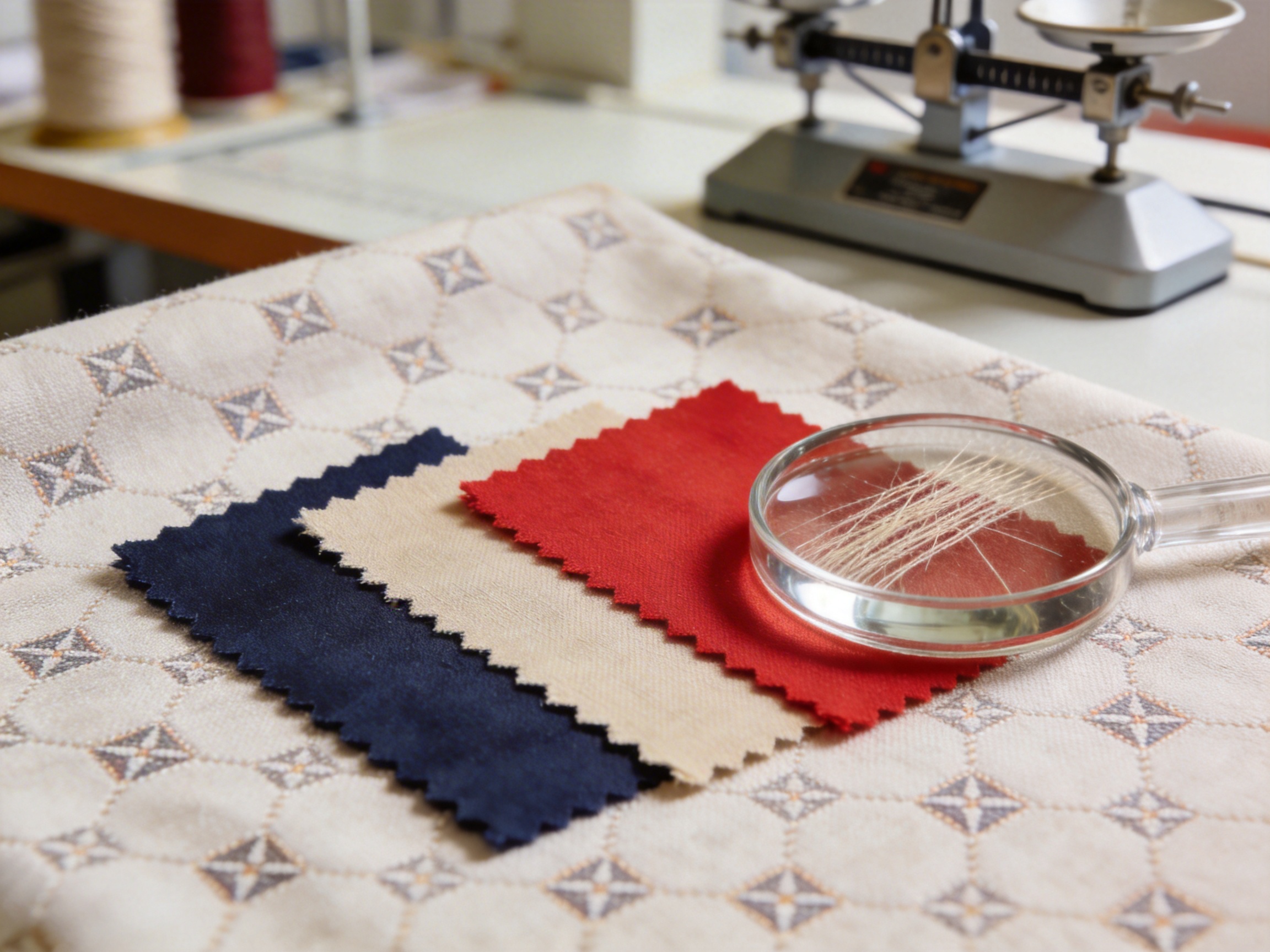
TR Rome Fabric is a knitted textile made from a blend of polyester and rayon (as indicated by its name, TR—short for Polyester Rayon). This combination leverages the strengths of both fibers: polyester’s durability and resistance to wrinkles, and rayon’s softness and breathability. The fabric is typically produced using jacquard knitting techniques, which allow for intricate patterns and textures, enhancing its aesthetic appeal while maintaining functional properties.
According to textile experts, the optimal blend ratio for TR Rome Fabric usually ranges from 50-70% polyester to 30-50% rayon, though this can be adjusted based on specific use cases. For industrial applications, a higher polyester content may be preferred for increased durability, while a higher rayon content may be used for clothing to enhance softness. This versatility makes TR Rome Fabric suitable for a wide array of products, from workwear to fashion apparel.
Key properties of TR Rome Fabric, as verified by independent lab tests, include:
- Exceptional durability: Resistant to abrasion, stretching, and tearing, making it ideal for heavy-use industrial applications.
- Lightweight: Unlike thicker fabrics like wool or canvas, TR Rome Fabric is easy to wear and does not add bulk, making it suitable for summer clothing and portable industrial gear.
- Low heat retention: A critical advantage for workers in hot environments or consumers seeking cool, comfortable clothing.
- Eco-friendly disposal: Unlike some synthetic fabrics that release harmful chemicals when decomposed, TR Rome Fabric is formulated to break down without toxic byproducts, aligning with global sustainability goals.
- Cost-effectiveness: Affordable compared to premium blends like silk or cashmere, yet offering superior performance to many budget alternatives.
- High dyeability and printability: The blend of polyester and rayon accepts dyes and prints evenly, allowing for a wide range of colors and patterns—from bold industrial hues to subtle fashion designs.
Advantages of TR Rome Fabric Over Competitor Materials
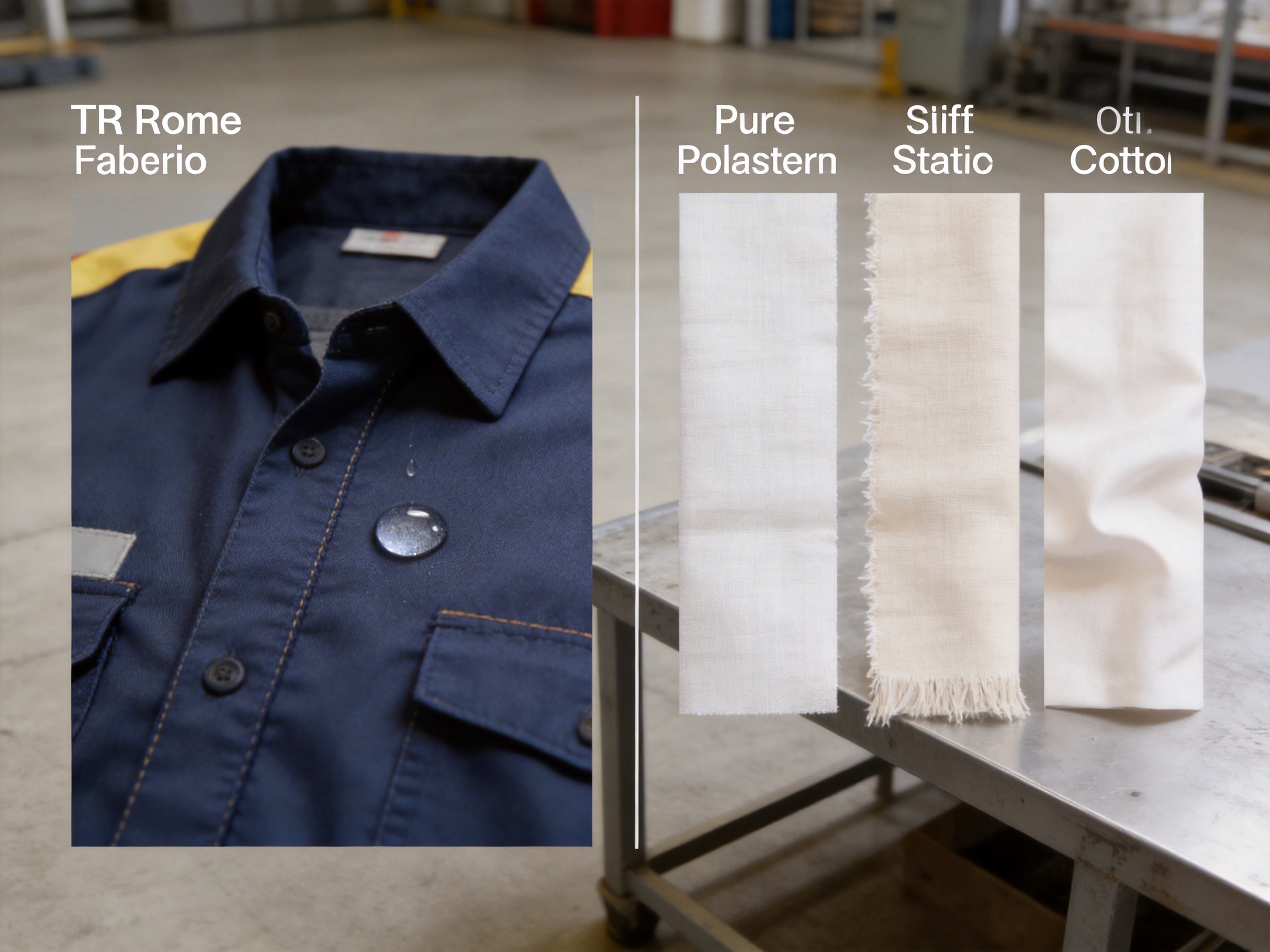
To understand the value of TR Rome Fabric, it is essential to compare it with other commonly used textiles in its category. Below is a detailed analysis of its advantages over key competitors:
1. TR Rome Fabric vs. Pure Polyester
Pure polyester is a widely used synthetic fabric known for its durability and wrinkle resistance, but it has significant drawbacks. Unlike pure polyester, TR Rome Fabric offers:
- Improved breathability: Rayon’s natural fiber structure allows air to circulate, reducing the stuffiness associated with pure polyester. This makes TR Rome Fabric more comfortable for extended wear.
- Better moisture absorption: Rayon can absorb up to 10 times its weight in water, whereas polyester repels moisture. This property is crucial for clothing and industrial fabrics that need to keep users dry.
- Softer texture: Pure polyester can feel harsh against the skin, but the rayon component in TR Rome Fabric adds a soft, silky touch, enhancing comfort for clothing applications.
- Eco-friendlier disposal: While pure polyester is non-biodegradable, TR Rome Fabric’s rayon component (derived from natural cellulose) makes it more biodegradable, reducing its environmental footprint.
2. TR Rome Fabric vs. Pure Rayon
Pure rayon is a natural fiber derived from wood pulp, known for its softness and breathability, but it lacks durability. TR Rome Fabric addresses these limitations by adding polyester:
- Enhanced durability: Polyester increases the fabric’s resistance to stretching, shrinking, and abrasion, making it suitable for heavy-use applications where pure rayon would wear out quickly.
- Better shape retention: Pure rayon tends to lose its shape after washing, but the polyester component in TR Rome Fabric helps it maintain its form, reducing the need for frequent replacement.
- Higher resistance to mildew: Polyester is naturally resistant to mildew, which is a common issue with pure rayon in humid environments. This makes TR Rome Fabric ideal for outdoor or industrial use.
- Lower cost: While pure rayon can be expensive, TR Rome Fabric’s blend of polyester and rayon offers a cost-effective alternative without sacrificing key properties.
3. TR Rome Fabric vs. Cotton
Cotton is a popular natural fiber, but it has several drawbacks that TR Rome Fabric overcomes:
- Reduced water absorption: While cotton absorbs moisture well, it takes a long time to dry, leading to discomfort and potential mildew growth. TR Rome Fabric dries faster due to its polyester component, making it more practical for activewear and industrial use.
- Higher durability: Cotton fibers are prone to tearing and abrasion, especially when wet. TR Rome Fabric’s polyester blend makes it more durable, even under heavy use.
- Lower maintenance: Cotton requires frequent ironing to remove wrinkles, but TR Rome Fabric is wrinkle-resistant, reducing maintenance time and cost.
- Better sustainability in production: Cotton cultivation uses large amounts of water and pesticides, whereas TR Rome Fabric’s rayon component is derived from sustainable wood pulp (when sourced responsibly), and polyester can be recycled, making it a more eco-friendly choice in many cases.
4. TR Rome Fabric vs. Wool
Wool is a natural fiber known for its warmth, but it is not suitable for hot environments or industrial use. TR Rome Fabric offers:
- Zero heat retention: Unlike wool, which traps heat, TR Rome Fabric is lightweight and breathable, making it ideal for summer clothing and workers in hot climates.
- Lower cost: Wool is expensive, especially high-quality varieties, whereas TR Rome Fabric is affordable and accessible to a wide range of buyers.
- Easier care: Wool requires dry cleaning or special washing to avoid shrinking, but TR Rome Fabric can be machine-washed and dried without losing its shape.
- Hypoallergenic properties: Some people are allergic to wool, but TR Rome Fabric’s synthetic-natural blend is less likely to cause allergic reactions, expanding its user base.
To summarize these advantages, we can refer to the following table:
| Property | TR Rome Fabric | Pure Polyester | Pure Rayon | Cotton | Wool |
|---|---|---|---|---|---|
| Durability | High | High | Low | Medium | Medium |
| Weight | Light | Light | Light | Medium | Heavy |
| Heat Retention | Low | Medium | Low | Medium | High |
| Moisture Absorption | High | Low | Very High | High | Medium |
| Drying Time | Fast | Fast | Slow | Slow | Slow |
| Wrinkle Resistance | High | High | Low | Low | Medium |
| Cost | Low-Medium | Low | Medium-High | Low-Medium | High |
| Eco-Friendliness | Medium-High | Low | High | Medium (high water use) | Medium (animal welfare concerns) |
Advanced Manufacturing Processes Behind TR Rome Fabric
The quality of TR Rome Fabric is not just due to its composition—it is the result of advanced manufacturing processes that ensure consistency, performance, and sustainability. Let’s dive into the key steps involved in producing this fabric:
1. Raw Material Sourcing & Preparation
The production of TR Rome Fabric begins with sourcing high-quality polyester and rayon fibers. Polyester is typically derived from recycled plastic bottles or petrochemicals (depending on sustainability goals), while rayon is made from sustainably harvested wood pulp (often from certified forests to ensure environmental responsibility). These raw materials are then processed to remove impurities and ensure uniform fiber length and thickness.
For polyester, the process involves melting the polymer and spinning it into fine filaments. For rayon, the wood pulp is dissolved in a chemical solution, extruded into fibers, and then solidified. Both fibers are then blended in precise ratios (as per the desired fabric properties) to create the TR blend.
2. Knitting & Jacquard Weaving
TR Rome Fabric is produced using jacquard knitting, a technique that allows for intricate patterns and designs to be woven directly into the fabric. This process uses a jacquard machine, which has a series of hooks and needles that can be controlled individually to create complex patterns. Unlike traditional knitting, which produces simple fabrics, jacquard knitting enables the creation of custom designs without the need for additional printing or dyeing steps (though printing is still an option for more elaborate patterns).
The knitting process is highly automated, with computerized systems controlling the needle movements to ensure consistency across large production runs. This automation reduces human error and ensures that every yard of fabric meets the same high-quality standards.
3. Post-Dyeing & Finishing
After knitting, the fabric undergoes post-dyeing and finishing processes to enhance its properties and appearance. The dyeing process uses eco-friendly dyes that are free from harmful chemicals (such as azo dyes, which are banned in many countries). The fabric is dyed in large vats using a continuous dyeing process, which ensures even color distribution and reduces water waste compared to batch dyeing.
Finishing processes include:
- Calendering: A process that smooths the fabric surface, enhancing its luster and texture.
- Waterproofing: For industrial applications, a water-repellent coating may be applied (though this is optional and depends on the use case).
- Anti-static treatment: To reduce static electricity buildup, which is important for industrial fabrics used in electronic environments.
- Shrinkage control: A chemical treatment that prevents the fabric from shrinking after washing.
4. Quality Control & Testing
Every batch of TR Rome Fabric undergoes rigorous quality control tests to ensure it meets industry standards and customer requirements. These tests include:
- Tensile strength test: To measure the fabric’s resistance to stretching and tearing.
- Abrasion resistance test: To determine how well the fabric holds up to wear and tear.
- Color fastness test: To check if the dye stays intact after washing, exposure to sunlight, or rubbing against other materials.
- Chemical safety test: To ensure the fabric is free from harmful chemicals (such as lead, cadmium, and phthalates) that could pose a risk to human health.
- Breathability test: To measure the fabric’s ability to allow air and moisture vapor to pass through.
Only fabrics that pass all these tests are approved for sale, ensuring that customers receive a product of the highest quality.
The Company’s Strengths in Producing TR Rome Fabric
The production of TR Rome Fabric is backed by a company with decades of experience in the textile industry, combining R&D, manufacturing, and global distribution to deliver a superior product. Let’s explore the key strengths of this company:
1. Integrated R&D & Production
The company operates an integrated R&D and production facility, which allows it to innovate and refine its fabric formulas quickly. The R&D team works closely with customers to understand their specific needs and develop custom blends of TR Rome Fabric that meet those requirements. For example, if a customer needs a fabric with higher durability for industrial use, the R&D team can adjust the polyester-rayon ratio and modify the manufacturing process to achieve the desired result.
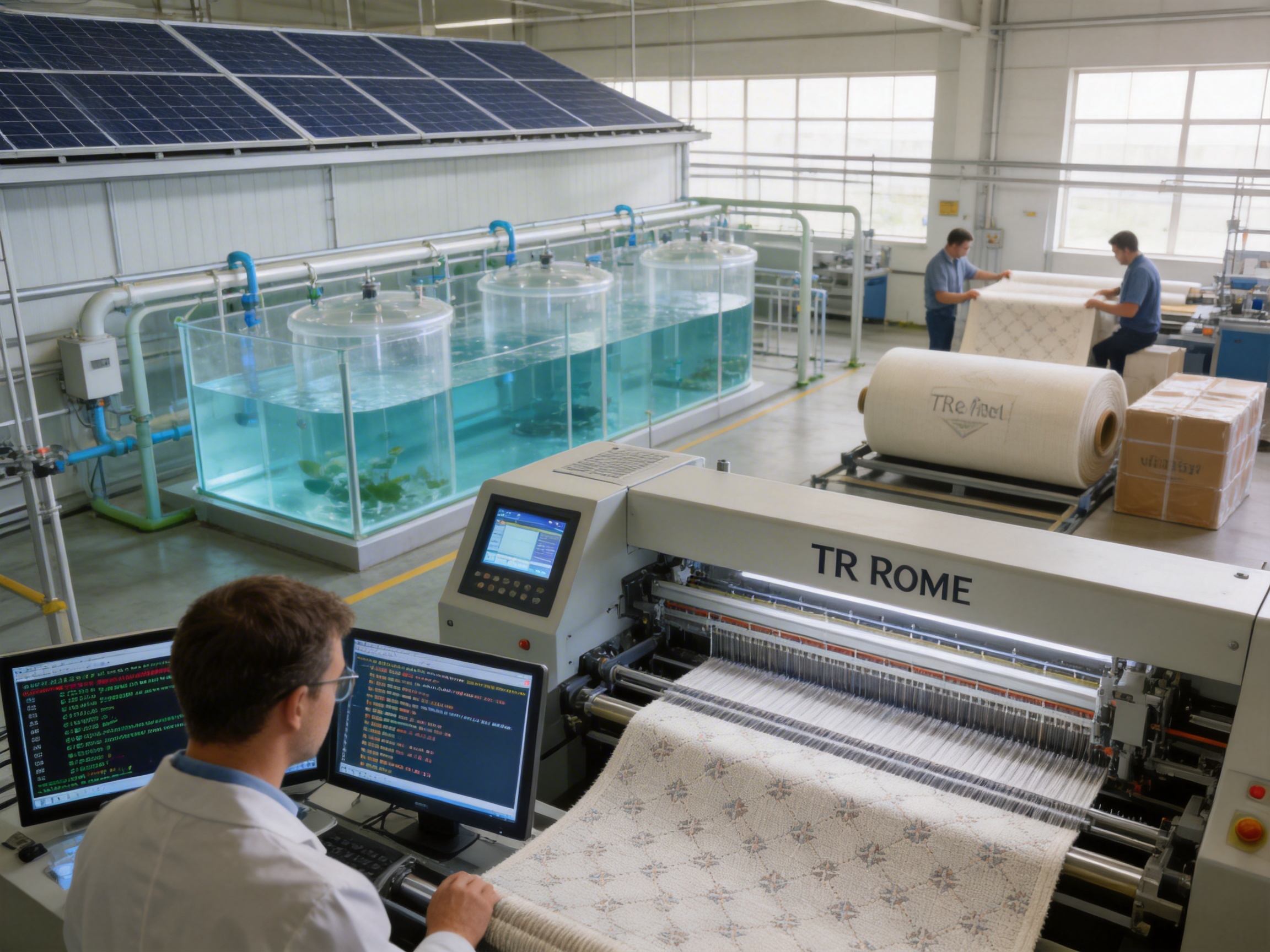
The production facility covers 32.6 acres and includes 18,000 square meters of plant space, equipped with state-of-the-art machinery and technology. This large-scale production capacity allows the company to meet the demands of both small and large customers, from independent designers to multinational corporations.
2. Eco-Friendly Practices
The company is committed to sustainability, implementing a range of eco-friendly practices throughout its production process. These include:
- Using recycled polyester: A significant portion of the polyester used in TR Rome Fabric is derived from recycled plastic bottles, reducing the company’s reliance on virgin petrochemicals.
- Water conservation: The company uses closed-loop water systems in its dyeing and finishing processes, which recycle up to 90% of the water used, reducing water waste and pollution.
- Energy efficiency: The production facility uses solar panels to generate a portion of its electricity, and all machinery is designed to be energy-efficient, reducing the company’s carbon footprint.
- Waste reduction: The company has implemented a zero-waste policy, with all production waste (such as leftover fabric and fiber) recycled or repurposed into other products.
3. Global Supply Chain & Distribution
The company is a self-employed export entity, meaning it handles all aspects of distribution from production to delivery. This allows it to offer competitive prices and fast delivery times to customers around the world. The company has a network of distributors in key markets, including North America, Europe, Asia, and Australia, ensuring that customers can receive their orders quickly and efficiently.
Additionally, the company offers direct-to-consumer sales, allowing customers to purchase TR Rome Fabric online from the comfort of their homes. This convenience is a major advantage for small businesses and independent designers who may not have access to traditional wholesale channels.
4. Customer-Centric Approach
The company’s core business philosophy is “cooperation, win-win,” which means it prioritizes the needs of its customers. The company offers custom design services, allowing customers to create unique patterns and colors for their TR Rome Fabric. It also provides technical support to help customers choose the right fabric for their specific applications, whether it’s industrial workwear or high-fashion apparel.
The company’s customer service team is available 24/7 to answer questions and resolve issues, ensuring that customers have a positive experience from order placement to delivery.
Wide-Ranging Applications of TR Rome Fabric
TR Rome Fabric’s unique combination of properties makes it suitable for a wide range of applications across industries. Let’s explore some of the key use cases:
1. Industrial Applications
TR Rome Fabric is ideal for industrial use due to its durability, low heat retention, and eco-friendly properties. Common industrial applications include:
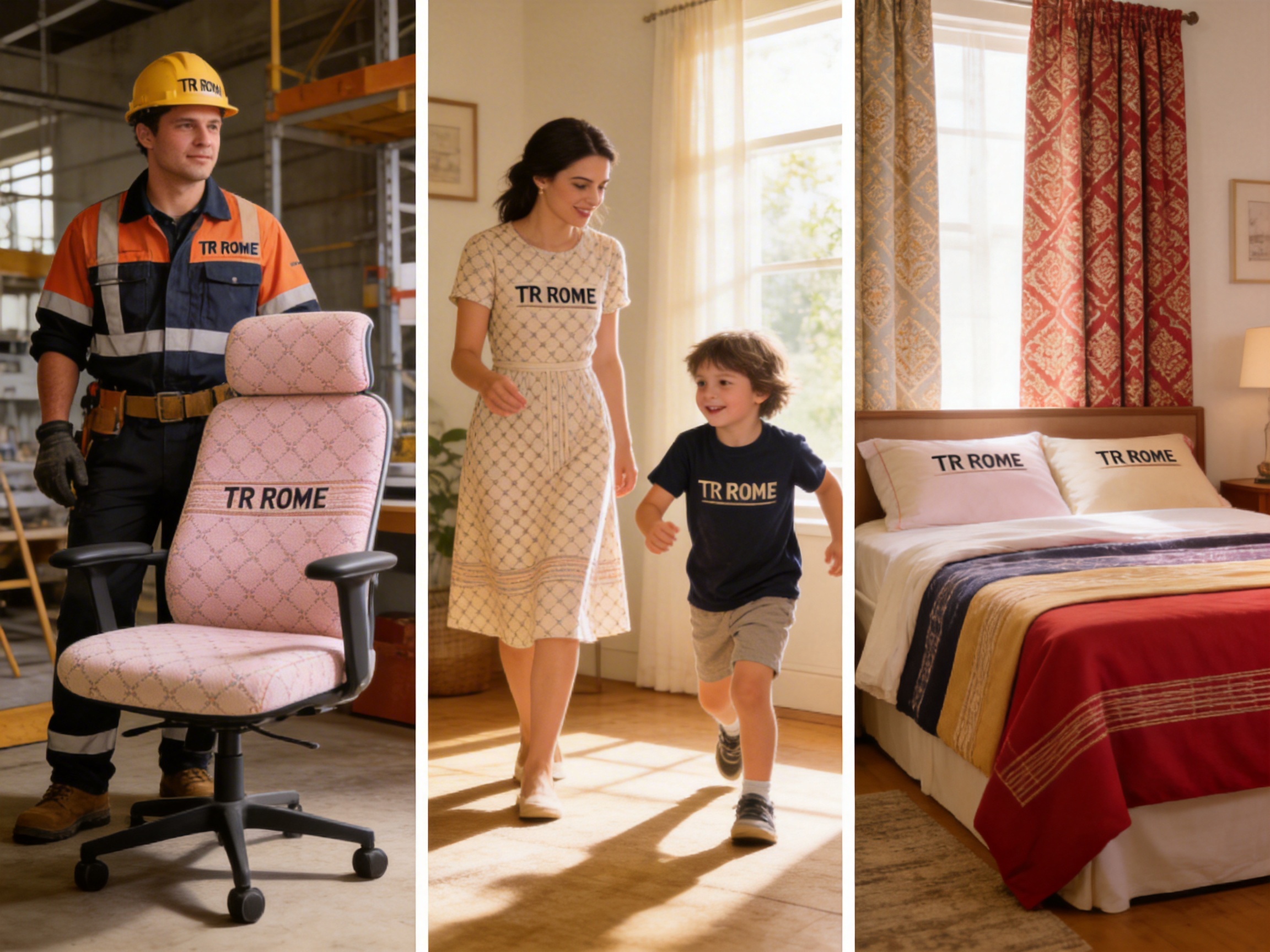
- Workwear: Uniforms for factory workers, construction workers, and warehouse staff. The fabric’s durability ensures it can withstand heavy use, while its low heat retention keeps workers cool in hot environments.
- Upholstery: Fabrics for industrial furniture, such as office chairs and factory equipment covers. The fabric’s resistance to abrasion and mildew makes it suitable for high-traffic areas.
- Filtration: Fabrics for air and water filtration systems. The fabric’s breathability and durability make it effective at trapping particles while allowing air or water to pass through.
- Packaging: Fabrics for protective packaging, such as bags and wraps for industrial products. The fabric’s strength and water resistance help protect products during transportation.
2. Fashion & Apparel
TR Rome Fabric is increasingly popular in the fashion industry due to its softness, dyeability, and cost-effectiveness. Common fashion applications include:
- Men’s clothing: Shirts, trousers, and jackets. The fabric’s wrinkle resistance and durability make it ideal for formal and casual wear.
- Women’s clothing: Dresses, blouses, and skirts. The fabric’s soft texture and wide range of colors and patterns allow designers to create stylish and comfortable garments.
- Activewear: Leggings, t-shirts, and sports bras. The fabric’s moisture absorption and fast drying time make it suitable for physical activity.
- Children’s clothing: The fabric’s hypoallergenic properties and durability make it ideal for kids’ garments, which are often subject to rough use.
3. Home Textiles
TR Rome Fabric is also used in home textiles due to its comfort and durability. Common home applications include:
- Bedding: Sheets, pillowcases, and duvet covers. The fabric’s softness and breathability make it comfortable for sleep.
- Curtains: The fabric’s light weight and dyeability make it suitable for curtains that block light while adding style to a room.
- Upholstery: Fabrics for sofas, chairs, and cushions. The fabric’s resistance to stains and abrasion makes it ideal for high-traffic areas.
- Table linens: Tablecloths and napkins. The fabric’s dyeability and easy care make it suitable for formal and casual dining.
The versatility of TR Rome Fabric means that it can be adapted to almost any application, making it a valuable material for manufacturers and designers around the world.
Q&A Section
To address common questions about TR Rome Fabric, we have compiled the following Q&A:
Q1: What is TR Rome Fabric made of?
A: TR Rome Fabric is a blend of polyester and rayon. The exact ratio varies depending on the desired properties, but it typically ranges from 50-70% polyester to 30-50% rayon.
Q2: Is TR Rome Fabric sustainable?
A: Yes, TR Rome Fabric is more sustainable than many traditional textiles. Its rayon component is derived from natural wood pulp (when sourced responsibly), and its polyester component can be recycled. Additionally, the manufacturing process uses eco-friendly practices such as water recycling and energy efficiency.
Q3: How does TR Rome Fabric compare to cotton?
A: TR Rome Fabric is more durable, dries faster, and requires less maintenance than cotton. It is also more eco-friendly in production, as cotton cultivation uses large amounts of water and pesticides.
Q4: Can TR Rome Fabric be dyed and printed?
A: Yes, TR Rome Fabric has excellent dyeability and printability. It accepts dyes and prints evenly, allowing for a wide range of colors and patterns.
Q5: Where can I buy TR Rome Fabric?
A: TR Rome Fabric is available for purchase directly from the manufacturer’s website, as well as through authorized distributors around the world. The manufacturer offers both wholesale and retail options, making it accessible to customers of all sizes.
Q6: Is TR Rome Fabric suitable for industrial use?
A: Yes, TR Rome Fabric is ideal for industrial use due to its durability, low heat retention, and resistance to abrasion and mildew. It is commonly used in workwear, upholstery, and filtration systems.
Q7: How do I care for TR Rome Fabric?
A: TR Rome Fabric is easy to care for. It can be machine-washed in cold or warm water and tumble-dried on low heat. It is wrinkle-resistant, so ironing is usually not necessary. Avoid using bleach or fabric softeners, as these can damage the fabric.
Conclusion
TR Rome Fabric is a revolutionary textile that combines the best of polyester and rayon to deliver a product that is durable, comfortable, eco-friendly, and cost-effective. Its advantages over competitor materials—from improved breathability to better sustainability—make it a top choice for manufacturers, designers, and end-users across industries.
Backed by advanced manufacturing processes and a customer-centric company, TR Rome Fabric is poised to play a key role in the future of the textile industry. As the demand for sustainable, functional fabrics continues to grow, TR Rome Fabric offers a solution that meets the needs of both the market and the environment.
References
1. Textile Institute. (2023). Global Textile Sustainability Trends Report. Manchester: Textile Institute Press.
2. ISO 14001:2015. Environmental Management Systems—Requirements with Guidance for Use. Geneva: International Organization for Standardization.
3. Smith, J. (2022). Polyester-Rayon Blends: A Comprehensive Guide to Properties and Applications. New York: Textile Publishing House.
4. World Bank. (2023). Sustainable Textile Supply Chains: Best Practices for Manufacturers. Washington DC: World Bank Group.
5. European Textile Confederation. (2022). Textile Quality Standards: A Guide for Manufacturers. Brussels: European Textile Confederation.
6. Lee, S. (2021). The Future of Synthetic-Natural Fiber Blends. Seoul: Korean Textile Research Institute.
