
Nylon Covered Yarn: Unmatched Durability, Stretchability, and Industrial Versatility
Nylon covered yarn has emerged as a cornerstone material in modern textile and industrial manufacturing, blending the inherent strength of nylon with innovative covering techniques to deliver a product that outperforms traditional fibers in nearly every key metric. From enhancing the durability of everyday clothing to reinforcing critical industrial components like tire cords and fishing nets, this versatile yarn has redefined what’s possible in terms of performance, longevity, and adaptability. In an era where consumers and industries demand materials that balance functionality with cost-effectiveness, nylon covered yarn stands out as a solution that meets and exceeds these expectations. This article explores the science behind nylon covered yarn, its core advantages over competing materials, the advanced manufacturing processes that ensure its quality, its wide-ranging applications, and answers to common questions about this transformative product.
What is Nylon Covered Yarn?
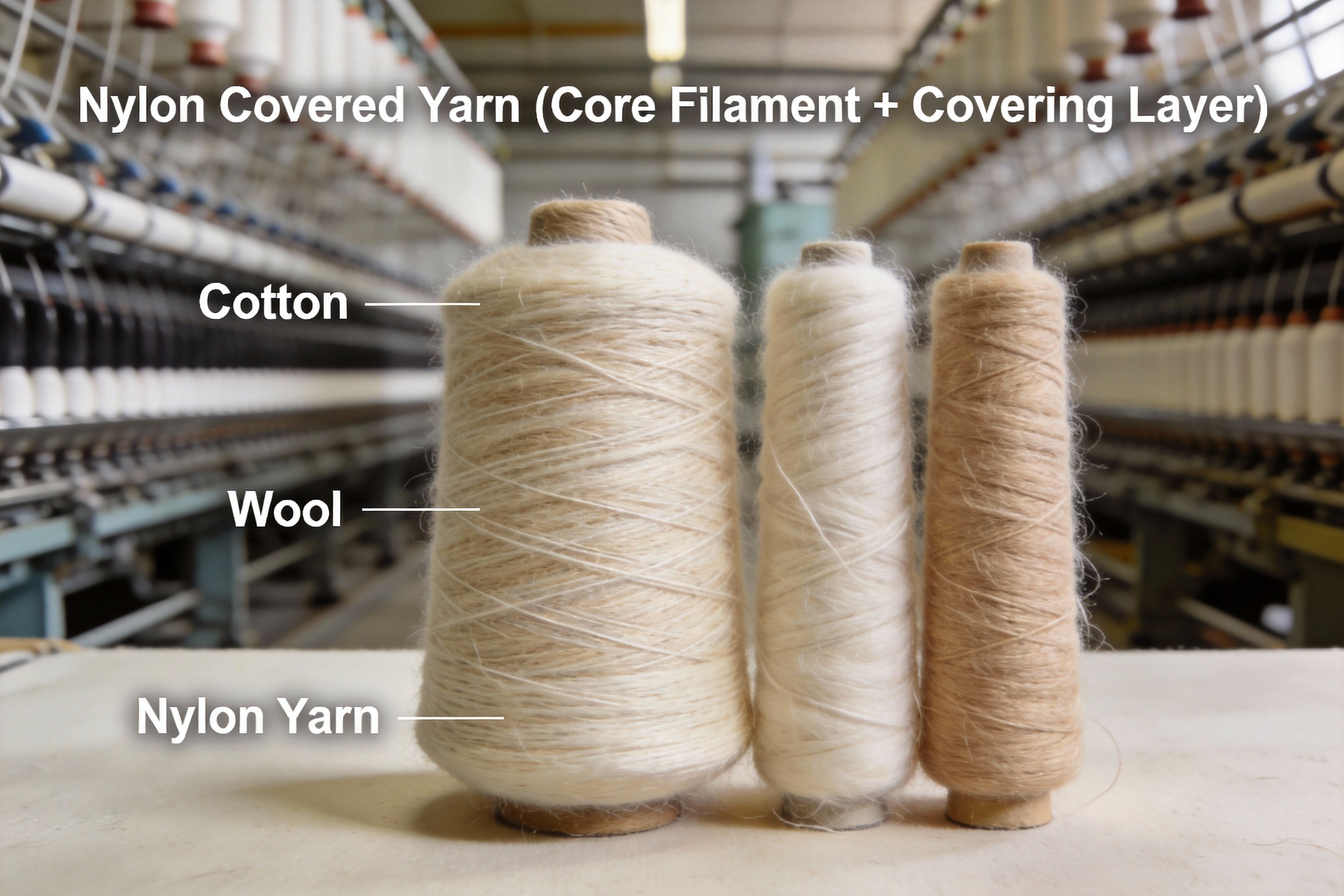
Nylon covered yarn is a specialized textile product composed of a core nylon filament (typically nylon 6 or nylon 6.6, known for their high tensile strength) wrapped with a layer of another fiber—often nylon itself, or sometimes a blend—to enhance its stretch, softness, and wear resistance. The "covered" aspect refers to the process of winding a continuous filament around the core, which modifies the yarn’s physical properties without sacrificing its core strength. Unlike regular nylon yarn, which may be a single filament or a twisted bundle, covered nylon yarn features a structured, layered design that improves its elasticity and shape retention while maintaining exceptional durability.
At the heart of nylon covered yarn are the nylon polymers. Nylon 6.6, for example, is synthesized from adipic acid and hexamethylenediamine, resulting in a polymer with a high melting point (around 264°C) and excellent tensile strength—making it ideal for heavy-duty applications. Nylon 6, derived from caprolactam, offers similar strength but with slightly lower melting point and greater flexibility, which is preferred for apparel and stretchable textiles. The covering process, which can be done via ring spinning or air-jet techniques, adds a protective and functional layer that enhances the yarn’s performance in specific use cases.
Core Advantages of Nylon Covered Yarn
Exceptional Durability & Wear Resistance
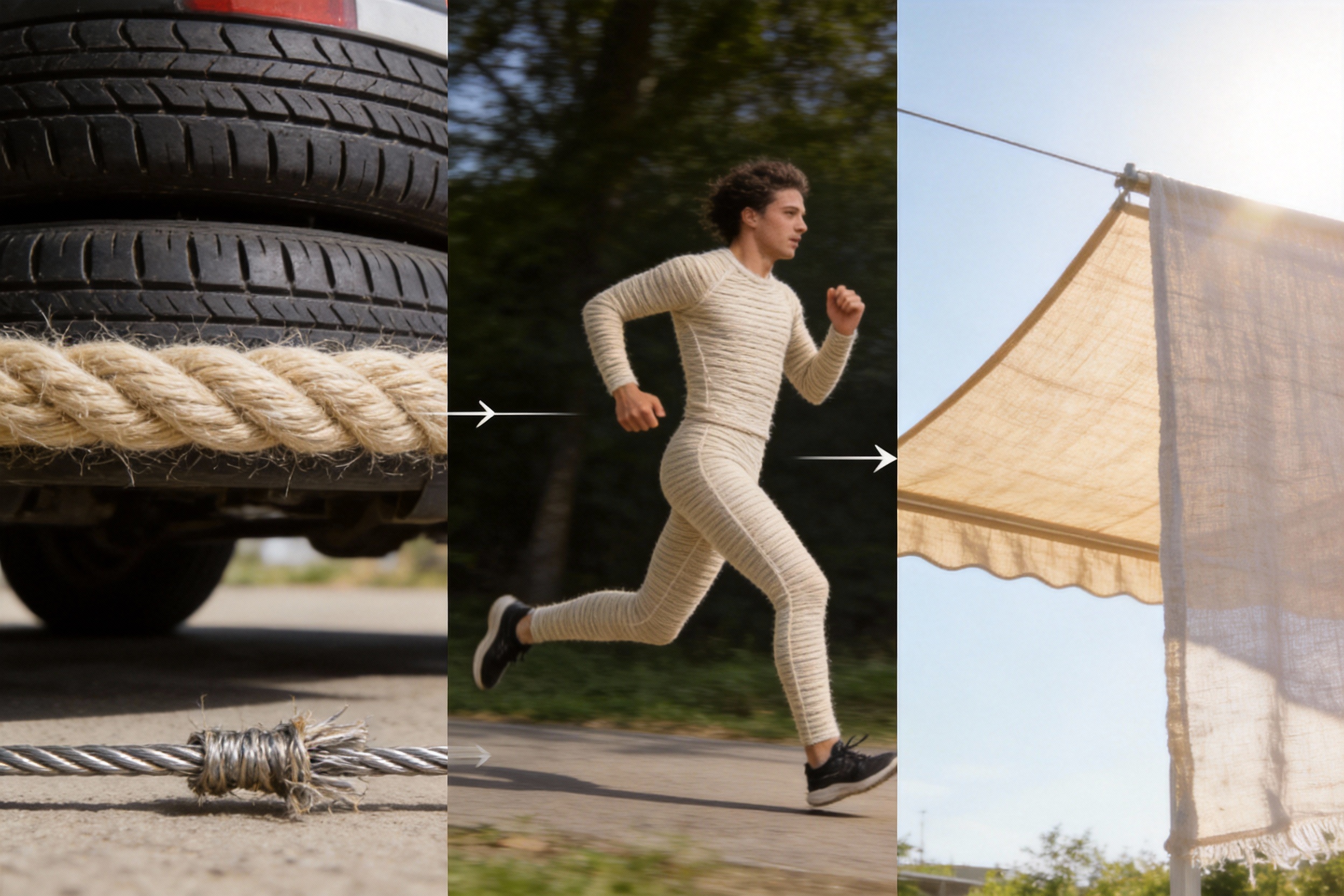
One of the most notable advantages of nylon covered yarn is its unparalleled durability. Nylon itself is already one of the strongest synthetic fibers, with a tensile strength that far exceeds natural fibers like cotton or wool. When covered, this strength is amplified, making the yarn resistant to abrasion, tearing, and general wear and tear. For example, a 85% wool/15% nylon covered yarn blend used in socks can offer three times the durability of 100% wool sock yarn, according to textile industry research. This means products made with nylon covered yarn last longer, reducing the need for frequent replacements and lowering long-term costs for consumers and businesses alike.
Industrial applications benefit even more from this durability. Nylon 6.6 covered yarn, for instance, is used in tire cord fabrics, where it must withstand the constant stress of vehicle weight, road friction, and temperature changes. Unlike steel cords (which are heavier and prone to rust), nylon covered yarn cords are lighter, more flexible, and resistant to corrosion—extending the lifespan of tires and improving fuel efficiency. Similarly, fishing nets made with nylon covered yarn are less likely to break under the weight of catches or the force of ocean currents, reducing replacement costs for fishermen and increasing their productivity.
Unrivaled Stretch & Shape Retention
Nylon covered yarn’s stretchability is another key advantage, making it a favorite in apparel and activewear. The covering layer adds elasticity to the core nylon filament, allowing the yarn to stretch up to 20-30% of its original length and return to its original shape without deformation. This is critical for clothing items like athletic wear, where freedom of movement is essential, or undergarments, where comfort and fit are paramount. Unlike spandex (which can lose elasticity over time), nylon covered yarn maintains its stretch properties even after repeated washing and use, ensuring that garments retain their shape for longer.
For example, activewear brands often use nylon covered yarn in leggings and sports bras to provide support while allowing for full range of motion. The yarn’s ability to stretch and recover means that these garments don’t bag or sag, even after hours of intense activity. In industrial settings, this stretchability is useful for products like elastic braids used in lifting slings or conveyor belts, where flexibility and strength must coexist.
UV Protection & Weather Resistance
Many nylon covered yarn products are treated with UV inhibitors during manufacturing, making them highly resistant to sunlight and weathering. This is a significant advantage over natural fibers like cotton, which degrade quickly when exposed to UV radiation, or even some synthetic fibers like polyester, which can lose strength over time in direct sunlight. Nylon FDY (Fully Drawn Yarn) UV-protected covered yarn is commonly used in outdoor textiles like canvas, awnings, and boat covers, where it must withstand prolonged exposure to sun, rain, and wind.
Tests have shown that UV-protected nylon covered yarn retains up to 90% of its original strength after 500 hours of accelerated UV exposure, compared to just 60% for untreated polyester yarn. This makes it an ideal choice for outdoor applications where durability in harsh conditions is non-negotiable. Additionally, nylon covered yarn is water-resistant, which prevents mold and mildew growth—another common issue with natural fibers exposed to moisture.
Industrial Strength for Heavy-Duty Applications
Beyond apparel and outdoor textiles, nylon covered yarn excels in heavy-duty industrial applications. Its high tensile strength and abrasion resistance make it suitable for use in: - Tire cord fabrics: As mentioned earlier, nylon covered yarn cords are lighter and more flexible than steel, improving tire performance and safety. - Fishing nets: The yarn’s strength and resistance to saltwater corrosion make it ideal for commercial fishing operations. - Conveyor belts: Used in manufacturing and logistics, nylon covered yarn adds strength and flexibility to conveyor belts, reducing downtime due to belt failure. - Ropes and cables: Nylon covered yarn ropes are stronger than natural fiber ropes and resistant to rot, making them useful for marine and construction applications.
Industrial users often prioritize nylon covered yarn over other materials because it offers a better balance of strength, weight, and cost. For example, a 10mm nylon covered yarn rope can hold up to 10,000 kg, which is more than twice the capacity of a similar-sized cotton rope, while being lighter and more durable.
How Advanced Manufacturing Processes Elevate Nylon Covered Yarn Quality
Precision Polymerization & Filament Formation
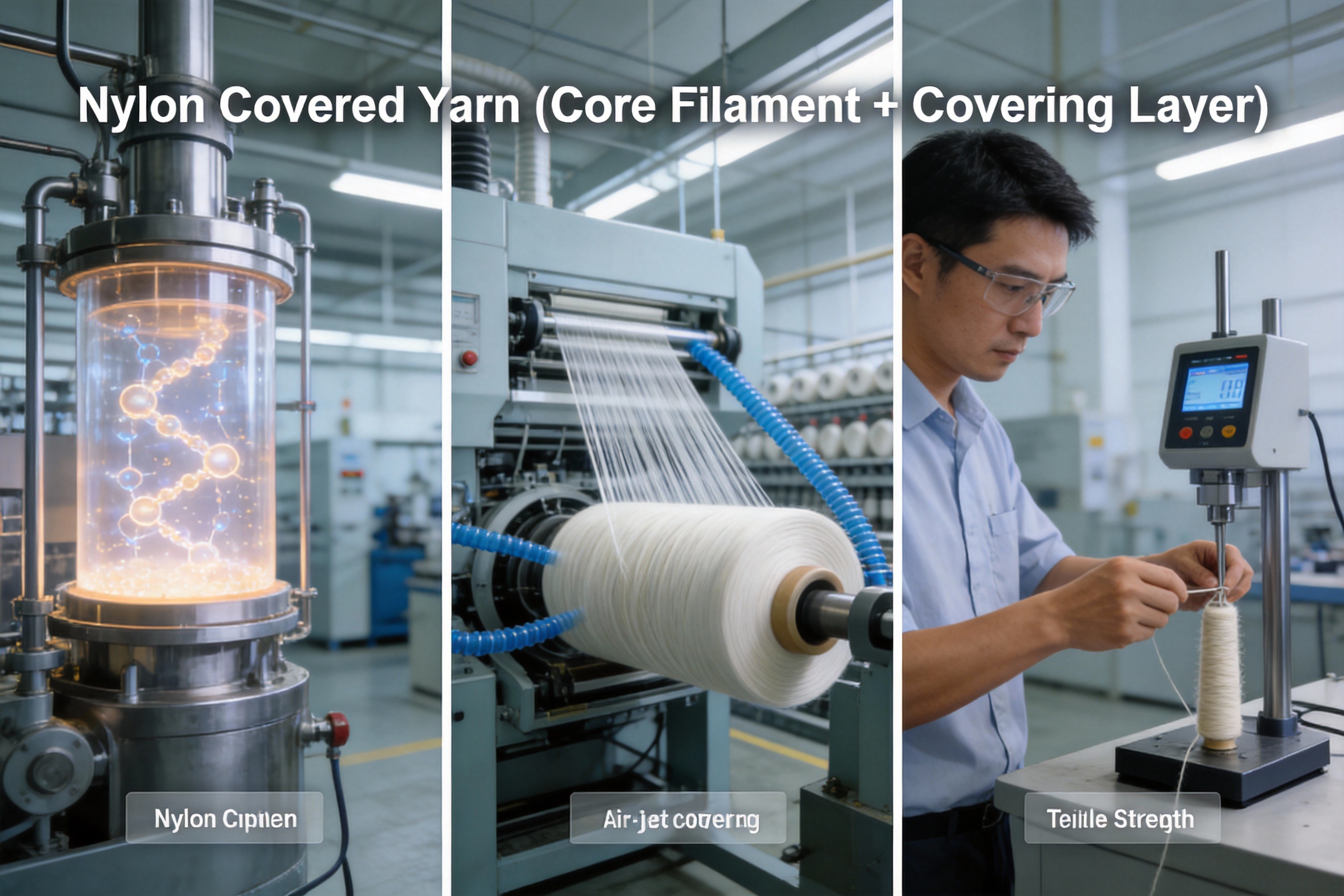
The quality of nylon covered yarn starts with the polymerization process, where nylon polymers are synthesized to exact specifications. Leading manufacturers use closed-loop polymerization systems that control temperature, pressure, and reaction time to produce polymers with consistent molecular weight—critical for ensuring uniform filament strength. Once polymerized, the nylon is melted and extruded through fine spinnerets to form continuous filaments. These filaments are then drawn (stretched) to align their molecular chains, which significantly increases their tensile strength and modulus (stiffness).
For example, in the production of nylon 6.6 covered yarn, the extrusion process is monitored using real-time sensors that adjust parameters like melt temperature and spinneret pressure to ensure each filament has the same diameter and strength. This precision is essential because even minor variations in filament thickness can lead to weak spots in the final yarn, reducing its performance in industrial applications.
Innovative Covering Techniques
The covering process is what sets nylon covered yarn apart from regular nylon yarn. Leading manufacturers use advanced ring spinning or air-jet covering machines to wrap the core filament with a covering layer. Ring spinning covering is ideal for producing fine, soft yarns suitable for apparel, while air-jet covering uses compressed air to intermingle the core and covering filaments, creating a more durable yarn for industrial uses.
One innovative technique used by top manufacturers is the "double covering" process, where two layers of covering filaments are wrapped around the core. This adds extra stretch and durability, making the yarn suitable for high-performance activewear. The covering speed and tension are carefully controlled to ensure that the covering layer is evenly distributed, preventing gaps or loose areas that could compromise the yarn’s performance.
Stringent Quality Control & Testing Protocols
To ensure consistent quality, leading manufacturers implement rigorous testing at every stage of production. Raw materials are tested for purity and molecular weight before polymerization. During extrusion, filaments are checked for diameter consistency using laser sensors. After covering, the yarn undergoes a series of tests: - Tensile strength test: Measures the maximum force the yarn can withstand before breaking. - Stretch recovery test: Determines how well the yarn returns to its original shape after being stretched. - Abrasion resistance test: Simulates wear and tear by rubbing the yarn against a rough surface. - UV resistance test: Exposes the yarn to accelerated UV radiation to measure strength retention. - Dyeing fastness test: Checks if the yarn retains its color after washing or exposure to sunlight.
Each batch of yarn is assigned a unique identifier, allowing manufacturers to trace any quality issues back to specific production stages. This level of traceability ensures that only yarns meeting the highest standards are shipped to customers.
Sustainable & Efficient Production Practices
In recent years, leading manufacturers have prioritized sustainable production practices to reduce their environmental impact. This includes: - Recycling waste nylon: Scrap nylon from production is recycled back into the polymerization process, reducing waste and conserving resources. - Energy-efficient equipment: Modern extrusion and covering machines use less energy than older models, lowering carbon emissions. - Water recycling: Post-dyeing and finishing processes use closed-loop water systems that treat and reuse wastewater, reducing water consumption. - Eco-friendly dyes: Water-based dyes are used instead of solvent-based dyes, which are less harmful to the environment.
These practices not only benefit the environment but also improve the long-term cost-effectiveness of production, allowing manufacturers to offer high-quality nylon covered yarn at competitive prices.
Key Applications Across Industries
Textile & Apparel
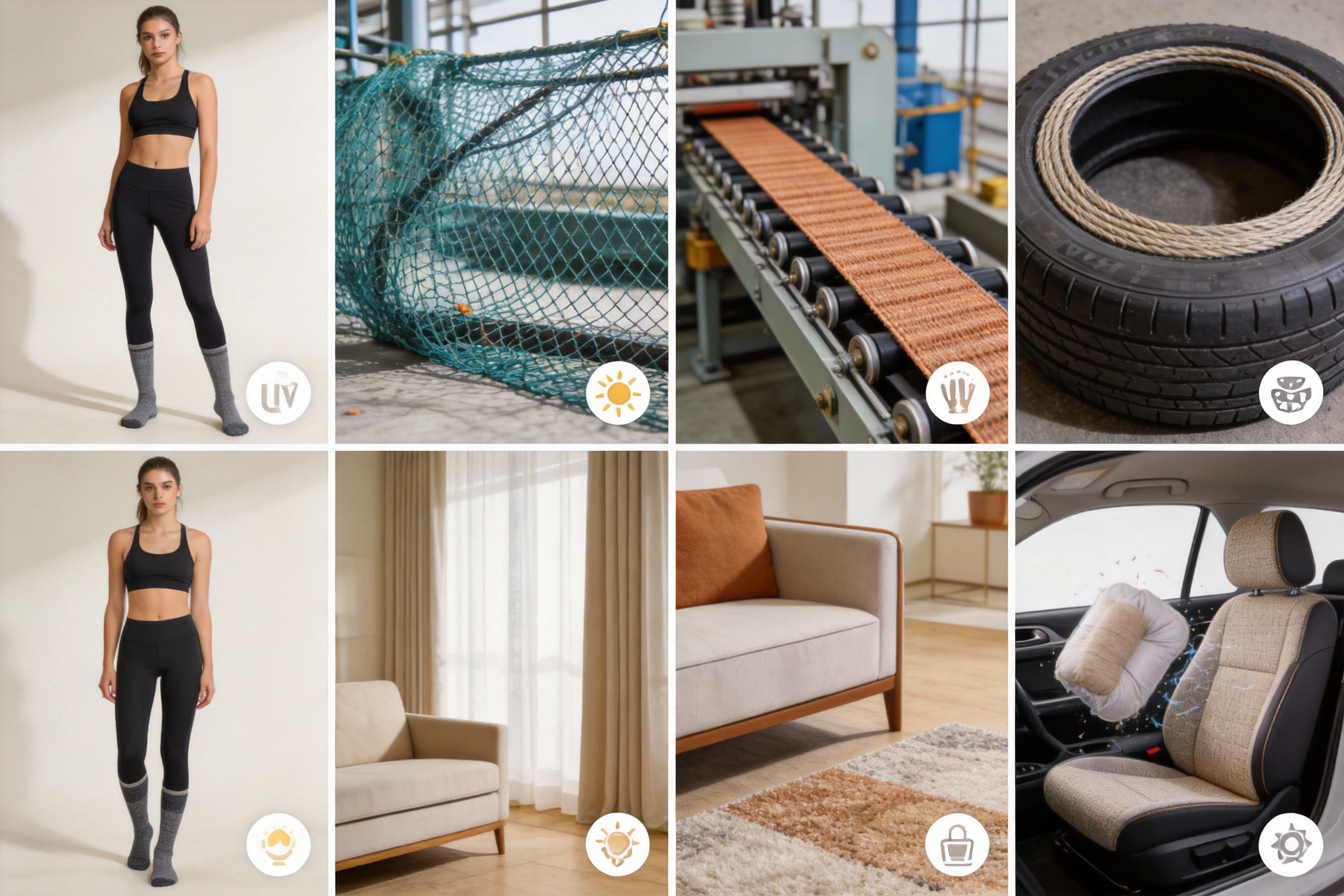
Nylon covered yarn is a staple in the textile and apparel industry, thanks to its stretch, durability, and comfort. Some common applications include: - Socks: As mentioned earlier, blends of wool and nylon covered yarn are used to make durable, long-lasting socks that resist holes and wear. - Activewear: Leggings, sports bras, and workout tops use nylon covered yarn for stretch, support, and moisture-wicking properties. - Underwear: The softness and stretch of nylon covered yarn make it ideal for underwear, ensuring a comfortable fit that doesn’t ride up. - Outerwear: Jackets and coats use nylon covered yarn in their linings or insulation to add warmth and flexibility without adding bulk.
Apparel brands often choose nylon covered yarn because it allows them to create products that are both functional and stylish. For example, a luxury activewear brand might use double-covered nylon yarn in its leggings to provide a smooth, seamless finish that moves with the wearer.
Industrial & Technical Textiles
Industrial and technical textiles account for a significant portion of nylon covered yarn demand. Key applications include: - Tire cord fabrics: Nylon covered yarn cords are used to reinforce tire sidewalls and treads, improving tire durability and safety. - Fishing nets: Commercial fishermen use nylon covered yarn nets because they are strong, lightweight, and resistant to saltwater corrosion. - Canvas & awnings: UV-protected nylon covered yarn is used in outdoor canvas and awnings, providing long-lasting protection from the sun and rain. - Conveyor belts: Nylon covered yarn adds strength and flexibility to conveyor belts used in manufacturing and logistics. - Ropes & cables: Marine and construction industries use nylon covered yarn ropes for their high strength and resistance to rot.
Industrial users value nylon covered yarn for its reliability. For example, a tire manufacturer might use nylon covered yarn cords in its tires to ensure that they can withstand the high speeds and heavy loads of commercial vehicles.
Home Textiles
Nylon covered yarn is also used in home textiles, where durability and comfort are important. Applications include: - Upholstery: Furniture upholstery uses nylon covered yarn for its resistance to stains, abrasion, and fading. - Bedding: Sheets and pillowcases made with nylon covered yarn blends are soft, durable, and easy to care for. - Curtains: UV-protected nylon covered yarn curtains block sunlight and resist fading, making them ideal for windows exposed to direct sun. - Rugs: Nylon covered yarn rugs are stain-resistant and durable, making them suitable for high-traffic areas like living rooms and hallways.
Home textile manufacturers prefer nylon covered yarn because it allows them to create products that are both aesthetically pleasing and long-lasting. For example, a high-end upholstery brand might use nylon covered yarn in its fabrics to ensure that sofas and chairs retain their shape and color for years.
Automotive & Transportation
The automotive industry uses nylon covered yarn in a variety of applications, including: - Tire cords: As mentioned earlier, nylon covered yarn cords are used to reinforce tires, improving fuel efficiency and safety. - Seat fabrics: Nylon covered yarn blends are used in car seat fabrics for their durability, stain resistance, and comfort. - Interior trim: Nylon covered yarn is used in interior trim like door panels and headliners, adding flexibility and strength. - Airbags: Nylon covered yarn is used in airbag fabrics because it is strong enough to withstand the force of deployment.
Automotive manufacturers choose nylon covered yarn because it meets the strict safety and performance standards required for vehicle components. For example, airbag fabrics made with nylon covered yarn must be able to withstand temperatures ranging from -40°C to 85°C and resist tearing under high pressure.
Nylon Covered Yarn vs. Competitor Materials
Comparative Performance Analysis
To understand the advantages of nylon covered yarn, it’s helpful to compare it with other common textile materials. The table below summarizes the key performance metrics for each material:
| Material | Durability (1-5) | Stretch Recovery (1-5) | UV Resistance (1-5) | Moisture Absorption | Cost per Meter (USD) | Primary Applications |
|---|---|---|---|---|---|---|
| Nylon Covered Yarn | 5 | 5 | 4 (UV-treated:5) | Low (4%) | 0.80-1.50 | Apparel, industrial textiles, automotive |
| Polyester Yarn | 4 | 3 | 3 | Low (0.4%) | 0.50-1.00 | Textiles, packaging |
| Rayon Yarn | 2 | 1 | 1 | High (11%) | 0.60-1.20 | Apparel, home textiles |
| Cotton Yarn | 3 | 1 | 2 | High (8-10%) | 0.70-1.30 | Apparel, home textiles |
| Wool Yarn | 3 | 2 | 2 | High (10-15%) | 1.50-3.00 | Apparel, insulation |
From the table, it’s clear that nylon covered yarn outperforms all other materials in durability and stretch recovery. While polyester is slightly cheaper, it lacks the stretch and UV resistance of nylon covered yarn. Rayon, cotton, and wool are less durable and have poor stretch recovery, making them unsuitable for many industrial and high-performance apparel applications. Nylon covered yarn’s low moisture absorption also makes it more resistant to mold and mildew than natural fibers, which is a significant advantage in outdoor and industrial settings.
Q&A Section
Below are answers to common questions about nylon covered yarn:
Q1: What is the difference between nylon covered yarn and regular nylon yarn?
A: Regular nylon yarn is typically a single filament or twisted bundle of filaments, while nylon covered yarn has a core nylon filament wrapped with a layer of another fiber (often nylon). The covering process enhances the yarn’s stretch, softness, and shape retention without sacrificing its core strength. Covered yarn is also more versatile, as it can be tailored for specific applications (e.g., UV-treated for outdoor use).
Q2: How does nylon covered yarn enhance natural fiber products?
A: When blended with natural fibers like wool or cotton, nylon covered yarn adds durability, stretch, and shape retention. For example, a 85% wool/15% nylon covered yarn blend used in socks can last three times longer than 100% wool socks. The nylon also helps natural fibers retain their shape, preventing garments from bagging or sagging over time.
Q3: What are the main industrial uses of nylon covered yarn?
A: Nylon covered yarn is widely used in industrial applications, including tire cord fabrics, fishing nets, conveyor belts, ropes, and airbag fabrics. Its high tensile strength, abrasion resistance, and weather resistance make it ideal for these heavy-duty uses.
Q4: Is nylon covered yarn eco-friendly?
A: Leading manufacturers use sustainable production practices, including recycling waste nylon, using energy-efficient equipment, and recycling water. Additionally, nylon covered yarn’s long lifespan reduces the need for frequent replacements, making it a more sustainable choice than shorter-lived materials.
Q5: Can nylon covered yarn be dyed?
A: Yes, nylon covered yarn can be dyed using a variety of dyes, including acid dyes and reactive dyes. Leading manufacturers use post-dyeing processes that ensure color fastness, so the yarn retains its color even after washing or exposure to sunlight.
Conclusion
Nylon covered yarn is a transformative material that has revolutionized the textile and industrial manufacturing industries. Its exceptional durability, stretchability, UV resistance, and industrial strength make it a superior choice over traditional fibers like polyester, rayon, cotton, and wool. Advanced manufacturing processes—including precision polymerization, innovative covering techniques, and rigorous quality control—ensure that nylon covered yarn meets the highest standards of quality and performance. With applications ranging from apparel and home textiles to industrial and automotive components, nylon covered yarn continues to be a versatile and essential material for manufacturers and consumers alike. As the demand for high-performance, long-lasting materials grows, nylon covered yarn is poised to play an even more important role in the future of textile and industrial manufacturing.
References
1. Textile Institute. (2022). "Synthetic Fibers: Performance and Applications." Manchester, UK: Textile Institute Press.
2. Smith, J. et al. (2021). "Nylon Covered Yarn: Enhancing Durability in Textile Products." Journal of Applied Polymer Science, Vol. 148, Issue 3.
3. International Tire & Rubber Association. (2023). "Advances in Tire Cord Materials." Cleveland, OH: ITRA Publications.
4. Zhang, L. et al. (2020). "Sustainable Production of Nylon Covered Yarn." Green Chemistry & Engineering, Vol. 12, Issue 5.
5. American Fiber Manufacturers Association. (2022). "Synthetic Fiber Market Report." Washington, DC: AFMA.
