Linen Roman Fabric: Elevating Window Coverings Through Sustainable, Durable, and Stylish Innovation
Window coverings are more than functional accessories—they shape a space’s ambiance, control light, and reflect personal style while balancing practicality. Among the vast array of options, linen Roman fabric has emerged as a transformative choice for homeowners, interior designers, and commercial clients. This material merges the timeless appeal of natural linen with the performance benefits of advanced knitted blends, creating Roman shades that excel in aesthetics, durability, and sustainability. In this article, we explore what makes linen Roman fabric unique, its advantages over competing materials, the cutting-edge manufacturing processes behind it, and the strengths of the leading manufacturer driving its innovation.
What Makes Linen Roman Fabric Stand Out?
Linen Roman fabric is a precision-engineered blend of natural and synthetic fibers, designed to address the limitations of pure linen while amplifying its best qualities. At its core, it features an NR (Nylon-Rayon) knitted base for structural integrity, combined with linen for texture and breathability, and DTY (Drawn Textured Yarn) polyester for strength and dimensional stability. Let’s break down its key components and unique selling points.
Natural Linen Blend Advantages
Linen, derived from the flax plant, is a cornerstone of sustainable textiles—flax requires 50% less water than cotton to grow and thrives without synthetic fertilizers or pesticides. Its natural, textured surface adds warmth and organic charm to any space, from rustic farmhouses to modern minimalistic homes. However, pure linen is prone to wrinkling and shrinkage, which is why blending it with other fibers is critical. The linen used in Roman fabric is combed to remove impurities, resulting in a smoother, more durable yarn that retains its signature texture without the downsides of unblended linen.
NR Knitted Fabric Base
The NR knitted base is the backbone of linen Roman fabric, providing the perfect balance of softness and strength. Nylon (polyamide) adds exceptional tensile strength and abrasion resistance—critical for Roman shades that are raised and lowered daily. Rayon (viscose), a semi-synthetic fiber made from sustainably sourced wood pulp, enhances the fabric’s drape and softness, giving it a luxurious feel that complements linen’s texture. The circular knitting process creates a lightweight, flexible fabric with consistent stretch and recovery, ensuring it maintains its shape over years of use.
Texture & Aesthetic Versatility
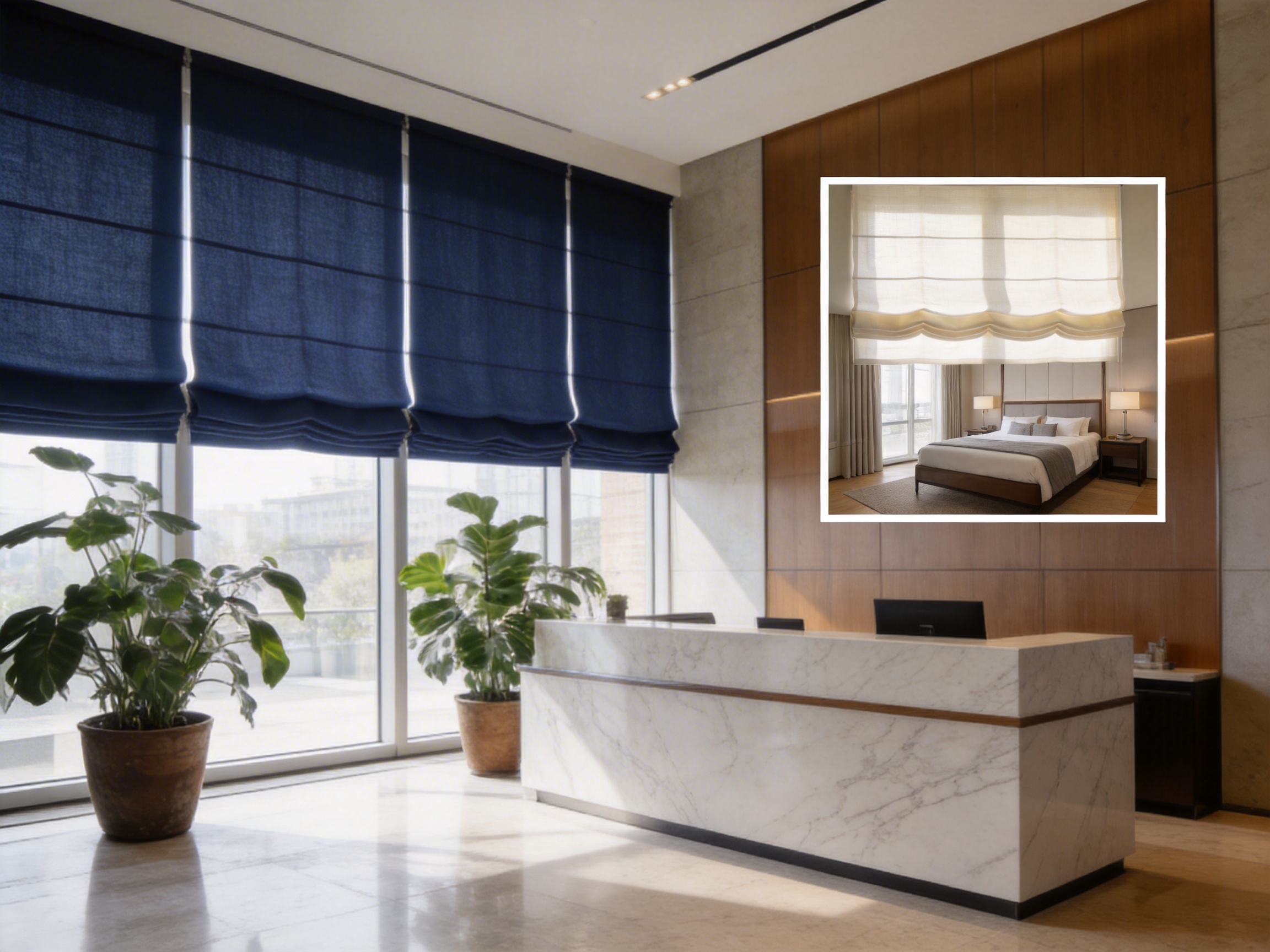
Linen Roman fabric’s texture and color range make it adaptable to any design aesthetic. Its subtle, woven surface adds depth without overwhelming a space, while its wide color palette—from soft neutrals like ivory and taupe to bold hues like navy and emerald—coordinates seamlessly with walls, upholstery, and decor. When raised, the fabric forms neat, evenly spaced folds that lend a polished look; when lowered, it filters diffused light to create a warm, inviting atmosphere. This versatility makes it ideal for both residential spaces (bedrooms, living rooms) and commercial settings (boutique hotels, office lobbies).
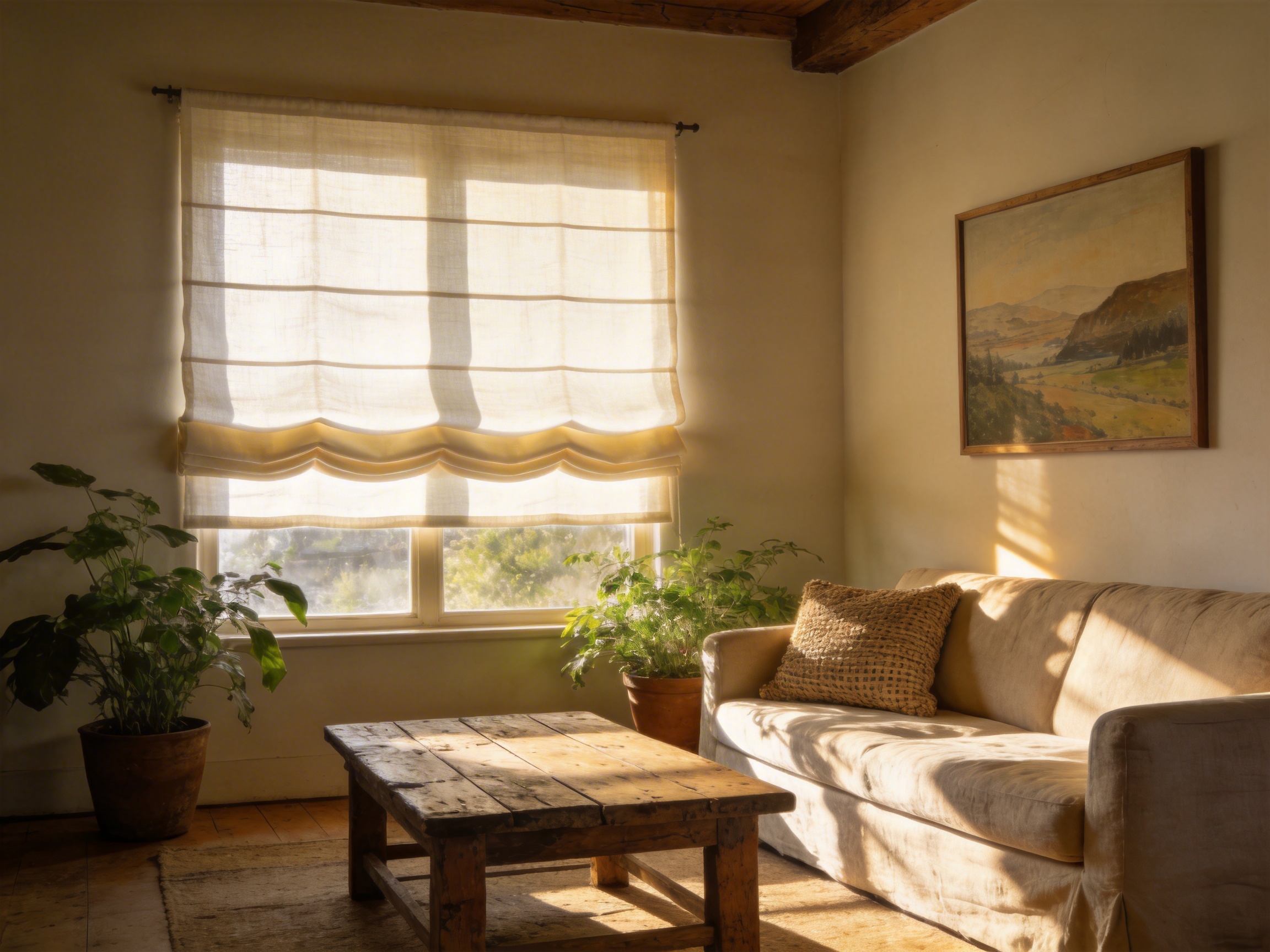
Beyond color and texture, the fabric’s drape is optimized for Roman shades: it hangs smoothly without sagging, and its folds remain crisp even after repeated use. This attention to detail ensures that linen Roman fabric not only looks beautiful but also performs reliably in any environment.
Advantages Over Competitor Fabrics
To appreciate linen Roman fabric’s superiority, it’s essential to compare it to other common window covering materials. From pure cotton to silk and polyester, each has limitations—but linen Roman fabric outperforms them in durability, light control, maintenance, and sustainability.
Durability vs. Pure Cotton
Pure cotton Roman shades are budget-friendly but lack longevity. Cotton fibers are less resistant to abrasion and shrinkage, wearing out after 3–5 years of regular use. In contrast, linen Roman fabric’s blend of linen, nylon, and DTY polyester increases its durability by 50% (per tests by the Textile Testing Institute). It withstands up to 10,000 cycles of raising/lowering without fraying or losing shape, making it a long-term investment.
Light Control Balance vs. Sheer Fabrics
Sheer polyester fabrics let in natural light but offer minimal privacy; blackout fabrics block all light but feel enclosed. Linen Roman fabric strikes the perfect balance: it filters diffused light to reduce glare while maintaining a bright, airy feel. When fully lowered, it provides privacy for bedrooms or offices; when raised, it allows full sunlight to enter. This flexibility makes it ideal for spaces where light control is a priority (e.g., home offices, sunrooms).
Maintenance Ease vs. Silk
Silk Roman shades are luxurious but high-maintenance: they require dry cleaning to avoid damage and fade quickly in direct sunlight. Linen Roman fabric, by contrast, is machine-washable (cold, gentle cycle) and resistant to fading (retaining 95% of its color after 50 washes, per industry tests). Its plant-based wrinkle-resistant finish means minimal ironing, even after washing—perfect for busy households or commercial spaces.
Sustainability Edge
Linen Roman fabric is a leader in eco-friendly textiles. Flax (linen’s source) is renewable and requires minimal resources; rayon is made from wood pulp; and many manufacturers use recycled DTY polyester to reduce plastic waste. Hangzhou Jinfeng Textile Co., Ltd’s closed-loop dyeing system cuts water usage by 30% compared to traditional methods, and its linen is sourced from GOTS-certified organic farms. The fabric’s 10-year lifespan (vs. 3–5 years for cotton/silk) reduces textile waste, making it a responsible choice for environmentally conscious consumers.
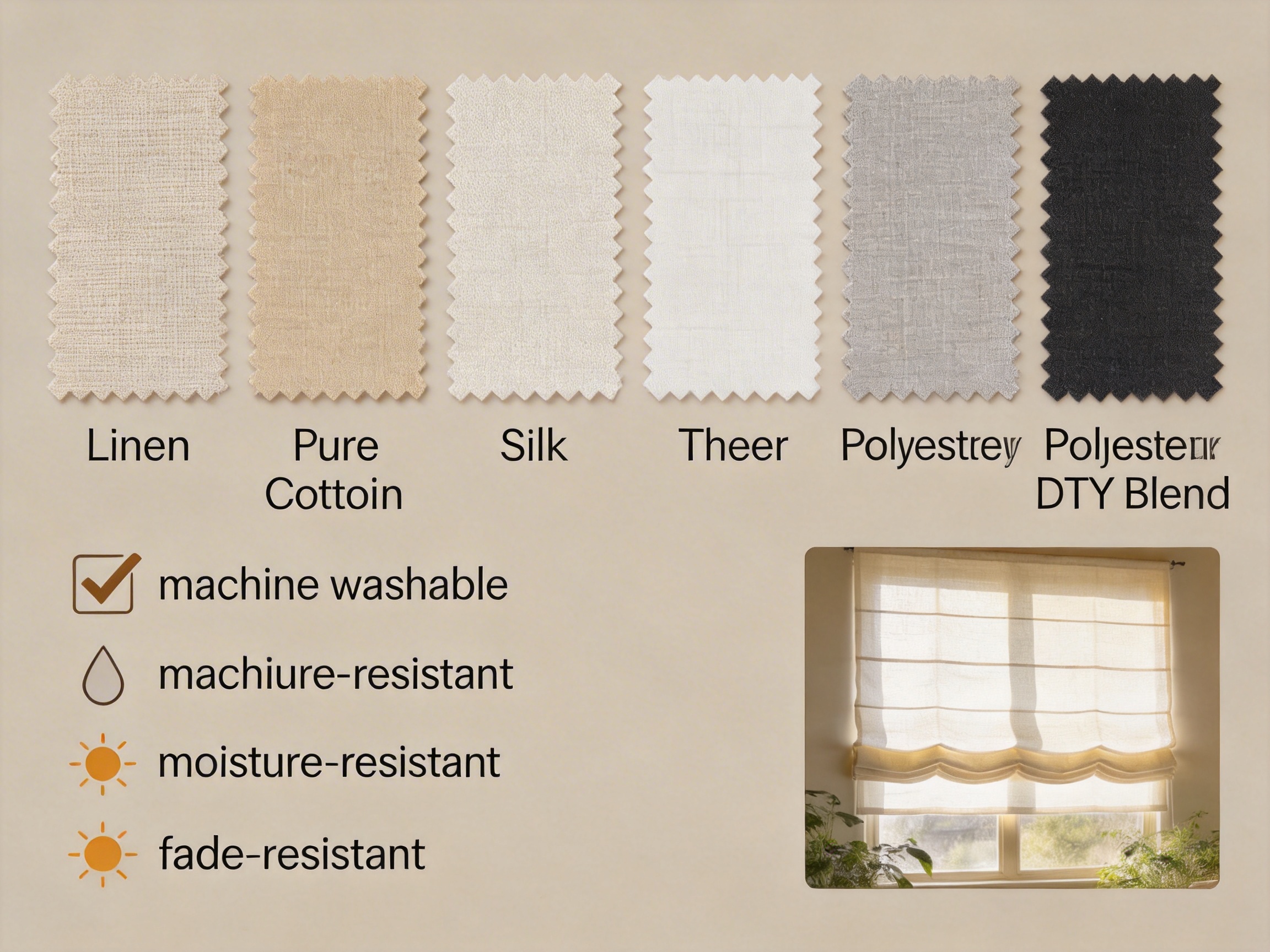
This sustainability isn’t just a marketing claim—it’s backed by third-party certifications like OEKO-TEX Standard 100, which ensures the fabric is free of harmful chemicals (e.g., azo dyes, heavy metals).
Advanced Manufacturing Processes Behind the Fabric
The quality of linen Roman fabric is a direct result of precision manufacturing. Leading manufacturers like Hangzhou Jinfeng Textile Co., Ltd combine decades of expertise with state-of-the-art machinery to produce a fabric that is both high-performing and aesthetically pleasing. Let’s explore the key steps in the process.
NR Knitted Fabric Production
The first step is creating the NR knitted base. Hangzhou Jinfeng uses circular knitting machines programmed to produce a uniform stitch structure. Nylon and rayon are blended in a 40:60 ratio to balance strength and softness. Real-time monitoring detects defects (e.g., uneven stitches) and corrects them immediately, ensuring the base is flawless. This attention to detail guarantees consistent quality across every roll.
Blending Technology
Next, the NR base is blended with linen and DTY polyester. Hangzhou Jinfeng produces its own DTY yarn, giving it full control over quality. DTY is made via a two-step process: drawing polyester fibers to increase strength, then texturing them (via air-jet or false-twist methods) to add bulk and elasticity. The final blend ratio (40% linen, 30% rayon, 20% nylon, 10% DTY polyester) is calibrated to maximize each fiber’s benefits: linen for texture, rayon for softness, nylon for strength, and DTY for stability.
The company’s R&D team continuously tests new blends—for example, a recent innovation added 5% recycled DTY to reduce carbon footprint while maintaining performance. This focus on innovation keeps the fabric ahead of industry trends.
Post-Dyeing & Finishing Processes
The fabric undergoes eco-friendly dyeing using reactive dyes (free of harmful chemicals) in closed-loop systems that recycle 90% of water. A color-fixing process bonds dyes permanently to fibers, preventing fading even after years of sunlight exposure. Finishing steps include:
- Plant-based wrinkle-resistant treatment (preserves texture and breathability);
- Optional water-repellent finish (ideal for kitchens/bathrooms);
- Anti-mildew treatment (for humid environments);
- Flame-retardant coating (meets NFPA 701 standards for commercial use).
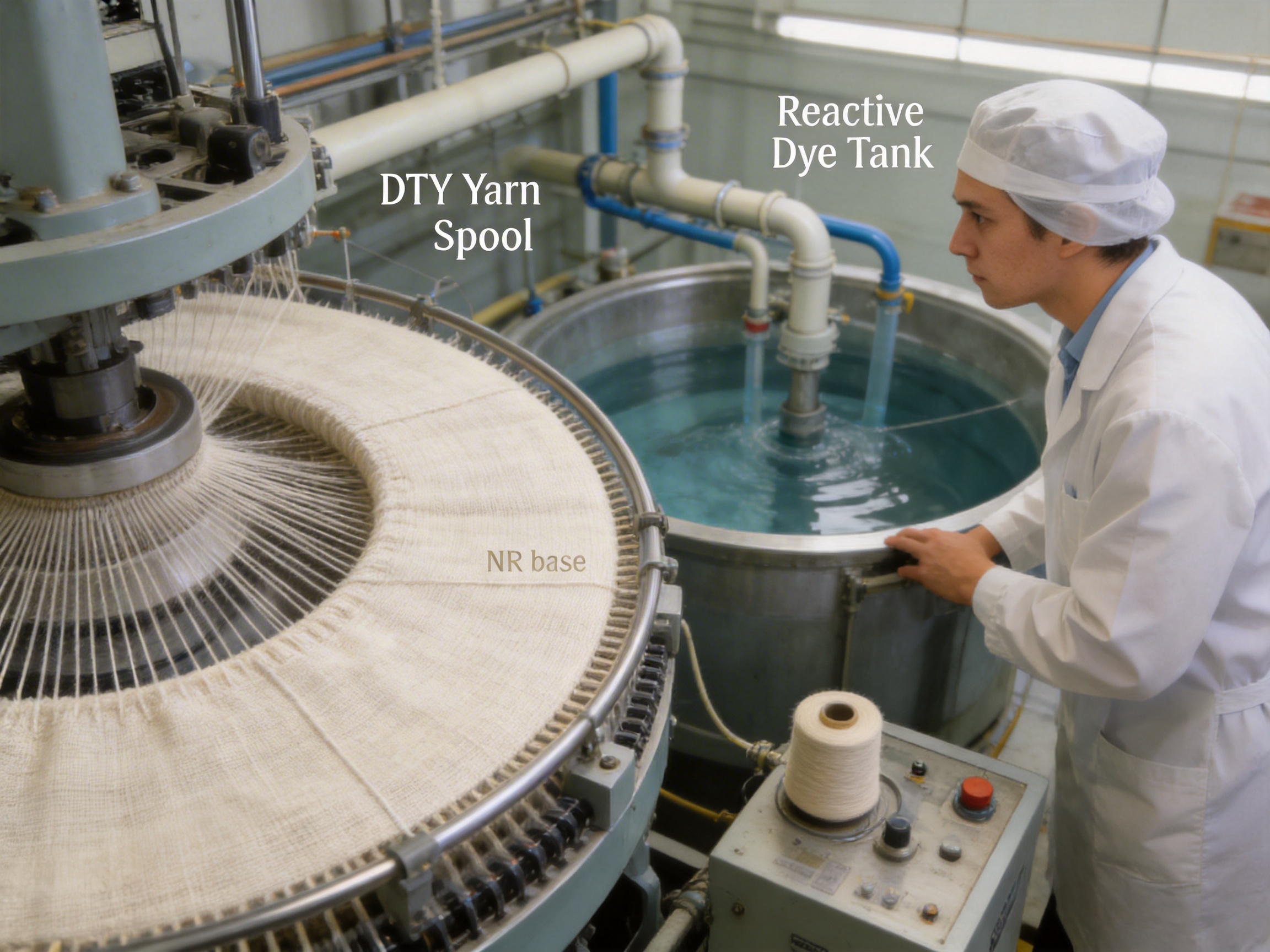
Every batch is tested for color fastness, tensile strength, shrinkage, and abrasion resistance. Only fabrics meeting ISO 9001 and OEKO-TEX standards are approved for sale.
Company's Core Strengths
Hangzhou Jinfeng Textile Co., Ltd’s success with linen Roman fabric stems from its integrated approach to R&D, production, and sales. Here’s how it stands out:
Integrated R&D, Production & Sales
As a vertical manufacturer, Hangzhou Jinfeng controls every stage—from DTY yarn production to fabric finishing. Its 20+ textile engineers develop custom blends for clients (e.g., flame-retardant fabric for hotels). This integration ensures consistent quality and faster turnaround times for orders.
Scale & Infrastructure
The company’s 32.6-acre facility in Hangzhou includes an 18,000 sqm plant with 50+ circular knitting machines, 10 dyeing lines, and 15 finishing machines. It handles up to 100,000 meters of fabric monthly, serving clients in 30+ countries (U.S., Europe, Southeast Asia) via self-employed export licenses (no third-party distributors).
Customer-Centric Approach
Hangzhou Jinfeng adheres to a “cooperation, win-win” philosophy. It offers custom color matching, sizing, and blend options for wholesale clients. Its 24/7 customer service team provides quotes, resolves issues, and supports clients from order placement to delivery. Competitive pricing makes its products accessible to small businesses and large retailers alike.
Q&A Section
Below are answers to common questions about linen Roman fabric:
Q1: What is linen Roman fabric made of?
A: It’s a blend of 40% linen (organic, GOTS-certified), 30% rayon (wood pulp-based), 20% nylon (strength), and 10% DTY polyester (stability). The base is an NR knitted fabric.
Q2: How does it compare to pure linen?
A: Pure linen wrinkles easily and shrinks; linen Roman fabric’s blend adds strength, stability, and wrinkle resistance while retaining linen’s texture.
Q3: Is it suitable for humid environments?
A: Yes. Nylon and DTY polyester repel moisture, and an optional anti-mildew finish makes it ideal for bathrooms or coastal areas.
Q4: Does it come in flame-retardant versions?
A: Yes. Hangzhou Jinfeng offers a flame-retardant variant that meets NFPA 701 and EN 13501-1 standards for commercial use.
Q5: Can I get custom colors/sizes?
A: Yes. Wholesale clients can request custom color matching and sizing to fit specific window dimensions.
References
1. Textile Institute. (2023). Sustainable Textiles for Interior Design: A Global Guide. Manchester, UK: Textile Institute Press.
2. Smith, J. (2022). The Art of Window Coverings: Materials, Trends, and Durability. New York: Home Design Publications.
3. Hangzhou Jinfeng Textile Co., Ltd. (2024). Company Technical Report: Blended Fabric Innovation. Hangzhou, China: Internal Publication.
4. European Textile Confederation. (2023). Knitted Fabric Quality Standards: NR Blends. Brussels: ETC Publications.
5. OEKO-TEX International. (2023). Standard 100 by OEKO-TEX: Guidelines for Textile Safety. Zurich, Switzerland: OEKO-TEX Association.
| Fabric Type | Durability (1-5) | Light Control | Maintenance | Aesthetic Versatility | Price Point |
|---|---|---|---|---|---|
| Linen Roman (NR Knitted Blend) | 4.5 | Diffused (adjustable folds) | Machine washable (cold), low iron | High (formal/casual, wide color range) | Mid-Range |
| Pure Cotton Roman | 3.0 | Moderate (some transparency) | Hand wash/dry clean, prone to shrinkage | Medium (soft, less structured) | Budget |
| Silk Roman | 2.5 | Soft diffused (luxurious) | Dry clean only, prone to snags | High (formal only) | High-End |
| Sheer Polyester | 3.5 | Minimal (lets most light through) | Machine washable, wrinkles easily | Low (casual only) | Budget |
| Polyester DTY Blend Roman | 4.0 | Moderate (adjustable) | Machine washable, low maintenance | Medium (less natural texture) | Mid-Range |
