
Jacquard Twill Fabric: Revolutionizing Textile Performance and Customization
In the dynamic world of textiles, where consumer demands for aesthetics, comfort, and functionality intersect, Jacquard Twill Fabric stands out as a transformative innovation. This fabric—blending the intricate pattern-making of jacquard techniques with the durable, structured weave of twill—has redefined what modern textiles can achieve. Unlike conventional fabrics that often prioritize one attribute over others, this variant balances softness, elasticity, pattern durability, and breathability, making it a go-to choice for apparel and lifestyle products alike. As the textile industry continues to evolve, understanding the unique advantages of this fabric and the advanced processes behind its creation is essential for businesses and consumers seeking high-quality, versatile materials.
What Is Knitted Jacquard Twill Fabric?
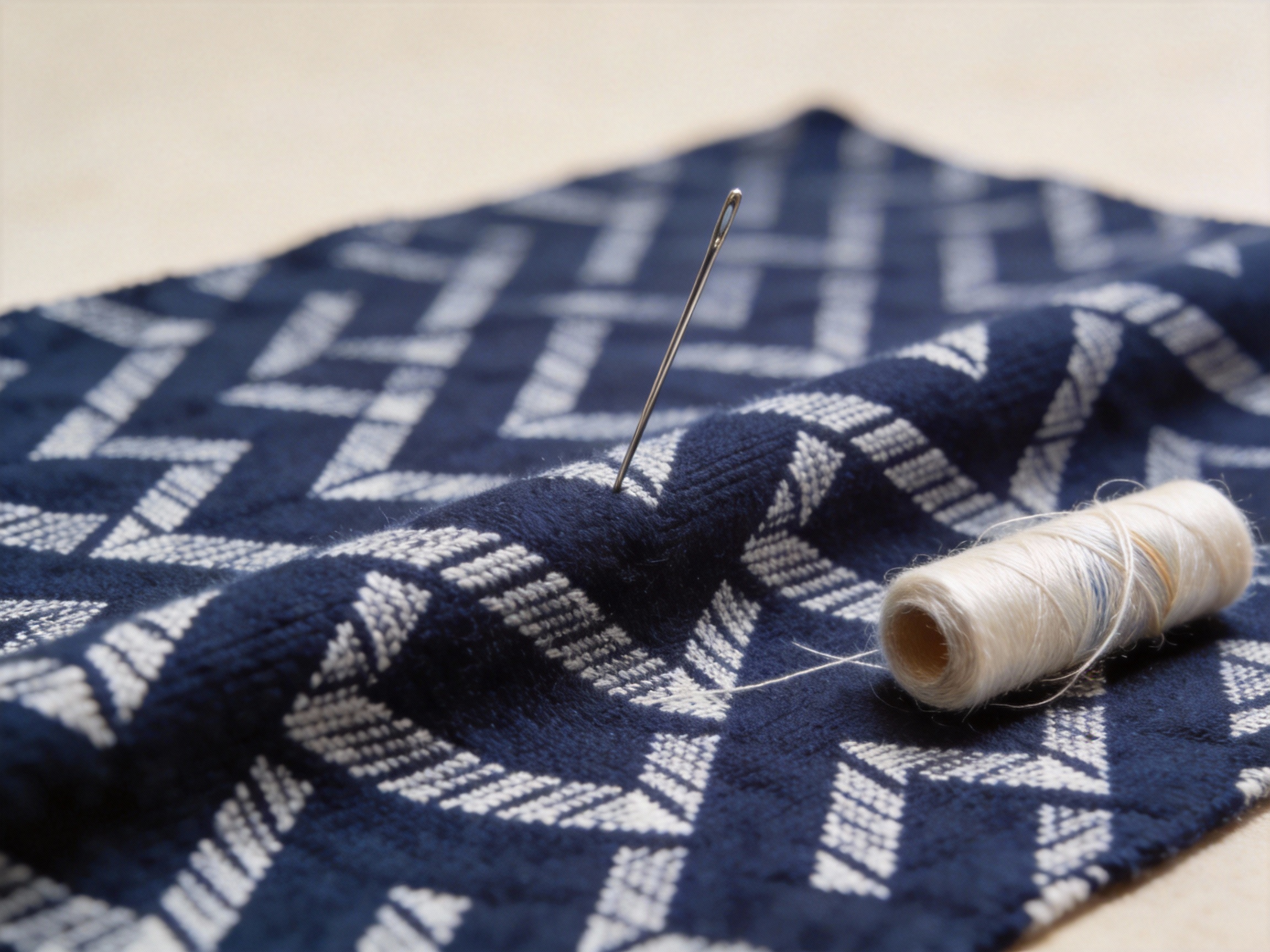
Knitted Jacquard Twill Fabric is a specialized textile that combines two distinct textile techniques: jacquard knitting and twill construction. Unlike woven jacquard fabrics, which use interlaced yarns to create patterns, knitted jacquard relies on interlooped yarns—allowing for greater stretch and flexibility. The twill element refers to the diagonal pattern formed by the interlooping of yarns, which enhances the fabric’s structural integrity and adds a subtle, elegant texture.
At its core, this fabric is typically composed of a nylon-polyester blend. Nylon contributes key performance attributes: exceptional elasticity (enabling 20–30% stretch recovery), abrasion resistance, and moisture-wicking properties. Polyester, on the other hand, adds durability, color retention, and resistance to wrinkles. The combination of these two materials creates a fabric that is both functional and aesthetically pleasing.
A defining feature of this fabric is its concave-convex surface texture. This effect is achieved through precise jacquard knitting, where different yarn tensions and loop structures create raised and recessed areas. Not only does this add visual interest, but it also improves grip (ideal for activewear) and reduces friction against the skin (enhancing comfort for extended wear).
Advantages Over Competitor Fabrics
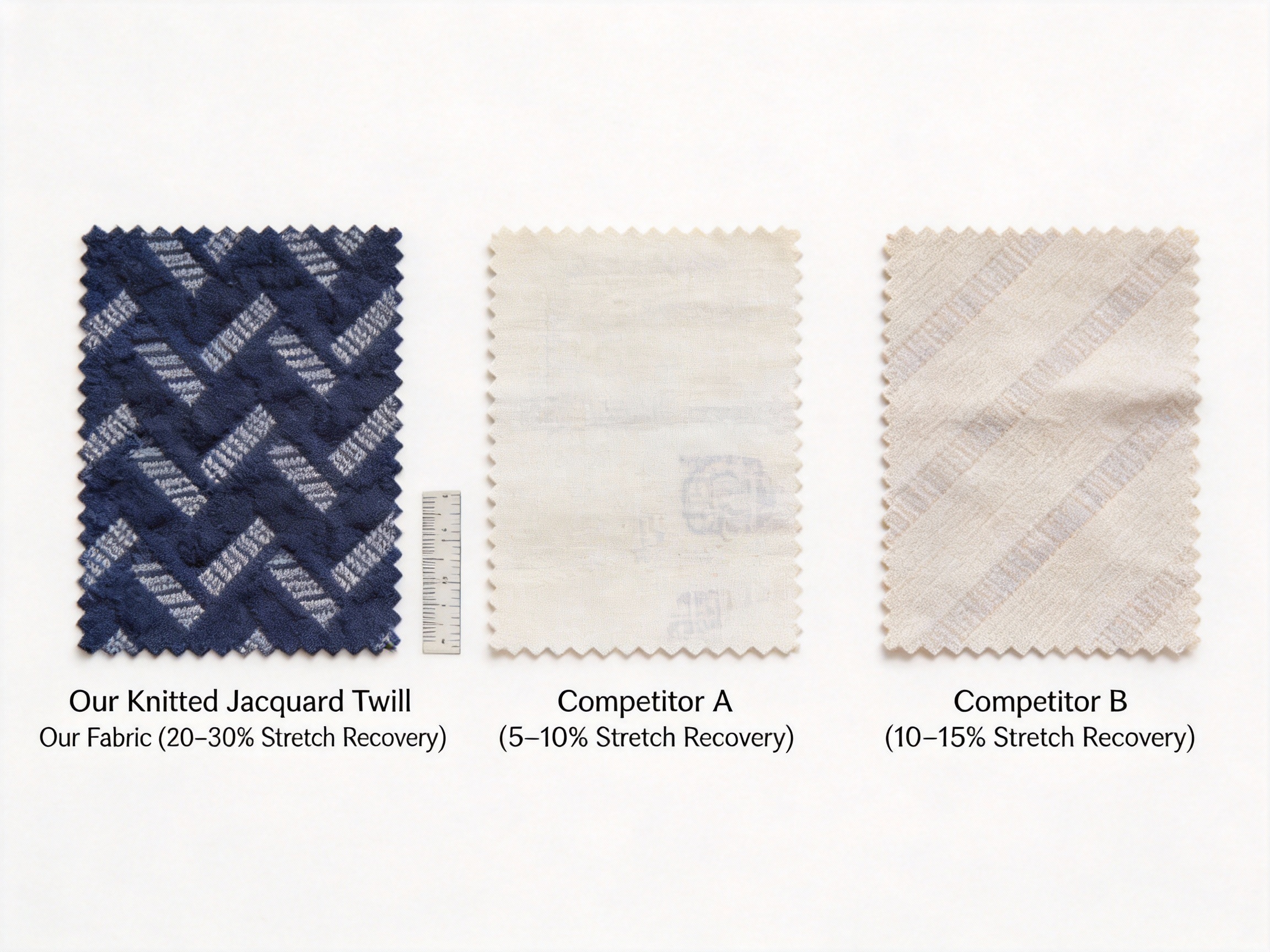
To understand the value of Knitted Jacquard Twill Fabric, it is essential to compare it to common alternatives in the market. Below is a detailed breakdown of its key advantages:
1. Material Blend Advantage
Many competitor fabrics rely on single materials (e.g., 100% polyester or cotton) or basic blends that lack the synergy of nylon and polyester. For example:
- 100% polyester jacquard fabrics offer durability but lack elasticity, making them unsuitable for body-hugging styles.
- 100% cotton jacquard twill is breathable but prone to wrinkling and shrinkage, and its elasticity is limited.
The nylon-polyester blend in this fabric addresses these gaps: it retains the best of both materials while minimizing their weaknesses. Nylon’s elasticity ensures a snug, comfortable fit, while polyester’s durability ensures the fabric lasts through repeated washes and wears.
2. Pattern Durability
Unlike printed jacquard fabrics (where patterns are applied via dye or ink), the patterns in this fabric are woven directly into the knit structure. This means the patterns will not fade, crack, or peel over time—even after dozens of washes. Competitor printed fabrics often lose their vibrancy after 10–15 washes, making them less cost-effective for long-term use.
3. Surface Texture and Functionality
The concave-convex surface texture of this fabric offers dual benefits: aesthetic appeal and functional performance. Visually, it adds depth and dimension to garments, elevating simple designs into statement pieces. Functionally, the raised areas reduce skin contact, improving breathability and reducing friction during physical activity. This makes it ideal for activewear, where comfort and performance are paramount.
4. Lightweight and Breathable
Many heavy twill fabrics are dense and restrictive, but this knitted variant is lightweight (typically 150–200 GSM) and highly breathable. The interlooped knit structure allows air to circulate freely, keeping the wearer cool and dry. This is a significant advantage over woven twill fabrics, which are often heavier and less breathable.
5. Customization Flexibility
Modern consumers and businesses demand personalized products, and this fabric delivers. Using advanced electronic jacquard knitting machines, manufacturers can create almost any pattern—from simple geometric shapes to complex floral designs—with high precision. This level of customization is unmatched by many competitors, who often rely on pre-set patterns or limited color palettes.
| Feature | Our Knitted Jacquard Twill | Competitor A (100% Polyester Jacquard) | Competitor B (100% Cotton Jacquard Twill) |
|---|---|---|---|
| Primary Material | Nylon-Polyester Blend | 100% Polyester | 100% Cotton |
| Elasticity (Stretch Recovery) | 20–30% | 5–10% | 10–15% |
| Pattern Durability | Woven-in (No Fading) | Printed (Fades After 10 Washes) | Woven-in (Fades Slowly) |
| Surface Texture | Concave-Convex | Flat | Slight Diagonal |
| Color Fastness (Wash) | 4.5/5 | 3/5 | 4/5 |
| Breathability | High | Medium | High |
| Suitable for Activewear | Yes | No | No |
Advanced Manufacturing Processes
The superior quality of Knitted Jacquard Twill Fabric is a direct result of advanced manufacturing processes that prioritize precision, consistency, and sustainability. Below is a step-by-step breakdown of the production workflow:
1. Yarn Selection and Preparation
The process begins with the selection of high-quality raw materials: DTY (Draw Textured Yarn) polyester and nylon. DTY polyester is chosen for its excellent bulk, elasticity, and resistance to wrinkles—key attributes for the final fabric. Nylon is added to enhance stretch and durability.
Before knitting, the yarns undergo rigorous testing to ensure they meet strict quality standards: tensile strength, evenness, and color consistency. The yarns are then dyed using reactive dyes—eco-friendly pigments that bond chemically with the fiber, ensuring long-lasting color fastness and resistance to fading.
2. Jacquard Knitting
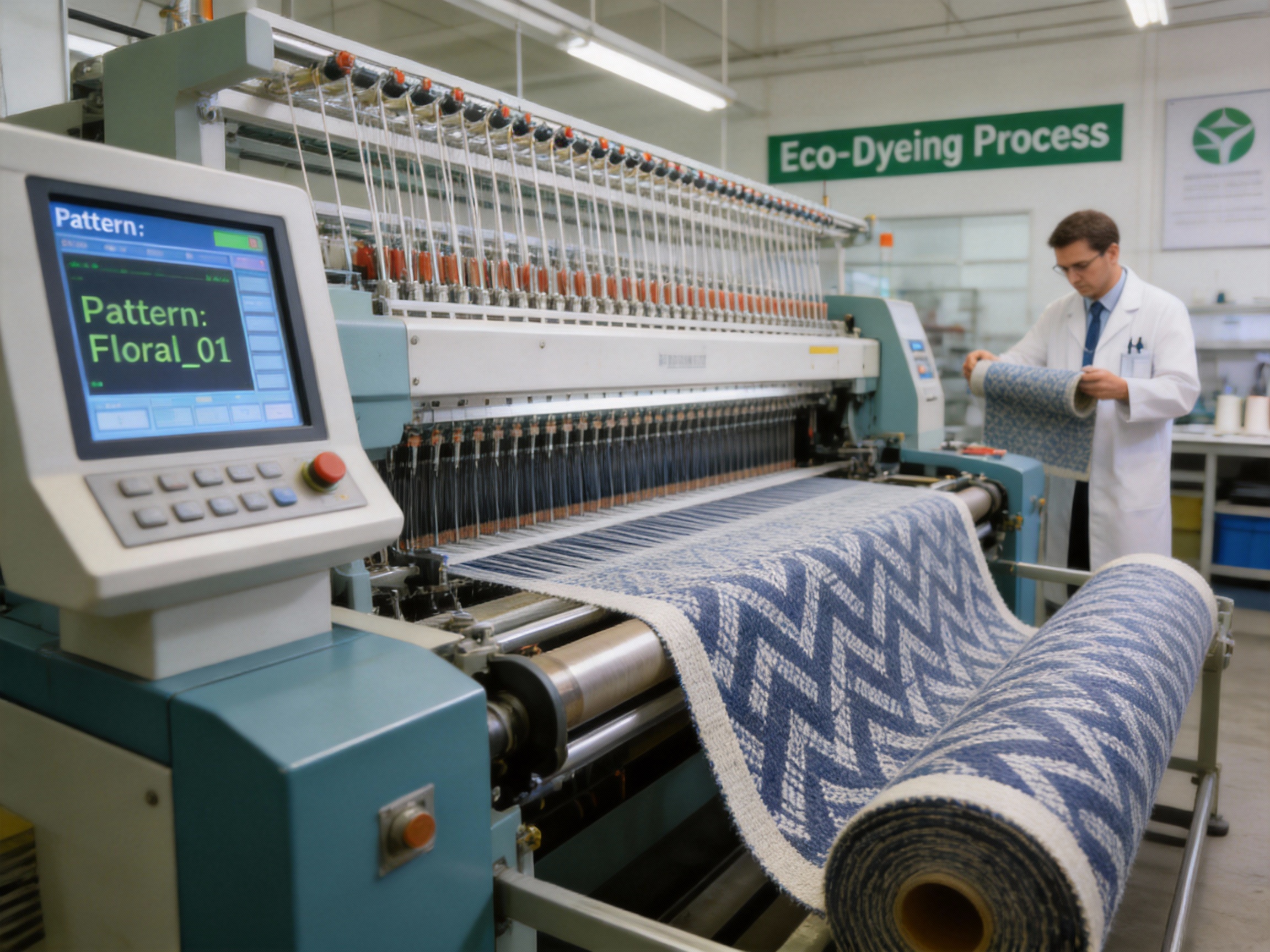
The core of the manufacturing process is electronic jacquard knitting. Modern jacquard knitting machines (equipped with computerized controls) can produce complex patterns with high precision. Each machine uses thousands of needles to interloop yarns, creating the twill structure and concave-convex surface.
During knitting, the machine adjusts yarn tension and loop size to achieve the desired texture and pattern. This level of control is impossible with manual or semi-automatic machines, ensuring that every meter of fabric is consistent in quality and design.
3. Post-Knitting Finishing
After knitting, the fabric undergoes a series of finishing treatments to enhance its performance and appearance:
- Softening: A natural softener is applied to improve the fabric’s hand feel, making it gentle against the skin.
- Anti-Pilling: A special treatment is used to prevent the formation of pills (tiny balls of fiber) on the surface, ensuring the fabric looks new for longer.
- Stretch Enhancement: A heat-setting process is applied to stabilize the fabric’s elasticity, ensuring it retains its shape after repeated stretching.
- Water Repellency (Optional): For outdoor or activewear applications, a water-repellent finish can be added to protect the fabric from moisture.
4. Quality Control
Quality control is integrated into every stage of the manufacturing process:
- Yarn Inspection: Yarns are checked for defects (e.g., knots, unevenness) before knitting.
- Knitting Defect Check: The fabric is inspected for pattern errors, loose loops, or uneven tension.
- Dyeing Consistency: Color fastness is tested using industry-standard methods (e.g., wash fastness, light fastness).
- Final Product Testing: The fabric is tested for stretch recovery, abrasion resistance, and breathability to ensure it meets or exceeds customer specifications.
Company Core Strengths
The production of high-quality Knitted Jacquard Twill Fabric is only possible with a manufacturer that combines technical expertise, production capacity, and customer-centric values. The company behind this fabric (a leading textile manufacturer in Hangzhou, China) stands out for its integrated approach to R&D, production, and sales:
1. Integrated R&D, Production, and Sales
The company operates as a one-stop solution for textile products, with in-house R&D, production, and sales teams. This integration allows for seamless collaboration between departments: the R&D team develops new fabric blends and patterns, the production team translates these designs into high-quality products, and the sales team ensures customers receive the right products for their needs. This approach reduces lead times and ensures consistency in quality.
2. Large-Scale Production Capacity
Located in the Jingjiang Street Industrial Park in Hangzhou, the company occupies 32.6 acres of land with a plant area of 18,000 square meters. Equipped with state-of-the-art jacquard knitting machines and finishing equipment, the company has a monthly production capacity of 500,000 meters of fabric. This capacity allows it to fulfill large orders for international clients while maintaining strict quality standards.
3. Export Capabilities
As a self-employed export company, the manufacturer has extensive experience in international trade. It handles all aspects of export, including customs clearance, logistics, and documentation, ensuring that products reach customers on time and in perfect condition. The company serves clients in over 20 countries, including the United States, Europe, and Southeast Asia.
4. Sustainable Practices
The company is committed to sustainability, with a focus on reducing its environmental footprint. It uses eco-friendly dyes and finishing treatments, recycles waste yarns, and implements energy-efficient manufacturing processes. This commitment to sustainability aligns with global trends and meets the demands of environmentally conscious customers.
5. Customer-Centric Approach
The company’s business philosophy—“cooperation, win-win”—guides its interactions with customers. It offers custom pattern and color options, flexible minimum order quantities (MOQs), and responsive customer support. Whether a client needs a small batch of custom fabric or a large order for mass production, the company adapts to meet their needs.
Applications of Knitted Jacquard Twill Fabric
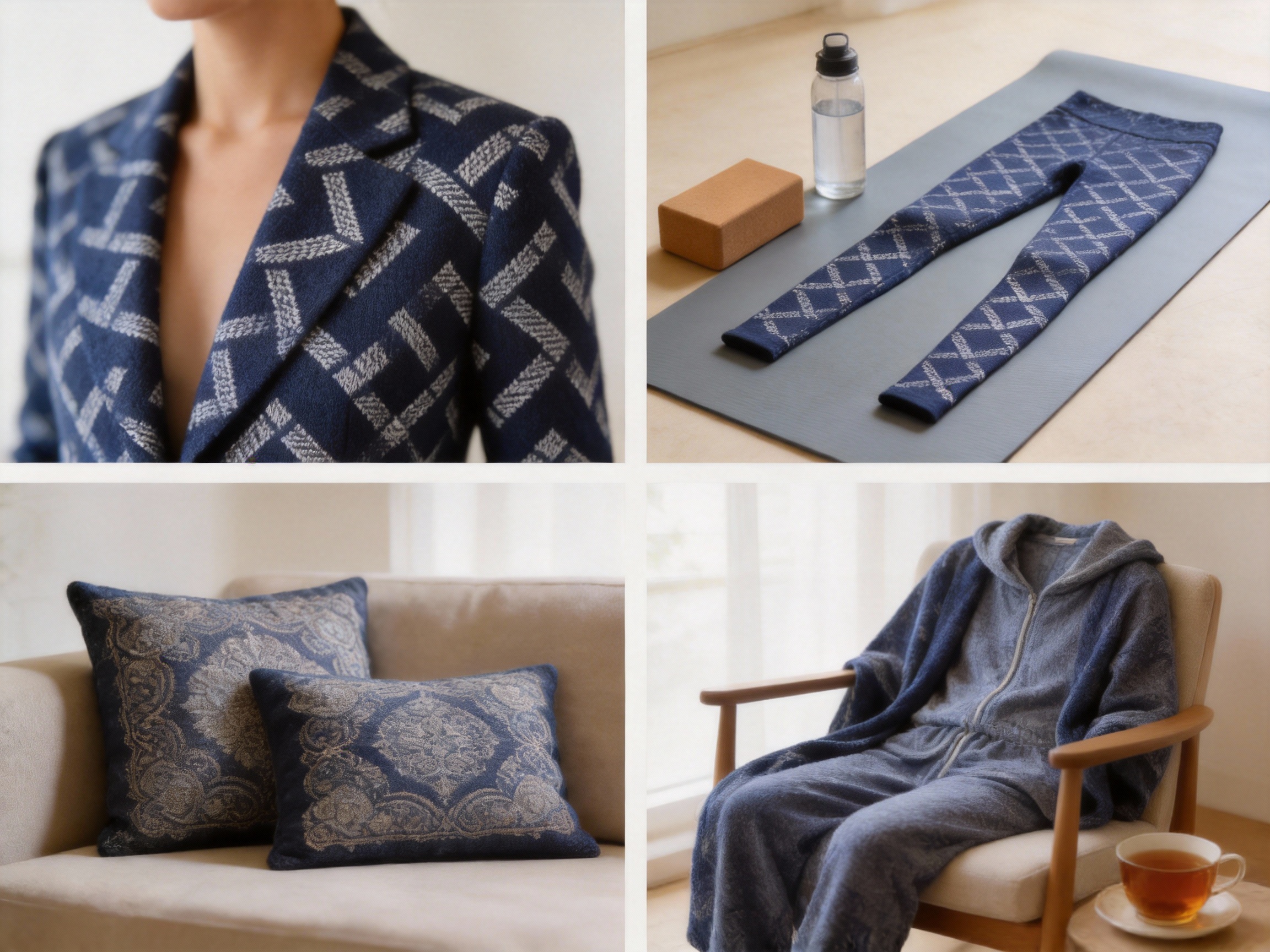
The versatility of Knitted Jacquard Twill Fabric makes it suitable for a wide range of applications, from apparel to home textiles. Below are some of the most common uses:
1. Activewear
The fabric’s elasticity, moisture-wicking properties, and durability make it ideal for activewear. It is used to make leggings, sports tops, yoga pants, and athletic shorts. The concave-convex surface reduces friction during physical activity, while the nylon-polyester blend ensures a snug, comfortable fit that moves with the body.
2. Formal Wear
The twill structure and intricate jacquard patterns add elegance to formal wear. It is used to make blazers, skirts, dresses, and ties. The fabric’s wrinkle resistance and color fastness ensure that formal garments look crisp and vibrant all day.
3. Loungewear
The soft hand feel and breathability of the fabric make it perfect for loungewear. It is used to make pajamas, robes, and lounge sets. The elasticity ensures comfort during relaxation, while the pattern customization allows for unique, stylish designs.
4. Home Textiles
The fabric’s durability and aesthetic appeal make it suitable for home textiles. It is used to make throw pillows, curtains, and upholstery fabric. The concave-convex surface adds texture to home decor, while the color fastness ensures that the fabric retains its vibrancy for years.
5. Accessories
The fabric is used to make a variety of accessories, including scarves, bags, and hats. The pattern customization allows for unique, personalized designs that stand out from mass-produced accessories.
Q&A Section
To address common questions about Knitted Jacquard Twill Fabric, we have compiled the following Q&A:
Q1: What sets your Knitted Jacquard Twill Fabric apart from other jacquard fabrics?
A: Our fabric combines a nylon-polyester blend for exceptional elasticity and durability, woven-in patterns that never fade, and a concave-convex surface that enhances comfort and performance. Unlike many competitors, we use advanced electronic jacquard knitting machines for precise pattern customization and integrate strict quality control into every stage of production.
Q2: Is the fabric suitable for sensitive skin?
A: Yes. Our fabric undergoes a softening treatment that makes it gentle against the skin. We also use eco-friendly dyes and finishing treatments that are free from harmful chemicals, ensuring it is safe for even the most sensitive skin.
Q3: Can I customize the pattern and color of the fabric?
A: Absolutely. Our electronic jacquard knitting machines allow for almost any pattern—from simple geometric shapes to complex floral designs—to be created with high precision. We also offer a wide range of dye colors, and we can match custom colors based on client specifications.
Q4: What is the minimum order quantity (MOQ) for custom orders?
A: The MOQ for custom patterns is 500 meters. However, we understand that small businesses may need smaller quantities, so we offer flexible MOQs for qualified clients. Please contact our sales team for more information.
Q5: Does the fabric have any certifications?
A: Yes. Our fabric is certified OEKO-TEX Standard 100, which means it is free from harmful substances such as heavy metals, formaldehyde, and phthalates. We also hold ISO 9001 certification for quality management, ensuring consistent product quality.
Q6: How long does it take to produce a custom order?
A: The lead time for custom orders is typically 15–20 days, depending on the complexity of the pattern and the order quantity. For large orders, we can adjust the lead time to meet client deadlines.
References
1. Textile Institute. (2022). Advanced Knitting Technologies: Jacquard and Beyond. Manchester, UK: Textile Institute Press.
2. Smith, J. (2021). Nylon Blends in Textiles: Performance and Applications. New York: CRC Press.
3. Global Textile Report. (2023). Market Trends for Customizable Fabrics. Geneva: World Trade Organization.
4. Lee, S. (2020). Quality Control in Textile Manufacturing: Best Practices. Singapore: Springer.
5. OEKO-TEX Association. (2022). Standard 100 by OEKO-TEX: Guidelines for Textile Safety. Zurich, Switzerland: OEKO-TEX Association.
In conclusion, Knitted Jacquard Twill Fabric represents the future of textiles—combining aesthetic appeal, functional performance, and customization flexibility. Its unique blend of materials, advanced manufacturing processes, and company strengths make it a top choice for businesses and consumers seeking high-quality, versatile fabrics. As the textile industry continues to evolve, this fabric will undoubtedly play a key role in shaping the next generation of apparel and lifestyle products.
