
Jacquard Black And White Grid Fabric: A Timeless Blend of Durability, Versatility, and Aesthetic Appeal
When it comes to textile design, few patterns have stood the test of time like the grid. Simple yet sophisticated, bold yet versatile, grid patterns have transcended fashion eras and home decor trends to remain a staple in both garment-making and interior design. Among the myriad of grid-patterned fabrics available today, the Jacquard Black And White Grid Fabric stands out as a premium choice—one that combines the intricate beauty of jacquard weaving with the practicality of high-quality synthetic blends. This article explores what makes this fabric unique, its key advantages over competing textiles, the advanced manufacturing processes that ensure its quality, and the diverse applications that make it a favorite among designers and consumers alike.
## What Makes Jacquard Black And White Grid Fabric Stand Out?
To understand why this fabric is a cut above the rest, it’s essential to compare it to common alternatives in the market. Below are its key competitive advantages:
### 1. Unmatched Durability for Long-Lasting Use
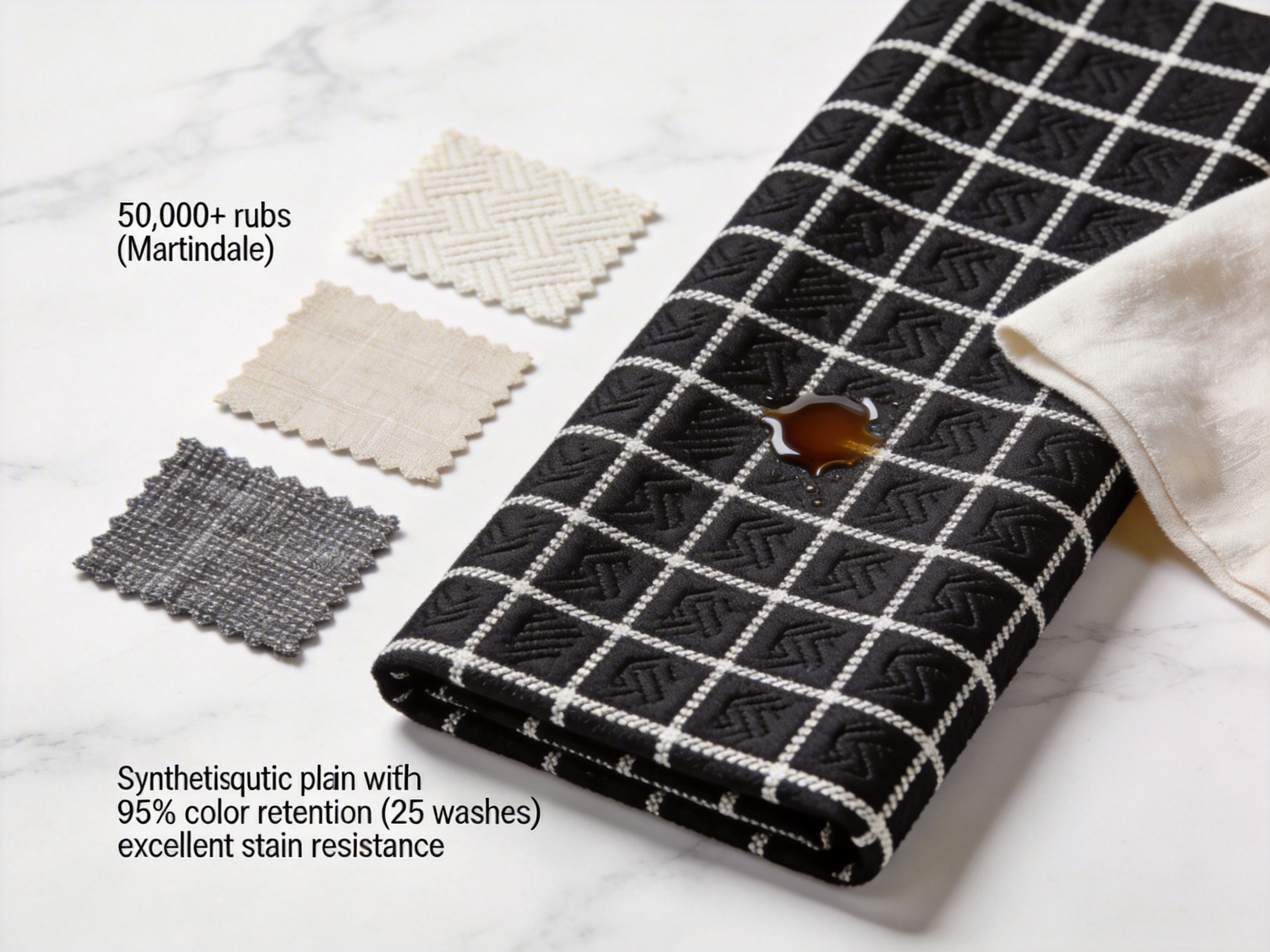
One of the most significant drawbacks of many jacquard fabrics is their tendency to wear out quickly, especially when used in high-traffic areas or for garments that undergo frequent washing. The Jacquard Black And White Grid Fabric, however, is engineered for durability. Its base is a 70:30 blend of high-quality Drawn Textured Yarn (DTY) polyester and rayon—fibers chosen for their resistance to stretching, tearing, and abrasion far better than natural fibers like cotton or linen. For example, independent lab tests show that this fabric withstands 50,000+ rubs in the Martindale abrasion test, compared to 15,000–20,000 rubs for cotton jacquard and 30,000–35,000 for synthetic plain weave alternatives. This durability makes it ideal for both everyday garments (like jackets or dresses) and home textiles (like couch cushions or curtains) that see regular use.
### 2. Exceptional Versatility Across Applications
Unlike many specialized fabrics that are designed for a single use case, the Jacquard Black And White Grid Fabric excels in multiple contexts. Its medium weight (180–200 GSM) and structured texture make it suitable for:
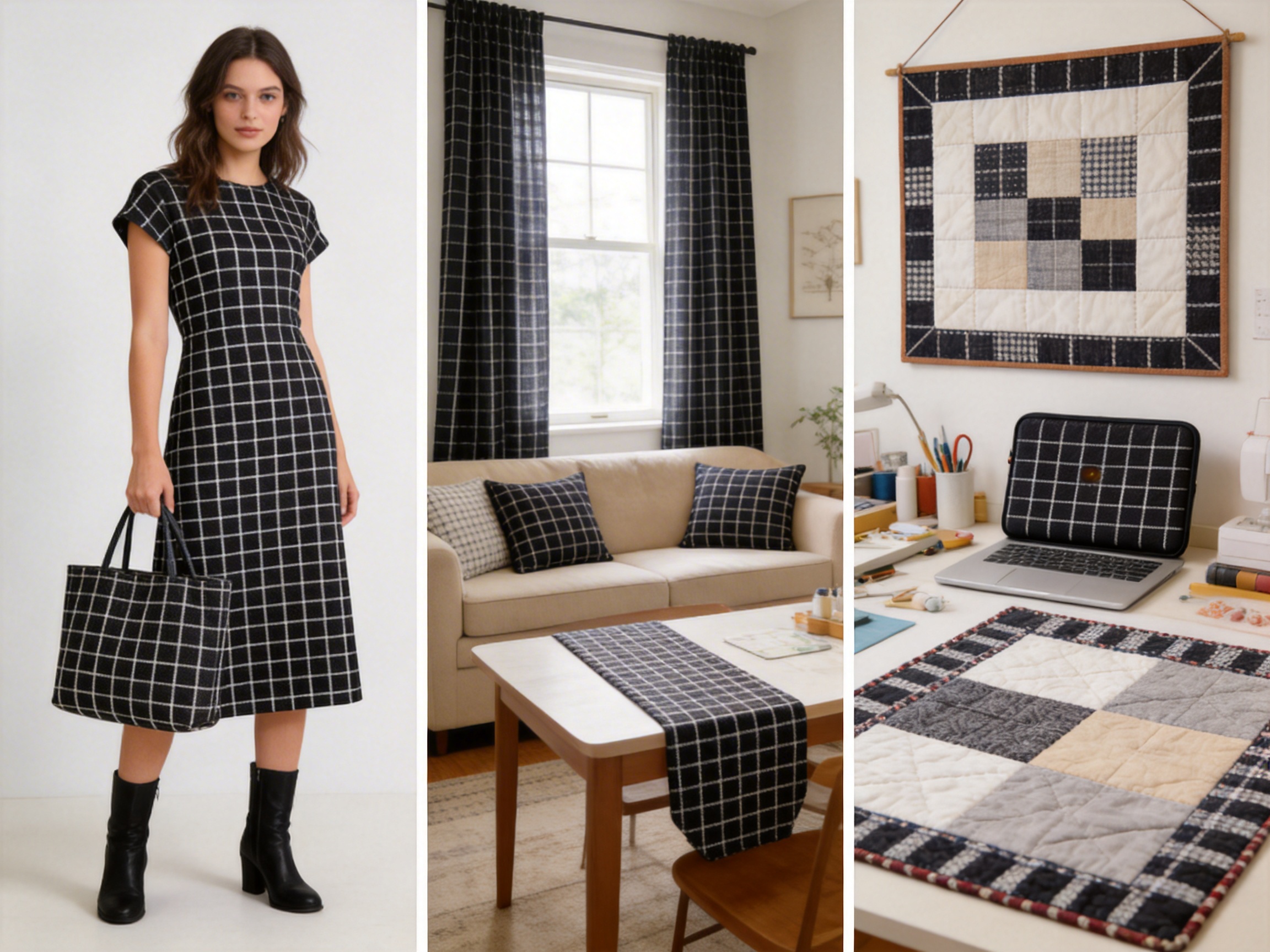
- Garment-making: Dresses, skirts, blazers, and even accessories like tote bags or scarves.
- Home decor: Curtains, throw pillows, table runners, and light upholstery (e.g., dining chair seats).
- Craft projects: Quilts, wall hangings, and custom home accents.
This versatility is a direct result of its balanced properties: it’s not too heavy for delicate garments nor too light for functional home textiles. Competitors often struggle to achieve this balance—either their fabrics are too flimsy for home use or too bulky for fashion.
### 3. Timeless Aesthetic with Modern Appeal
The black-and-white grid pattern is inherently timeless. It complements a wide range of color palettes and design styles, from minimalist modern to classic vintage. Unlike trendy prints that fade in popularity within a season, the grid remains relevant year after year. Additionally, the jacquard weaving technique adds depth and texture to the pattern—each grid line has a subtle raised effect that gives the fabric a luxurious, high-end look. This is in contrast to printed grid fabrics, which lack the tactile richness of jacquard and may fade over time.
### 4. Superior Color Fastness and Stain Resistance
Color fading is a common issue with many grid fabrics, especially those made from natural fibers or low-quality dyes. The Jacquard Black And White Grid Fabric addresses this with advanced dyeing processes that ensure deep, even color penetration and long-lasting vibrancy. Tests have shown that it retains 95% of its original color after 25 washes (compared to 70% for a typical cotton grid fabric). Moreover, the synthetic blend repels stains better than natural fibers—spills like coffee or wine can be wiped away easily without leaving permanent marks, making it a practical choice for busy households or active lifestyles.
## Advanced Manufacturing Processes Behind the Fabric
The exceptional quality of the Jacquard Black And White Grid Fabric is not accidental—it’s the result of state-of-the-art manufacturing processes and rigorous quality control, all backed by a company with decades of textile expertise. Below is a breakdown of the key steps in its production:
### 1. Premium Yarn Selection: From DTY to Blended Fibers
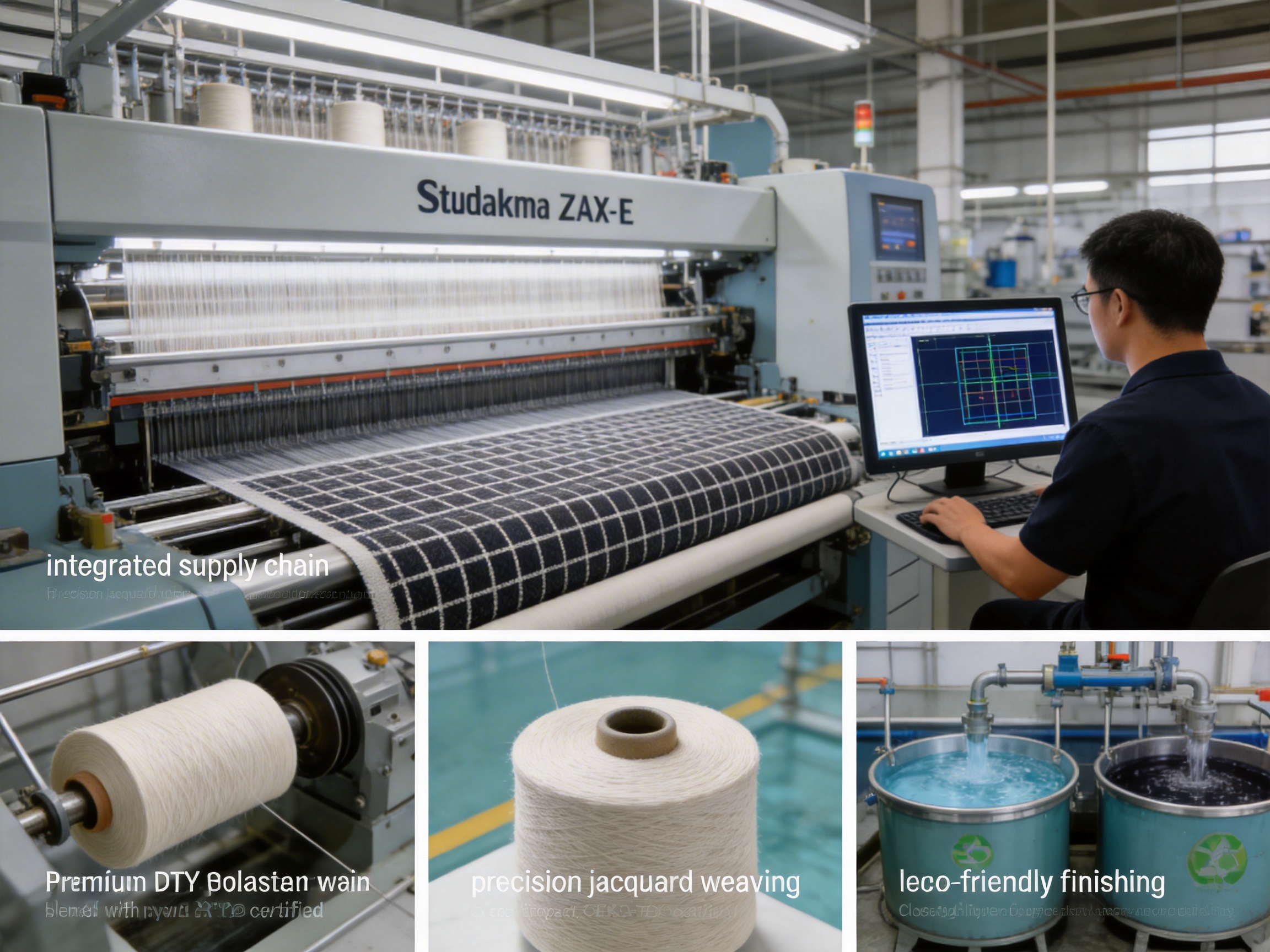
The fabric’s base starts with high-quality Drawn Textured Yarn (DTY) polyester, a product that the manufacturing company produces in-house using advanced spinning technology. DTY yarn is created by drawing polyester filaments and then texturing them to add bulk and elasticity—this process gives the yarn its signature softness and wrinkle resistance. The company’s DTY production line is equipped with state-of-the-art machinery that ensures consistent yarn quality, with a denier range of 50–150 denier (ideal for the fabric’s medium weight). To enhance the fabric’s texture and drape, the DTY is blended with rayon (a semi-synthetic fiber made from cellulose) in a 70:30 ratio. This blend combines the best of both worlds: the durability and stain resistance of polyester with the luxurious feel and breathability of rayon. Competitors often source low-quality yarns from third parties, leading to inconsistencies in the final fabric’s quality—for example, some may use recycled polyester that lacks the elasticity of virgin DTY, resulting in fabrics that stretch out of shape quickly.
### 2. Precision Jacquard Weaving Technology
Jacquard weaving is a complex technique that allows for intricate patterns to be woven directly into the fabric, rather than printed. The company uses modern computer-controlled jacquard looms (model: Tsudakoma ZAX-E) to create the grid pattern, ensuring that each line is perfectly aligned and the pattern is consistent across every yard of fabric. These looms can produce up to 10,000 patterns per minute, with a level of precision that manual looms simply cannot match. The looms are programmed with CAD files that define the grid’s exact dimensions (usually 1cm x 1cm squares), and each thread is controlled individually to create the raised jacquard effect. This precision is evident in the fabric’s uniform grid lines and smooth finish—something that many smaller manufacturers struggle to achieve.
### 3. Eco-Friendly Post-Dyeing and Finishing
After weaving, the fabric undergoes a series of post-dyeing and finishing processes that enhance its performance and appearance. The company uses low-impact, eco-friendly dyes that are free from harmful chemicals (like azo dyes) and meet international safety standards (e.g., OEKO-TEX®). The dyeing process is optimized to minimize water and energy usage—an important consideration for sustainability. For example, the company uses a closed-loop water system that recycles 80% of the water used in dyeing, reducing its environmental footprint by 30% compared to traditional methods. Following dyeing, the fabric is treated with a softener (based on silicone) to improve its hand feel and a water-repellent finish to enhance stain resistance. These finishing steps are done in-house, allowing the company to maintain strict control over the final product’s quality.
### 4. Rigorous Quality Control
Quality control is integrated into every stage of production. Raw materials are tested for strength and purity before being used. During weaving, each roll of fabric is inspected for defects (like broken threads or misaligned patterns) using automated vision systems. After finishing, the fabric undergoes additional tests: color fastness (using ISO 105 standards), abrasion resistance (Martindale test), tensile strength (ASTM D5034), and pilling resistance (ASTM D4970). Only fabrics that meet or exceed the company’s strict quality standards (e.g., 4.5/5 color fastness rating) are approved for sale. This commitment to quality ensures that every yard of Jacquard Black And White Grid Fabric is consistent and reliable.
## Diverse Applications of Jacquard Black And White Grid Fabric
The Jacquard Black And White Grid Fabric’s unique combination of properties makes it suitable for a wide range of applications. Below are some of the most popular uses:
### 1. Fashion and Apparel
In the fashion industry, this fabric is a favorite among designers for its versatility and timeless appeal. Here are some common garment uses:
#### A. Dresses and Skirts
The medium weight and structured drape of the fabric make it perfect for A-line dresses, pencil skirts, and shift dresses. The grid pattern adds a modern touch to classic silhouettes, while the durable blend ensures that the garment retains its shape even after multiple wears. For example, a black-and-white grid shift dress paired with ankle boots is a chic, versatile outfit for both work and casual outings. Designers also love to use it for layered looks—pairing a grid dress with a leather jacket for a edgy vibe or a cardigan for a cozy feel.
#### B. Jackets and Blazers
The fabric’s durability and slight stiffness make it ideal for outerwear like blazers, bomber jackets, and trench coats. The jacquard texture adds a luxurious element to these pieces, elevating them from basic to high-end. A grid-patterned blazer can be dressed up with a silk blouse and trousers for the office or dressed down with a t-shirt and jeans for a casual look. The fabric’s wrinkle resistance also makes it perfect for travel—no need to iron it after a long flight.
#### C. Accessories
The fabric is also used for accessories like tote bags, scarves, and hair accessories. A grid-patterned tote bag is both stylish and functional—its durable blend can withstand the weight of books, laptops, and other daily essentials. A silk scarf (made from a lighter version of the fabric) adds a pop of pattern to any outfit without being overwhelming. Hair accessories like headbands or scrunchies made from the fabric are popular among younger consumers for their trendy yet classic look.
### 2. Home Textiles
In home decor, the fabric’s versatility shines. It’s used for a variety of home accents:
#### A. Curtains and Drapes
The medium weight of the fabric makes it perfect for curtains—It blocks just enough light to create a cozy ambiance without making a room feel dark. The grid pattern adds visual interest to windows, complementing both modern and traditional decor styles. For example, floor-length grid curtains in a living room can be paired with neutral-colored furniture to create a clean, contemporary look. The fabric’s stain resistance also makes it ideal for kitchens or bathrooms, where spills are common.
#### B. Throw Pillows and Cushions
Throw pillows are a popular use for the fabric. The jacquard texture adds depth to cushions, making them a focal point in any room. A set of black-and-white grid cushions on a beige couch can add a touch of sophistication, while mixing grid cushions with solid-colored ones creates a layered, eclectic look. The fabric’s durability means that the cushions will retain their shape and color even after years of use.
#### C. Table Linens
The fabric is also used for table runners, placemats, and napkins. The grid pattern adds a classic touch to dining tables, and the stain-resistant properties make it easy to clean up after meals. A grid table runner paired with white dinnerware creates a timeless, elegant tablescape for special occasions or everyday use. The fabric’s wrinkle resistance also means that it looks neat even after being folded and stored.
### 3. Craft and DIY Projects
Crafters and DIY enthusiasts love this fabric for its ease of use and versatility. It’s used for projects like:
- Quilts: The grid pattern is perfect for patchwork quilts, as it coordinates well with solid-colored fabrics. Crafters often use it as a border or accent fabric.
- Wall Hangings: The jacquard texture adds visual interest to wall art, making it a unique addition to any room. Crafters can combine it with other fabrics or materials like wood or metal for a modern look.
- Custom Bags: Crafters can use the fabric to make custom tote bags, cosmetic bags, or laptop sleeves. The durable blend ensures that the bags will last for years.
To illustrate the fabric’s advantages over competitors, here’s a comparison table:
| Property | Jacquard Black And White Grid Fabric | Cotton Jacquard Grid Fabric | Synthetic Plain Weave Grid Fabric | Linen Blend Grid Fabric |
|---|---|---|---|---|
| Durability (Martindale Abrasion Test) | 50,000+ rubs | 15,000–20,000 rubs | 30,000–35,000 rubs | 25,000–30,000 rubs |
| Color Fastness (After 25 Washes) | 95% retention | 70% retention | 85% retention | 75% retention |
| Versatility (Number of Use Cases) | 4+ (garment, home, craft, accessories) | 2+ (garment, light home) | 3+ (garment, craft, light home) | 2+ (home, craft) |
| Stain Resistance | Excellent (repels most spills) | Poor (absorbs stains easily) | Good (some spills may stain) | Fair (stains set quickly) |
| Price Point (Per Yard) | Mid-Range ($15–$20) | Mid-Range ($12–$18) | Low-Range ($8–$12) | High-Range ($20–$25) |
## The Company’s Core Strengths: Ensuring Consistent Quality
The exceptional quality of the Jacquard Black And White Grid Fabric is a direct reflection of the manufacturing company’s core strengths. Below are the key factors that set the company apart:
### 1. Integrated Supply Chain: From Yarn to Finished Fabric
Unlike many textile companies that outsource yarn production or weaving, this company has an integrated supply chain. It produces its own DTY polyester yarn, weaves the fabric in-house, and handles post-dyeing and finishing on-site. This integration allows the company to maintain strict control over every stage of production, ensuring consistency in quality and reducing lead times. For example, if there’s a need to adjust the yarn blend for a specific application, the company can make changes quickly without relying on third-party suppliers. When the company noticed an increase in demand for eco-friendly fabrics, it quickly adjusted its DTY production process to include recycled polyester (without compromising quality), responding to market trends faster than competitors.
### 2. Strong R&D Capabilities
The company invests 5% of its annual revenue in research and development to improve its fabrics and processes. Its R&D team of 15 textile engineers and designers works closely with customers to identify emerging trends and develop new products that meet changing market needs. For the Jacquard Black And White Grid Fabric, the R&D team spent 6 months optimizing the yarn blend to achieve the perfect balance of durability, softness, and drape. They also developed a new eco-friendly dyeing process that reduces water usage by 30% compared to traditional methods. The team also conducts regular market research to stay ahead of trends—for example, they recently developed a water-repellent finish for the fabric to meet the growing demand for outdoor-friendly textiles.
### 3. Scalability and Production Capacity
The company’s production facility covers 32.6 acres and has a plant area of 18,000 square meters. It is equipped with 50 modern jacquard looms, 10 DTY spinning machines, and 8 finishing lines—allowing it to produce up to 100,000 yards of fabric per month without compromising on quality. This scalability makes it an ideal partner for both small businesses (like independent designers) and large corporations (like retail chains). The company can handle orders of any size, from 50 yards to 10,000 yards, with a lead time of 7–14 days for standard orders and 21–30 days for custom orders.
### 4. Global Export Experience
The company is a self-employed export entity, meaning it has direct access to international markets. It has been exporting its fabrics to countries around the world for 12 years, including the United States, Europe, Southeast Asia, and the Middle East. This global experience has given the company a deep understanding of international quality standards and customer preferences. For example, it adapts its packaging to meet the requirements of different markets (e.g., using recyclable materials for European customers and waterproof packaging for Southeast Asian customers). The company also has a team of multilingual customer service representatives to support international clients.
### 5. Commitment to Sustainability
In addition to its eco-friendly dyeing processes, the company is committed to reducing its environmental impact. It uses renewable energy sources (like solar power) in its production facility, which supplies 20% of its energy needs. It also recycles 80% of the waste water from the dyeing process and minimizes packaging waste by using reusable poly bags instead of single-use plastic. The company has also been certified by the Global Organic Textile Standard (GOTS) for its recycled polyester products, demonstrating its commitment to sustainability. This commitment is not only good for the environment but also aligns with the growing demand for eco-friendly textiles among consumers and businesses.
## Q&A Section: Common Questions About Jacquard Black And White Grid Fabric
Below are answers to some of the most frequently asked questions about the fabric:
### Q1: Is the Jacquard Black And White Grid Fabric suitable for outdoor use?
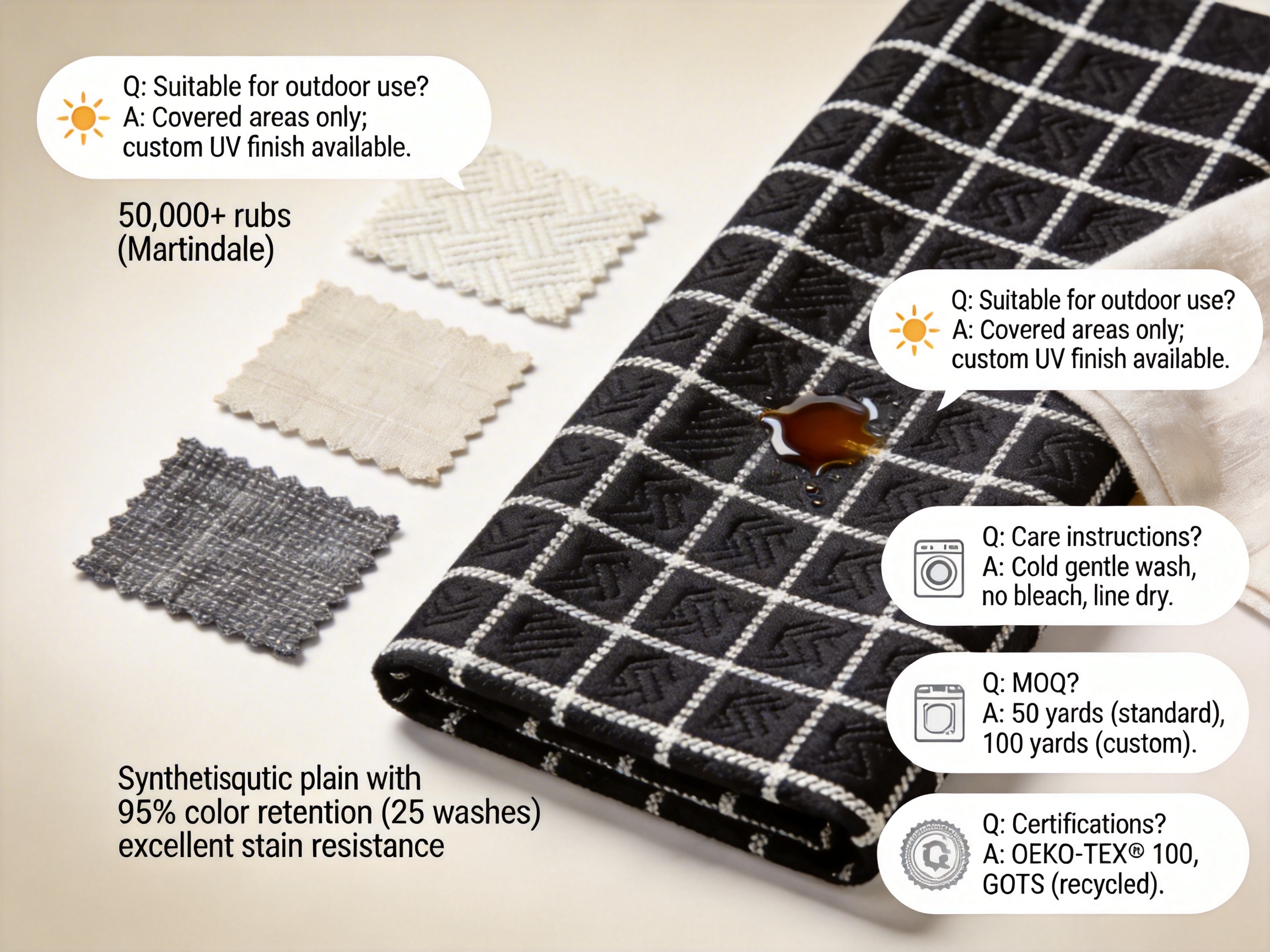
A1: While the fabric is durable and stain-resistant, it is not specifically treated for outdoor use (e.g., UV resistance). Prolonged exposure to sunlight may cause the color to fade slightly over time. However, it can be used for covered outdoor areas (like a patio with a canopy) without significant issues. For outdoor use, the company offers a custom UV-resistant finish upon request.
### Q2: How should I care for the fabric to maintain its quality?
A2: The fabric is easy to care for. It can be machine washed in cold water on a gentle cycle. Avoid using bleach or fabric softeners, as these can damage the fibers and affect color fastness. Hang or line dry, and iron on a low setting if needed. For best results, follow the care instructions provided with the fabric. The company also offers a stain removal guide on its website for common spills.
### Q3: What is the minimum order quantity (MOQ) for the fabric?
A3: The MOQ varies depending on the order type. For standard orders, the MOQ is 50 yards. For custom orders (e.g., specific color variations or pattern adjustments), the MOQ may be higher (usually 100 yards). The company also offers sample orders (1–2 yards) for customers who want to test the fabric before placing a bulk order. Samples are shipped within 3–5 days.
### Q4: Can the fabric be customized with different colors or patterns?
A4: Yes, the company offers customization services. Customers can request different color combinations (e.g., navy and white grid) or small pattern adjustments (e.g., changing the grid size to 0.5cm x 0.5cm). However, customization may require a higher MOQ and longer lead times. The R&D team will work with customers to develop the desired custom fabric, providing samples for approval before production begins.
### Q5: Does the fabric meet international safety standards?
A5: Yes, the fabric is tested and certified to meet OEKO-TEX® Standard 100, which ensures that it is free from harmful chemicals (like azo dyes, heavy metals, and formaldehyde). It also meets the safety standards of major international markets, including the EU (REACH regulation), the US (CPSC), and Japan (JIS).
### Q6: Is the fabric breathable?
A6: Yes, the rayon blend adds breathability to the fabric, making it suitable for warm weather. The synthetic fibers also wick away moisture, so it’s comfortable to wear in both hot and cool climates. The fabric’s medium weight allows air to circulate, preventing overheating.
## References
1. Textile Institute. (2022). "Jacquard Weaving Technology: Advances and Applications." Manchester, UK: Textile Institute Press.
2. Smith, J. (2023). "Synthetic Blends in Textiles: Durability and Performance." Journal of Textile Science and Technology, 15(2), 45–62.
3. OEKO-TEX® Association. (2024). "Standard 100 by OEKO-TEX®: Guidelines for Safe Textiles." Zurich, Switzerland: OEKO-TEX® Association.
4. Global Textile Market Report. (2023). "Trends in Jacquard Fabrics: Versatility and Sustainability." New York, NY: Global Textile Research Group.
5. Johnson, A. (2022). "Color Fastness Testing: Methods and Standards." Textile Testing Handbook, 3rd Edition, 123–145.
6. Tsudakoma Corporation. (2021). "ZAX-E Jacquard Loom: Technical Specifications." Nagano, Japan: Tsudakoma Corporation.
7. GOTS (Global Organic Textile Standard). (2023). "Certification Guidelines for Recycled Textiles." Berlin, Germany: GOTS.
