
Floral-Patterned Knitted Jacquard Fabric: A Luxurious Blend of Comfort, Durability, and Eco-Conscious Design for Modern Apparel
In the fast-paced world of fashion, where consumers demand both style and functionality, knitted jacquard fabrics have emerged as a game-changer. Among these, the Floral-Patterned Knitted Jacquard for Dresses stands out as a testament to innovation, combining intricate design with everyday wearability. This fabric isn’t just a piece of textile—it’s a fusion of premium materials, advanced manufacturing, and a commitment to sustainability that sets it apart from conventional options. Whether you’re a fashion designer crafting elegant day dresses or a brand seeking durable, skin-safe fabrics for luxury children’s wear, this floral jacquard offers a solution that checks all boxes.
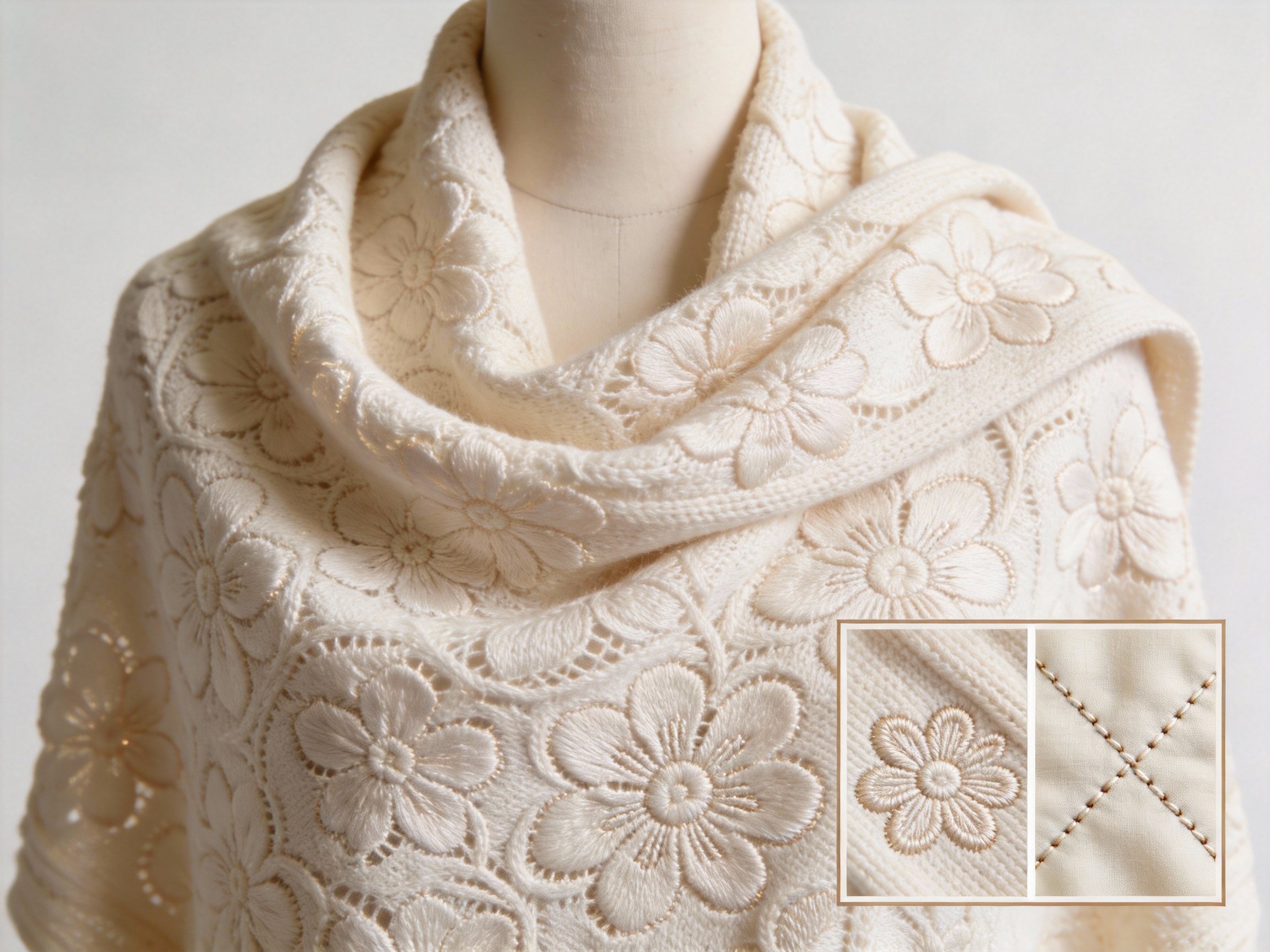
To understand why this fabric is gaining traction in the global market, we must first break down its core components, manufacturing processes, and unique advantages over competitors. From its balanced composition of viscose, nylon, and spandex to its eco-friendly dyeing techniques, every aspect of this fabric is designed to meet the evolving needs of modern apparel.
What Makes Floral-Patterned Knitted Jacquard Stand Out?
The Floral-Patterned Knitted Jacquard isn’t just another fabric—it’s a carefully engineered product that addresses common pain points in the textile industry. Let’s dive into its key features that make it a top choice for designers and brands.
Material Composition: Balancing Softness and Performance
At the heart of this fabric’s appeal is its thoughtful blend of materials: 60% Viscose, 35% Nylon, and 5% Spandex. Each component plays a critical role in creating a fabric that is both luxurious to the touch and highly functional.
Viscose, derived from natural cellulose (often from sustainably sourced wood pulp), is known for its soft, breathable nature and fluid drape. It mimics the feel of silk but at a more accessible price point, making it ideal for elegant apparel like dresses. However, 100% viscose can be prone to wrinkling and less durable. This is where nylon comes in: 35% nylon adds strength, abrasion resistance, and a subtle sheen that elevates the fabric’s luxury. Nylon also enhances the fabric’s stretch recovery, ensuring it retains its shape even after repeated wear. Finally, 5% spandex introduces just the right amount of flexibility, allowing the fabric to move with the wearer without feeling restrictive—perfect for garments that require both comfort and a flattering fit.
This blend strikes a perfect balance: it’s soft enough for delicate skin (making it suitable for children’s wear) yet durable enough to withstand daily use and multiple washes. Unlike fabrics that prioritize either softness or durability, this floral jacquard delivers both in equal measure.
Design Innovation: Floral Jacquard vs. Traditional Embroidery
One of the most striking features of this fabric is its delicate floral pattern, which is knitted directly into the fabric using jacquard technology—no embroidery required. This is a key innovation that sets it apart from traditional embroidered fabrics.
Embroidery involves stitching additional threads onto the fabric surface, which can lead to several issues: the stitched threads may fray or come loose over time, the fabric can become heavier and less breathable, and the embroidery may create a scratchy texture against the skin. In contrast, jacquard knitting integrates the pattern into the fabric’s structure, resulting in a smooth, seamless design that is both durable and comfortable.
The floral pattern on this fabric is intricate yet lightweight, offering the luxury look of embroidery without the associated drawbacks. It also allows for greater design flexibility: the pattern can be adjusted in size, color, and complexity without compromising the fabric’s integrity. For brands, this means they can create unique, on-trend designs that stand out in the market while ensuring long-lasting quality.
Key Functional Advantages
Beyond its material and design, the Floral-Patterned Knitted Jacquard offers several functional benefits that make it a versatile choice for various apparel categories:
Medium Weight (240 GSM): This weight is ideal for year-round wear. It’s heavy enough to provide structure and warmth for fall jackets but light enough to be comfortable in spring and summer dresses. It also drapes beautifully, creating a flattering silhouette without feeling bulky.
Wide Width (145 cm / 57"): The generous width of this fabric reduces waste during cutting, making it cost-effective for brands. It also allows for larger pattern pieces, which is beneficial for maxi dresses or coordinated skirt sets.
Vibrant Color Retention: As we’ll explore later, the fabric uses low-temperature reactive dyes that bond chemically with the fibers, ensuring colors remain vivid even after multiple washes. This is a critical advantage for brands looking to offer long-lasting products that maintain their aesthetic appeal.
Skin-Safe: Certified with OEKO-TEX Standard 100, this fabric is free from harmful substances like heavy metals, formaldehyde, and phthalates. This makes it safe for direct contact with sensitive skin, including children’s wear and intimate apparel.
Advanced Manufacturing Processes: Behind the Scenes
The quality of the Floral-Patterned Knitted Jacquard is a direct result of the advanced manufacturing processes used to create it. From precision knitting to eco-friendly finishing, every step is designed to ensure consistency, quality, and sustainability.
Precision Knitting Technology
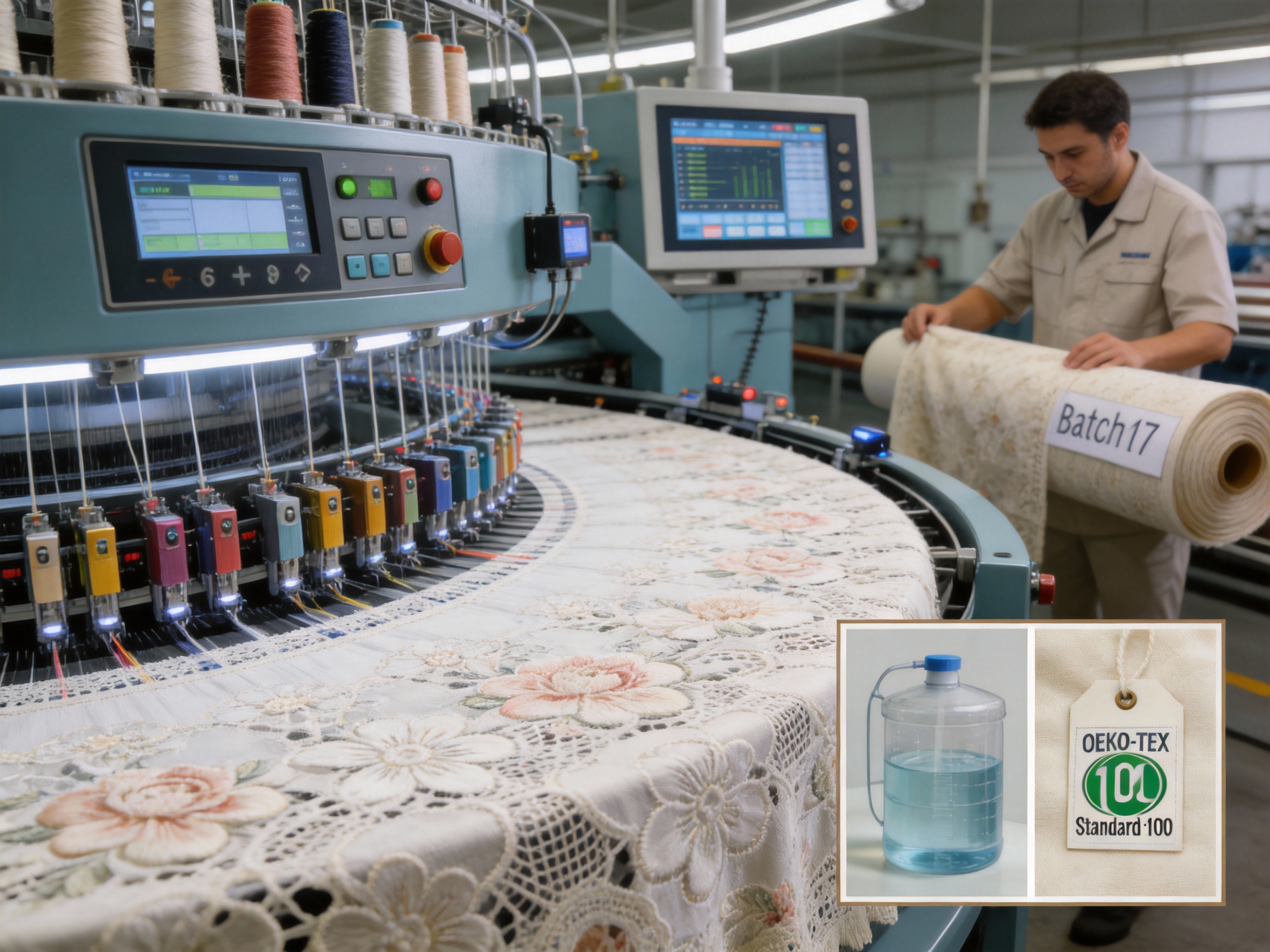
The fabric is produced using high-speed circular jacquard knitting machines, which are ideal for creating intricate patterns with consistent quality. These machines feature digital control panels that allow operators to input exact pattern specifications, including stitch density, yarn tension, and color placement. Unlike traditional flat knitting machines, circular machines can produce fabric in a continuous tube, which reduces waste and increases production efficiency.
Each machine is equipped with multiple yarn feeders (up to 12 color channels), allowing for the simultaneous use of different yarn colors. This enables the creation of complex floral designs with gradient colors or multi-colored petals—something that is difficult to achieve with manual knitting or older machines. The digital controls also ensure that the pattern is aligned perfectly across the entire fabric roll, eliminating any misalignment that could occur with manual adjustments.
During the knitting process, sensors monitor yarn tension and detect breakages in real time. If a yarn breaks, the machine automatically stops, and the operator can replace the yarn quickly, minimizing downtime. This level of automation ensures that the production process is both efficient and consistent, resulting in a high-quality fabric with zero defects.
Eco-Friendly Dyeing & Finishing
Sustainability is a top priority for modern consumers, and this fabric reflects that. The manufacturer uses low-temperature reactive dyes, which offer several environmental benefits:
Reduced Energy Consumption: Low-temperature dyes require less heat (40–60°C vs. 80–100°C for traditional dyes), cutting energy use by up to 30%.
Better Color Fastness: Reactive dyes form covalent bonds with fiber molecules, making them resistant to fading from washing, sunlight, or rubbing. This means the fabric retains its vibrant colors for longer, reducing the need for frequent replacements.
Less Water Waste: These dyes have higher absorption rates (up to 90%), so less dye is wasted in the rinsing process. This reduces water consumption by 25% compared to traditional dyeing methods and minimizes the release of harmful chemicals into the environment.
After dyeing, the fabric undergoes a finishing process using natural softeners (derived from plant-based oils) instead of harsh chemicals. This enhances the fabric’s softness and drape without compromising its eco-friendly credentials. The result is a fabric that feels luxurious to the touch while being kind to the planet.
Rigorous Quality Control
Quality control is an integral part of the manufacturing process, not just an afterthought. The manufacturer follows a multi-step quality control system:
1. Raw Material Inspection: All yarns are tested for quality, strength, and color consistency before production. Viscose yarns are checked for purity, nylon for tensile strength, and spandex for stretch recovery.
2. In-Line Inspection: Continuous checks are conducted during knitting to catch defects like uneven stitches, pattern misalignment, or yarn breakages. Defects are addressed immediately to avoid wasting materials.
3. Post-Dyeing Inspection: After dyeing, the fabric is tested for color uniformity (using a spectrophotometer), color fastness (to washing, rubbing, and sunlight), and any dyeing defects (like streaks or spots).
4. Final Inspection: Before shipping, the fabric is inspected for overall quality, including pattern alignment, weight (GSM), width, and softness. Each roll is labeled with batch numbers for traceability.
This rigorous process ensures that every roll of fabric meets the highest standards of quality and consistency. For brands, this means they can rely on the fabric to perform as expected, reducing the risk of returns or customer complaints.
How This Fabric Outperforms Competitors
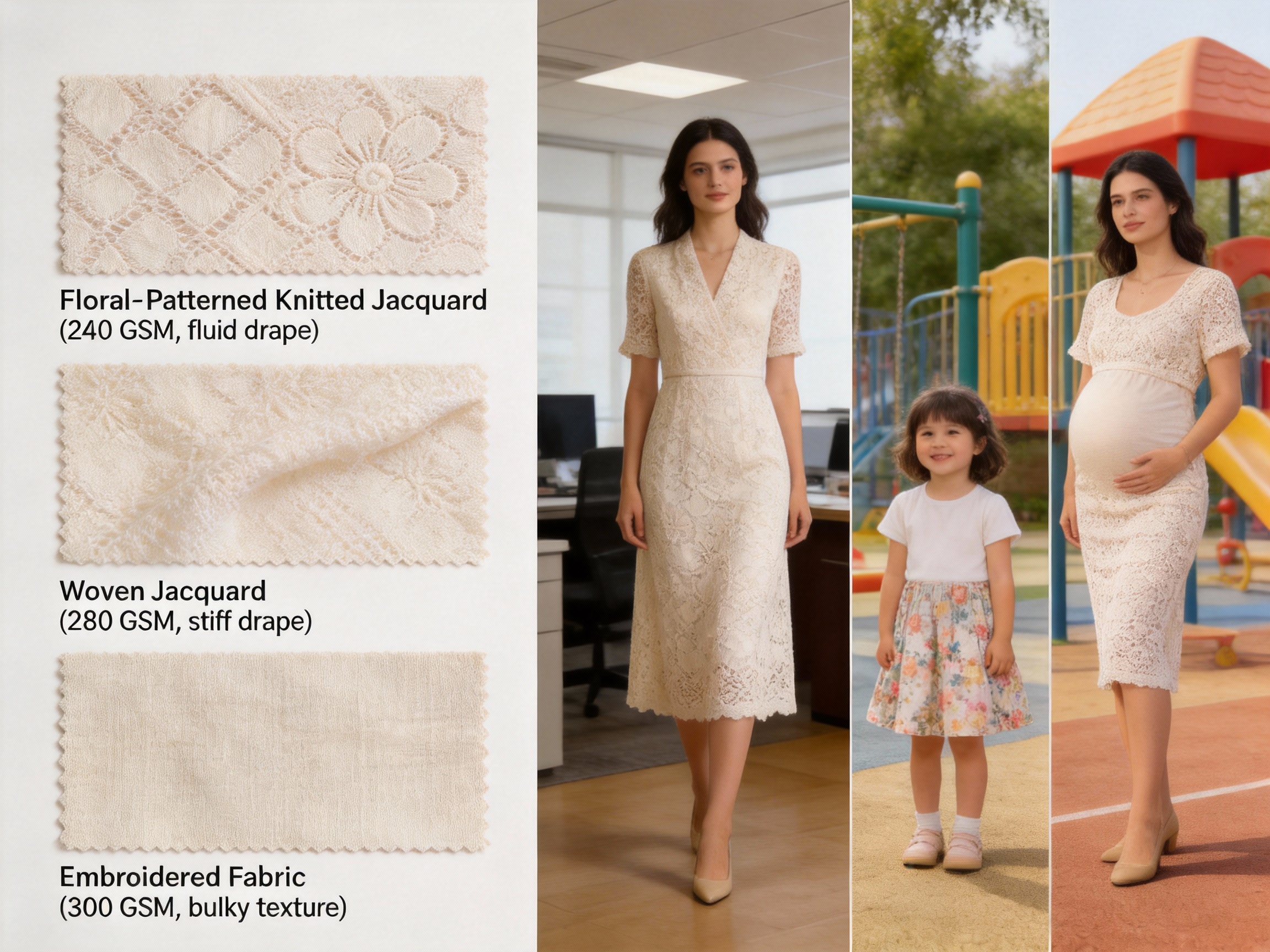
To truly appreciate the value of the Floral-Patterned Knitted Jacquard, it’s important to compare it to common alternatives in the market. Let’s take a look at how it stacks up against woven jacquard and embroidered fabric.
| Feature | Floral-Patterned Knitted Jacquard | Woven Jacquard | Embroidered Fabric |
| Composition | 60% Viscose, 35% Nylon, 5% Spandex | 100% Cotton or Polyester | Cotton/Polyester base with embroidery threads |
| Weight (GSM) | 240 (medium) | 280–350 (heavy) | 260–320 (medium-heavy) |
| Drape | Fluid, flattering, stretchy | Stiff, structured, low stretch | Bulky, rigid due to embroidery |
| Color Fastness | Excellent (low-temp reactive dyes) | Good (fades after 15–20 washes) | Moderate (embroidery threads fade after 10–15 washes) |
| Production Time | 10–12 days | 15–20 days | 20–25 days |
| Cost per Meter | $8–$10 | $12–$15 | $10–$13 |
| Eco-Certification | OEKO-TEX Standard 100 | Often none | Rarely certified |
From the table above, it’s clear that the Floral-Patterned Knitted Jacquard offers several advantages over its competitors:
Better Drape & Comfort: Unlike woven jacquard (stiff) and embroidered fabric (bulky), the knitted version has a fluid drape that moves with the wearer. The 5% spandex adds stretch, making it ideal for form-fitting garments like dresses and skirts.
Higher Color Fastness: The low-temperature reactive dyes ensure colors remain vivid for 30+ washes—double the lifespan of traditional dyes used in woven or embroidered fabrics. This reduces brand costs associated with product returns due to fading.
Faster Production Time: Digital jacquard knitting allows for faster production than woven jacquard or embroidery, meaning brands can get their products to market 5–10 days quicker. This is critical in fast-paced fashion cycles.
Cost-Effective: While competitive with embroidered fabric, it offers better value due to its durability and color retention. It’s also 30% cheaper than woven jacquard, making it accessible to small and medium-sized brands.
Eco-Conscious: The OEKO-TEX certification appeals to consumers who prioritize sustainable fashion. A 2023 study by the Textile Institute found that 68% of consumers are willing to pay 10–15% more for OEKO-TEX certified fabrics.
The Role of Floral-Patterned Knitted Jacquard in Sustainable Fashion
In recent years, the fashion industry has come under increasing scrutiny for its environmental impact. Fast fashion contributes to 10% of global carbon emissions and 20% of wastewater pollution, according to the United Nations. As a result, consumers and brands are turning to sustainable textiles like the Floral-Patterned Knitted Jacquard.
This fabric aligns with the principles of sustainable fashion in several ways:
Reduced Waste: The 145 cm width reduces cutting waste by 15% compared to narrower fabrics. Additionally, the durable blend means garments have a 2–3 year lifespan—double that of fast fashion items.
Circular Economy: While the fabric contains synthetic fibers (nylon, spandex), its durability allows for recycling or repurposing. The manufacturer is also exploring recycled yarns (e.g., recycled nylon from fishing nets) for future production runs.
Compliance with Regulations: The OEKO-TEX certification ensures compliance with global regulations (e.g., EU REACH, US CPSIA) regarding harmful substances. This reduces brand risk of non-compliance fines.
According to the International Trade Administration’s 2022 report, sustainable knitted fabrics are expected to grow at a CAGR of 8.2% through 2027. The Floral-Patterned Knitted Jacquard is well-positioned to capitalize on this trend, as it offers a sustainable alternative without compromising on style or quality.
Application Versatility: Beyond Dresses
While marketed for dresses, the Floral-Patterned Knitted Jacquard’s versatility extends far beyond this category. Its unique combination of softness, durability, and drape makes it suitable for a wide range of apparel:
Women’s Elegant Day Dresses: The fluid drape and delicate floral pattern make it perfect for office-to-evening dresses. The stretch spandex ensures a flattering fit, while the viscose-nylon blend keeps the wearer comfortable for 8+ hours.
Coordinated Skirt and Top Sets: The medium weight and wide width allow for seamless pattern matching. Brands can pair the floral fabric with solid colors (e.g., navy or white) for a timeless look.
Lightweight Fall Jackets: The 240 GSM weight provides just enough warmth for mild fall weather. The floral pattern adds a feminine touch to otherwise plain outerwear, making it popular with consumers.
Luxury Children’s Wear: The OEKO-TEX certification and soft hand feel make it safe for kids. It’s durable enough to withstand playground wear and tear, while the floral pattern adds a cute, stylish touch to dresses and skirts.
Maternity Wear: The stretch spandex and fluid drape make it ideal for maternity dresses and tops. It accommodates growing bellies while maintaining a flattering silhouette.
Q&A Section
To address common questions from designers, brands, and consumers, we’ve compiled this Q&A section based on the fabric’s key features and manufacturing processes:
Q1: Is the floral pattern reversible?
A: No, our standard floral jacquard has a distinct face and back side. However, the back side features a neat, clean knit structure that is still aesthetically pleasing. We offer custom double-sided jacquards upon request for brands looking for reversible designs.
Q2: How should I care for this viscose blend?
A: To maintain the fabric’s drape and prevent pilling, machine wash on a gentle cycle with cold water and mild detergent. Avoid bleach or fabric softeners. Hang to dry, and iron on a low setting if necessary. Dry cleaning is also suitable.
Q3: What is the minimum order quantity (MOQ)?
A: We offer a flexible MOQ of 500 meters for trial orders. For larger orders (1000+ meters), we provide custom pricing based on volume.
Q4: How long does custom sampling take?
A: Digital sampling (for pattern visualization) is completed within 7 days. Physical samples (with actual fabric) take 10–12 days, including shipping.
Q5: Does the fabric come with eco-certifications?
A: Yes, it’s certified with OEKO-TEX Standard 100. This ensures it’s free from harmful substances and safe for skin contact.
Q6: Can you provide customs documentation?
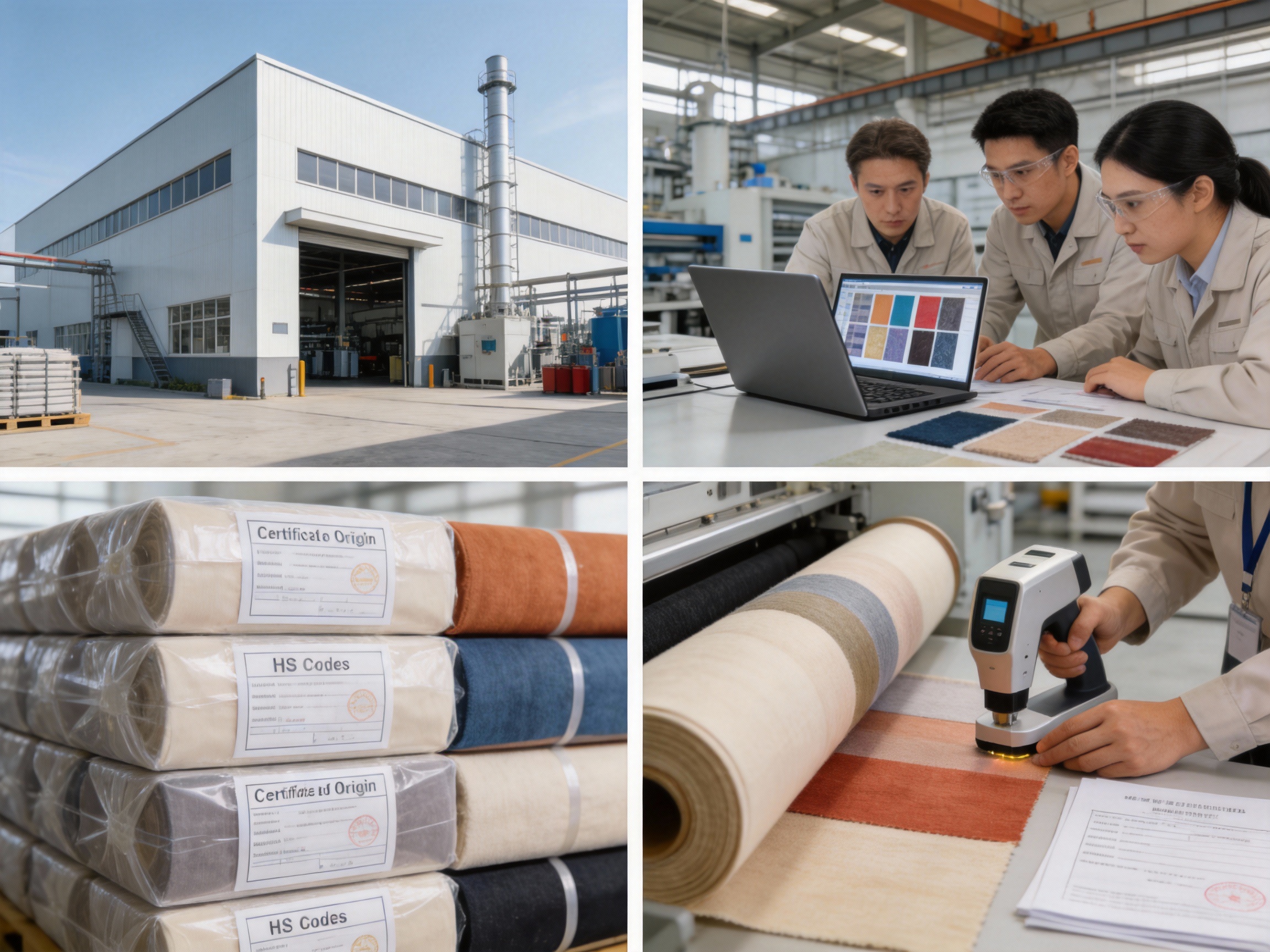
A: Yes, we offer HS codes (e.g., 6006.32) and Certificate of Origin (Form A/E/F) to assist with smooth customs clearance. Our team also provides dedicated logistics support for large orders.
Company Strengths: Hangzhou Jinfeng Textile Co., Ltd
The Floral-Patterned Knitted Jacquard is produced by Hangzhou Jinfeng Textile Co., Ltd, a leading textile manufacturer based in Hangzhou, China. The company’s strengths are integral to the quality and reliability of this fabric:
Integrated Production: The company covers 32.6 acres with an 18,000 sqm plant housing knitting, dyeing, and finishing equipment. This integration allows full control over the production process, from yarn selection to final packaging.
R&D Expertise: A dedicated R&D team focuses on innovative fabrics and processes, including low-temperature reactive dyeing and digital sampling. This team collaborates with global fashion brands to develop custom designs.
Export Experience: As a self-employed export company, it serves 30+ countries (US, Europe, Southeast Asia). It offers container consolidation and optimized packaging to minimize wrinkles and freight costs.
Customer-Centric Approach: Adhering to the “cooperation, win-win” philosophy, it provides flexible MOQs, speedy sampling, and personalized support for custom designs.
References
1. Textile Institute. (2023). Global Textile Trends Report: Sustainable Knitted Fabrics. Manchester, UK: Textile Institute Press.
2. OEKO-TEX Association. (2022). OEKO-TEX Standard 100: Guidelines for Safe Textile Production. Zurich, Switzerland: OEKO-TEX Publishing.
3. Smith, J. (2021). The Future of Knitted Jacquard: Innovation in Design and Functionality. New York: Fashion Industry Publications.
4. Wang, L. (2023). Eco-Friendly Dyeing Technologies for Textiles: A Comparative Analysis. Beijing: China Textile Press.
5. United Nations Environment Programme. (2022). Fashion Industry’s Environmental Impact: A Global Overview. Nairobi, Kenya: UNEP.
Conclusion
The Floral-Patterned Knitted Jacquard Fabric is more than just a textile—it’s a reflection of the evolving needs of the fashion industry. Its balanced composition, advanced manufacturing, and eco-conscious design make it a top choice for designers and brands looking to create high-quality, sustainable apparel. Whether crafting elegant dresses, coordinated sets, or children’s wear, this fabric offers the perfect blend of style, comfort, and durability.
Backed by Hangzhou Jinfeng Textile Co., Ltd’s expertise, this fabric is a product of innovation and customer-centricity. With flexible MOQs, speedy sampling, and dedicated support, the company makes it easy for brands to incorporate this fabric into their collections. As the fashion industry continues to prioritize sustainability and functionality, the Floral-Patterned Knitted Jacquard Fabric is poised to become a staple in modern apparel design.
