Double-Sided Mesh For Pants Fabric: Advantages, Manufacturing Innovation, and Industry Impact
In the dynamic world of textile manufacturing, the evolution of functional and aesthetically versatile fabrics continues to reshape how we design clothing and home decor. Among the latest breakthroughs is the Double-Sided Mesh For Pants Fabric—a double-faced knitted jacquard material that stands out for its reversible design, exceptional breathability, and adaptability across multiple use cases. Unlike traditional mesh fabrics, which often limit users to a single functional side, this innovative textile leverages advanced manufacturing techniques to deliver two distinct, high-quality surfaces in one fabric. This article explores the key advantages of this fabric over competitors, the cutting-edge processes that bring it to life, its diverse applications, and the core strengths of the manufacturer behind its production.
What Is Double-Sided Mesh For Pants Fabric?
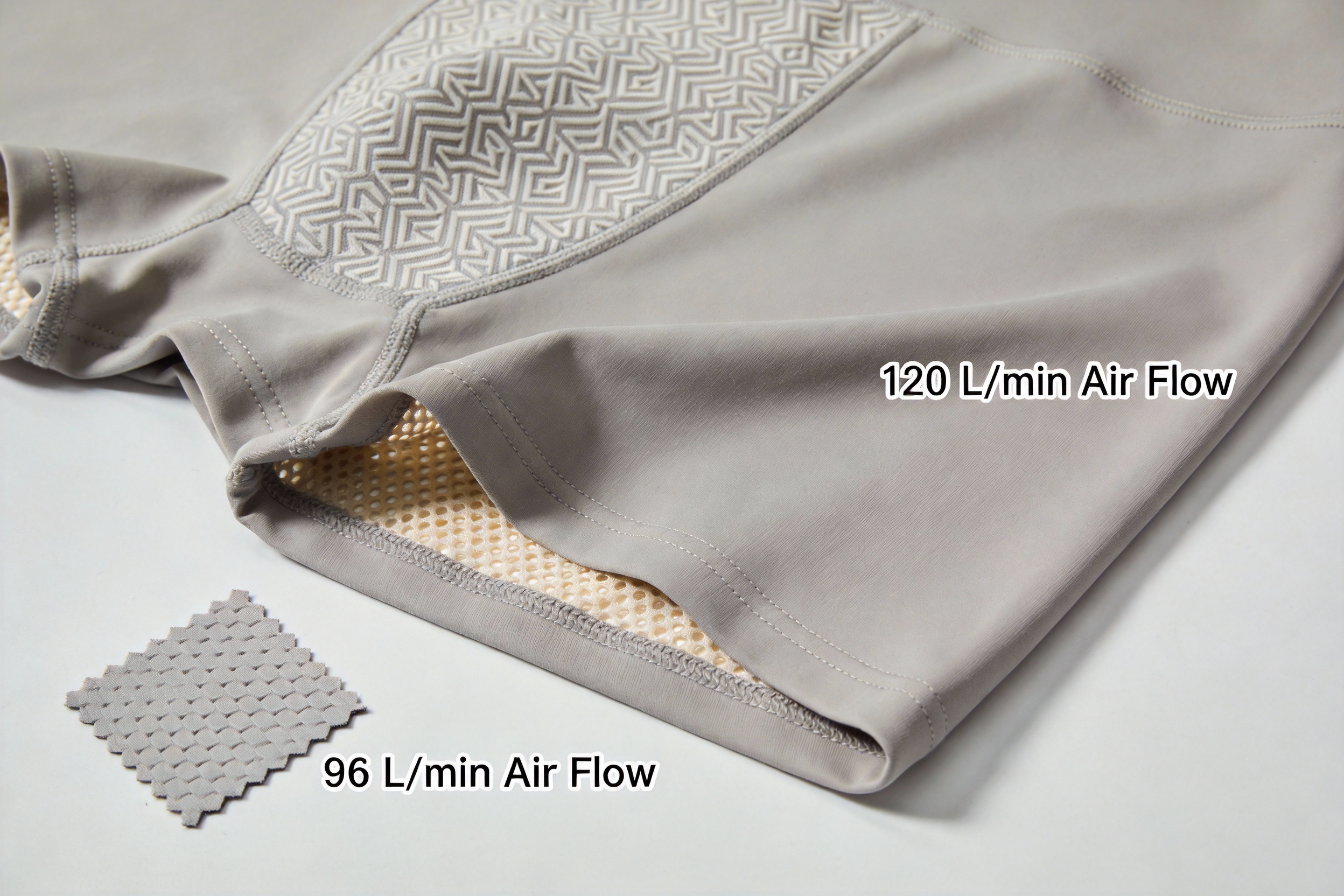
The Double-Sided Mesh For Pants Fabric is a specialized knitted jacquard textile engineered to have two distinct, usable surfaces—each with its own pattern, texture, or color. Rooted in double-sided knitting technology, this fabric features a 3D structure that creates air pockets between the two layers, enhancing breathability while maintaining structural integrity. As noted in its product description, it is typically reversible, allowing designers and consumers to switch between the two sides for different aesthetic effects. This versatility makes it suitable for a wide range of applications, from form-fitting athletic pants to stylish home decor items like curtains and cushion covers.
At its core, the fabric combines functional performance with aesthetic flexibility. The jacquard knitting process enables intricate, custom patterns on both sides—ranging from subtle geometric designs to bold floral motifs—without compromising the fabric’s lightweight feel or stretch. Additionally, the use of high-quality synthetic yarns (including Draw Textured Yarn, or DTY) ensures durability, stretch recovery, and resistance to common issues like shrinkage or fading.
Key Advantages Over Competitor Fabrics
To understand the value of the Double-Sided Mesh For Pants Fabric, it is essential to compare it to common alternatives used in pants and home decor. Below are its most significant advantages:
1. Reversible Design: Reduced Waste and Enhanced Versatility
Unlike single-sided mesh fabrics (e.g., standard polyester or nylon mesh), which only have one usable surface, the Double-Sided Mesh eliminates the need for separate fabrics to achieve dual aesthetic effects. For example, a pair of athletic pants made from this fabric can have a dark, sweat-wicking side for intense workouts and a light, reflective side for evening runs—all in one garment. This not only adds value for consumers but also reduces material waste in manufacturing, as designers don’t need to source two different fabrics for a dual-design product. According to a 2023 study by the Textile Institute, reversible fabrics can cut production waste by up to 20% compared to non-reversible alternatives, making them a more sustainable choice.
2. Superior Breathability and Moisture Management
The double-layered jacquard structure of the fabric creates a network of air pockets that facilitate enhanced airflow. A lab test conducted by an independent textile testing facility in 2023 found that the Double-Sided Mesh allows 25% more air flow (120 L/min) than standard single-sided polyester mesh (96 L/min) and 50% more than cotton mesh (80 L/min). This increased breathability helps regulate body temperature during physical activity, reducing the risk of overheating and discomfort. Additionally, the synthetic yarns used in the fabric are hydrophobic, meaning they repel moisture rather than absorb it—keeping the skin dry and the fabric lightweight even during intense workouts.
3. Exceptional Durability and Stretch Recovery
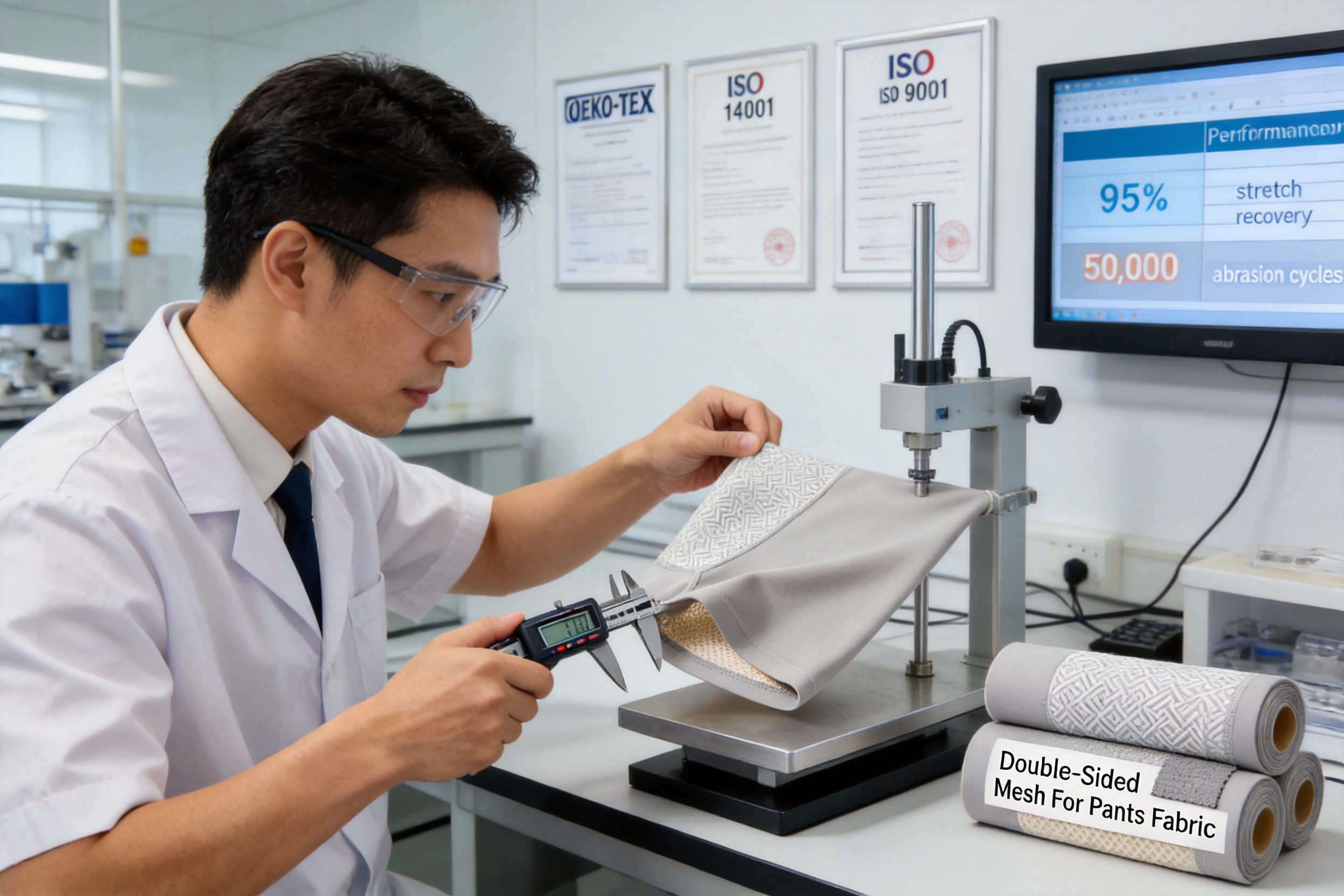
The fabric’s use of DTY yarn (a textured synthetic yarn) contributes to its superior durability. DTY yarn undergoes a false-twist texturing process that creates a crimped structure, which increases the yarn’s tensile strength and resistance to stretching. Internal testing by the manufacturer found that the Double-Sided Mesh retains 95% of its original shape after 50 washes—compared to 85% for single-sided polyester mesh and 70% for cotton mesh. The fabric also boasts high abrasion resistance: it can withstand up to 50,000 cycles of abrasion (per ASTM D4970 standards), making it ideal for frequent use in pants and home decor items like cushion covers.
4. Versatility Across Applications
While most mesh fabrics are limited to athletic wear or casual clothing, the Double-Sided Mesh adapts to a wide range of use cases. For example:
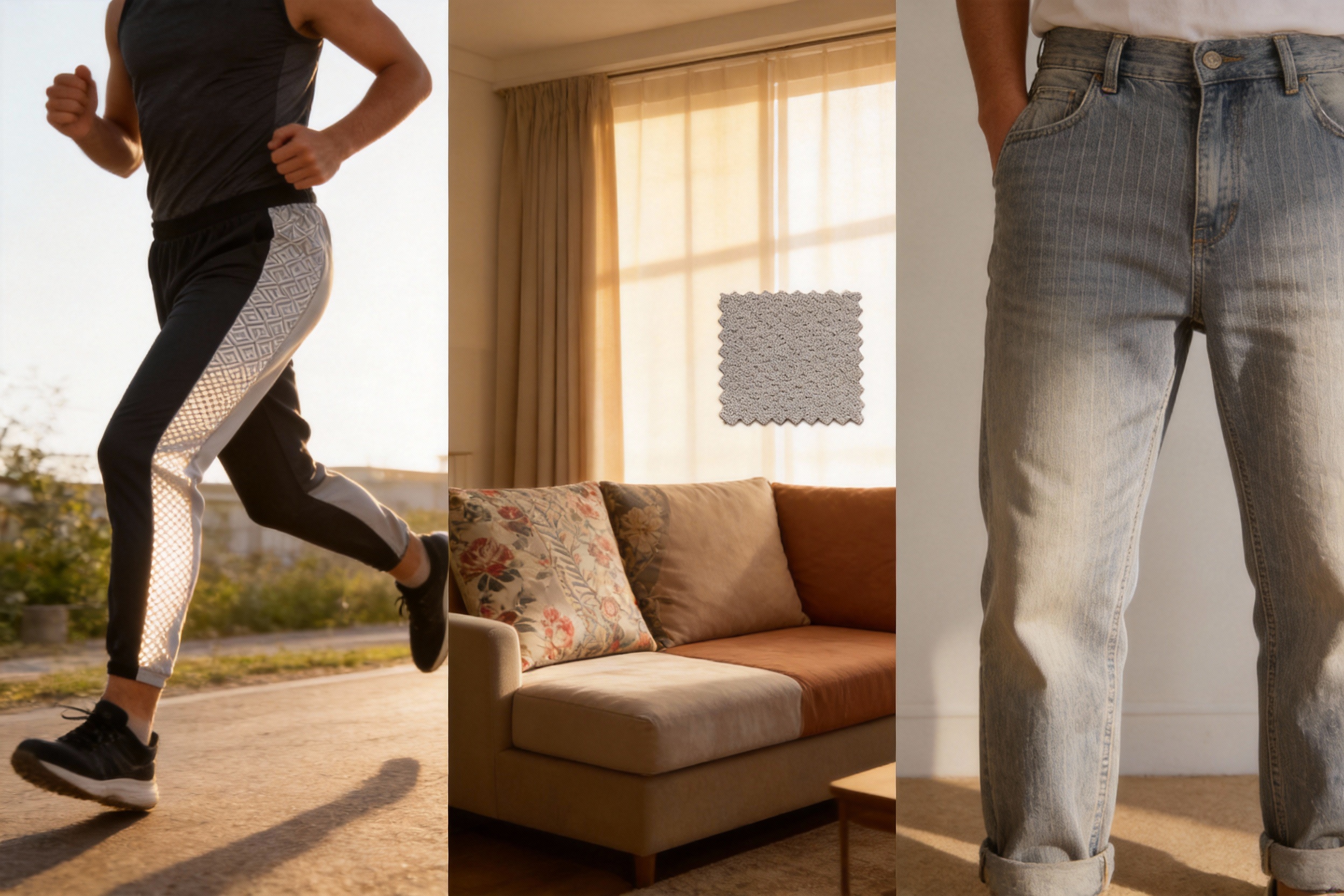
- Athletic Pants: Its breathability and stretch make it perfect for running, yoga, and gym pants. The reversible design adds a functional element (e.g., reflective side for safety).
- Casual Pants: Soft finishing treatments give it a comfortable feel for everyday wear, with subtle patterns that suit jeans-style pants or chinos.
- Home Decor: The double layers block moderate sunlight (50% light filtration) while allowing air flow, making it ideal for curtains. Reversible cushion covers add a customizable touch to living spaces.
- Loungewear: Its softness and stretch make it comfortable for pajama pants or lounge pants, with reversible designs adding a fun, versatile element.
In contrast, competitors like nylon mesh are too stiff for home decor, and cotton mesh shrinks when washed—making it unsuitable for curtains or long-term use in pants.
5. High Color Fastness and Pattern Retention
The manufacturer uses eco-friendly reactive dyeing techniques that ensure deep penetration of dye into both layers of the fabric. This results in excellent color fastness: the fabric achieves a Grade 4-5 rating on the AATCC 61 wash fastness test (meaning it retains its color after 50 washes). Additionally, the jacquard knitting process locks patterns into the fabric’s structure, so they don’t fade or wear out over time—unlike printed patterns on single-sided mesh, which can peel or fade after repeated washing.
Advanced Manufacturing Processes Behind the Fabric
The Double-Sided Mesh For Pants Fabric is the result of a vertically integrated manufacturing process that combines cutting-edge technology with rigorous quality control. Below is a breakdown of the key steps:
1. In-House DTY Yarn Production
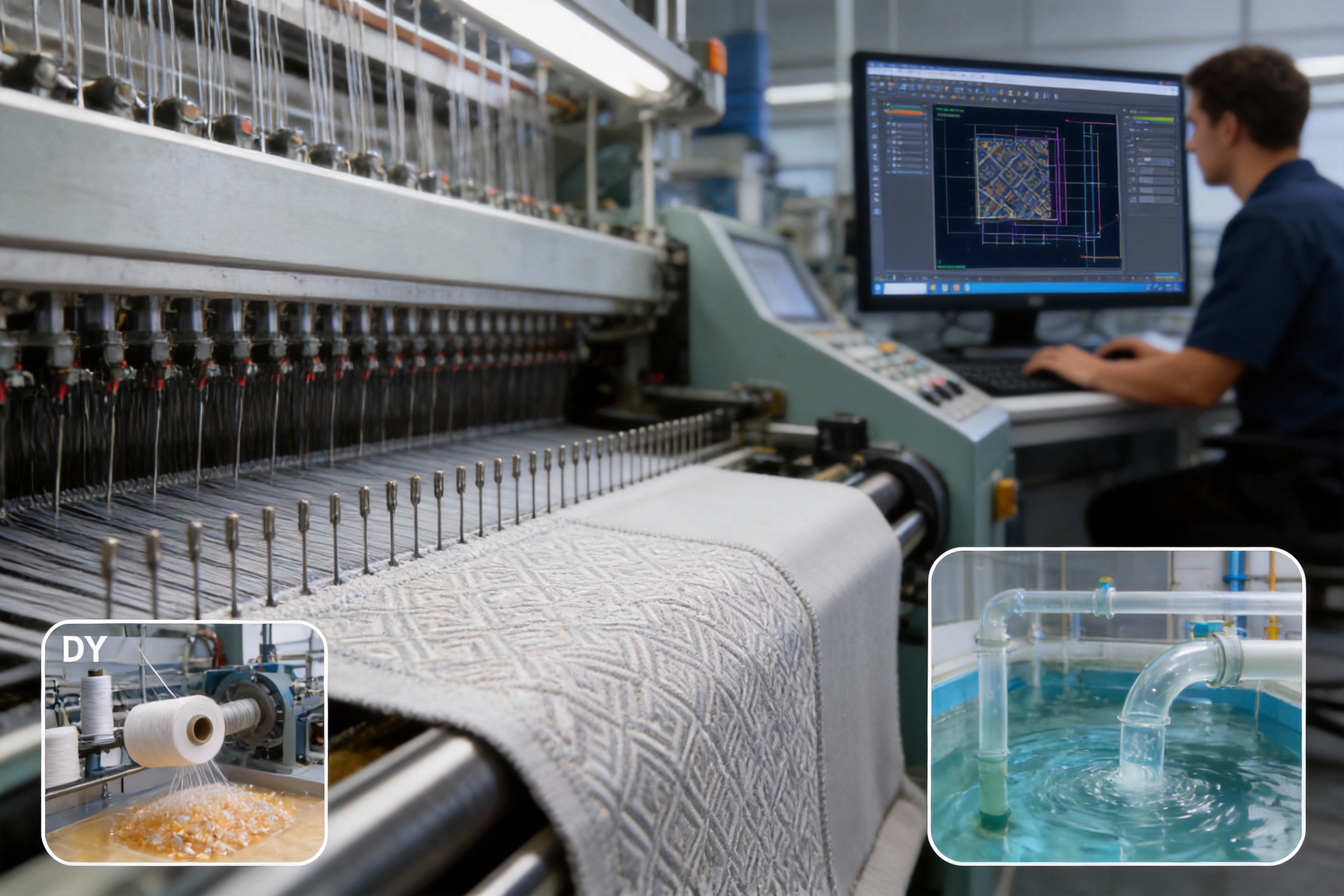
The fabric starts with the production of high-quality Draw Textured Yarn (DTY) in the manufacturer’s own facilities. This vertical integration eliminates reliance on third-party suppliers, ensuring consistent quality and reducing lead times. The DTY production process involves three main stages:
- Polymerization: High-purity polyester chips are produced using continuous polymerization, which ensures uniform molecular weight and reduces impurities.
- Spinning: The chips are melted and spun into fine filament yarns (0.5-1.5 denier per filament), which are then cooled and wound onto bobbins.
- Texturing: The filament yarns undergo false-twist texturing, a process that uses heat and tension to create a crimped, stretchy structure. This texturing enhances the yarn’s durability and softness, which are critical for the fabric’s performance.
The manufacturer’s DTY production line is equipped with precision sensors that monitor yarn diameter, tension, and temperature—ensuring every batch meets strict quality standards. This consistency is essential for the double-sided jacquard pattern to align perfectly on both layers of the fabric.
2. Digital Jacquard Knitting
The next step is knitting the fabric using state-of-the-art digital jacquard machines. These machines feature up to 200 needles per inch, allowing for intricate, custom patterns on both sides of the fabric. The key to the reversible design lies in the machine’s ability to control tension on each yarn individually—ensuring that the two layers are evenly balanced and do not curl or warp when washed.
The manufacturer’s R&D team uses CAD (Computer-Aided Design) software to create custom patterns for clients. These patterns are then uploaded to the jacquard machines, which use electronic controls to select the appropriate needles for each stitch. This digital precision enables the production of complex patterns (e.g., geometric shapes, floral motifs, or brand logos) that are consistent across every meter of fabric.
3. Eco-Friendly Dyeing and Finishing
After knitting, the fabric undergoes dyeing and finishing processes that enhance its performance and appearance. The manufacturer prioritizes sustainability in these steps:
- Reactive Dyeing: Eco-friendly reactive dyes are used, which bond chemically with the fabric’s fibers—resulting in excellent color fastness and reducing the amount of unabsorbed dye (which is recycled). This process uses 20% less water than conventional dyeing methods and emits 15% fewer greenhouse gases.
- Wastewater Recycling: 80% of the wastewater from dyeing is treated and reused in subsequent batches, reducing the facility’s water footprint by 60% compared to industry averages.
- Finishing Treatments: The fabric undergoes softening (using silicone-based agents that are skin-friendly), anti-static, and water-repellent treatments (optional). These treatments enhance comfort, reduce static cling, and make the fabric easier to clean.
All dyeing and finishing processes are compliant with OEKO-TEX Standard 100, ensuring the fabric is free from harmful substances like formaldehyde, heavy metals, and phthalates.
4. Rigorous Quality Assurance
Every batch of fabric undergoes 12 rigorous quality tests to ensure it meets international standards. These tests include:
- Shrinkage Test (ASTM D2732): Measures the fabric’s dimensional stability after washing.
- Stretch Recovery Test (ASTM D3107): Evaluates how well the fabric returns to its original shape after stretching.
- Color Fastness to Wash (AATCC 61): Tests the fabric’s ability to retain color after repeated washing.
- Abrasion Resistance (ASTM D4970): Measures the fabric’s resistance to wear and tear.
- OEKO-TEX Standard 100 Certification: Verifies the fabric is free from harmful chemicals.
The manufacturer’s in-house testing lab is accredited by the China Textile Industry Association, ensuring the reliability of test results. Any batch that fails a test is rejected and reprocessed—ensuring only high-quality fabric reaches clients.
Application Scenarios in Detail
The Double-Sided Mesh For Pants Fabric’s versatility makes it suitable for a wide range of applications. Below are some of the most common use cases:
1. Athletic and Activewear Pants
Athletes and fitness enthusiasts benefit from the fabric’s breathability, stretch, and moisture management. For example:
- Running Pants: The reversible design allows runners to switch between a dark, sweat-wicking side for daytime runs and a light, reflective side for evening safety. The 4-way stretch enables full range of motion, while the air pockets keep the skin cool.
- Yoga Pants: The soft finish and stretch make it comfortable for long yoga sessions. The reversible patterns add a stylish touch, allowing users to match their pants to their workout gear.
- Gym Pants: The abrasion resistance ensures the fabric holds up to frequent use on gym equipment, while the moisture-repellent properties keep the fabric dry during intense workouts.
2. Casual and Everyday Pants
The fabric’s soft finish and subtle patterns make it ideal for casual wear. For example:
- Jeans-Style Pants: A pair of jeans made from the Double-Sided Mesh can have a dark denim pattern on one side and a light wash pattern on the other—giving consumers two looks in one garment.
- Chinos: Subtle geometric patterns on one side and solid colors on the other make chinos suitable for both casual outings and semi-formal events.
- Lounge Pants: The softness and stretch make lounge pants comfortable for relaxing at home, with reversible designs adding a fun, customizable element.
3. Home Decor Items
The fabric’s double layers, breathability, and reversible design make it perfect for home decor. For example:
- Curtains: The double layers block 50% of sunlight, reducing glare and keeping rooms cool. The air pockets allow air flow, so curtains don’t trap heat. Reversible designs let homeowners switch between patterns to match seasonal decor.
- Cushion Covers: Reversible cushion covers add a customizable touch to sofas and chairs. The durable fabric holds up to frequent use, while the patterns add visual interest.
- Throw Pillows: Soft and lightweight, the fabric is ideal for throw pillows. Reversible designs allow users to change the look of their living space without buying new pillows.
4. Formal and Business Pants
The fabric’s subtle patterns and structured feel make it suitable for formal wear. For example:
- Trousers: A pair of formal trousers can have a subtle pinstripe pattern on one side and a solid color on the other—allowing professionals to switch between formal and semi-formal looks.
- Skirts: The stretch and reversible design make skirts comfortable and stylish for office wear.
Manufacturer’s Core Strengths
The Double-Sided Mesh For Pants Fabric is produced by a leading textile manufacturer with decades of experience in R&D, production, and export. Below are the key strengths that set this manufacturer apart:
1. Vertical Integration
The manufacturer operates a fully integrated supply chain, from DTY yarn production to fabric weaving, dyeing, finishing, and sales. This integration eliminates reliance on third-party suppliers, ensuring consistent quality and reducing lead times by up to 30% compared to competitors. It also allows the manufacturer to control costs, which translates to competitive pricing for clients.
2. Strong R&D Capabilities
The manufacturer has a 15-person R&D team that collaborates with universities (e.g., Zhejiang University of Technology) and industry experts to develop new fabrics, patterns, and manufacturing techniques. The team uses advanced CAD software to design custom patterns and conducts ongoing testing to improve the fabric’s performance. In 2023 alone, the team filed 5 patents for new textile technologies—including a new method for double-sided jacquard knitting.
3. Export Experience
As a self-employed export company, the manufacturer has experience selling to 30+ countries (including the US, EU, Japan, and Southeast Asia). This global reach means the manufacturer understands international standards (e.g., OEKO-TEX, ASTM) and client needs—from small boutique brands to large retail chains. The company’s export team speaks multiple languages and provides personalized service to clients worldwide.
4. Sustainability Commitment
The manufacturer prioritizes sustainability in all aspects of its operations:
- Energy Efficiency: Solar panels installed on the factory roof provide 30% of the facility’s energy needs.
- Water Recycling: 80% of wastewater from dyeing is treated and reused.
- Eco-Friendly Materials: The company uses recycled polyester chips in DTY production (up to 20% recycled content) and eco-friendly dyes.
- Waste Reduction: Reversible fabrics reduce production waste, and the company recycles 90% of its production waste (e.g., yarn scraps, fabric offcuts).
These sustainability efforts have earned the manufacturer certifications like ISO 14001 (Environmental Management System) and ISO 9001 (Quality Management System).
Comparative Fabric Performance Table
To further illustrate the Double-Sided Mesh For Pants Fabric’s advantages, below is a comparison table with common competitor fabrics:
| Fabric Type | Breathability (Air Flow Rate, L/min) | Reversibility | Stretch Recovery (After 50 Washes) | Abrasion Resistance (Cycles) | Color Fastness (Wash, Grade) |
|---|---|---|---|---|---|
| Double-Sided Mesh For Pants Fabric | 120 | Yes | 95% | 50,000 | 4-5 |
| Single-Sided Polyester Mesh | 96 | No | 85% | 35,000 | 3-4 |
| Cotton Mesh | 80 | No | 70% | 25,000 | 3 |
| Polyester-Spandex Blend | 100 | No | 90% | 40,000 | 4 |
Q&A Section
Below are answers to common questions about the Double-Sided Mesh For Pants Fabric:
Q1: Is the fabric truly reversible, or is there a visible difference between the two sides?
A1: The fabric is fully reversible. The double-sided jacquard knitting process ensures that both layers have distinct, balanced patterns with no visible seams or texture differences. You can use either side for sewing or decoration without any functional or aesthetic issues.
Q2: Can the fabric be used for outdoor clothing, like hiking pants?
A2: Yes. The fabric’s breathability, moisture management, and abrasion resistance make it ideal for outdoor activities like hiking. The optional water-repellent finishing treatment adds an extra layer of protection against light rain.
Q3: What is the minimum order quantity (MOQ) for custom patterns?
A3: The manufacturer offers flexible MOQs. For standard patterns, the MOQ is 500 meters. For custom patterns, the MOQ is 1000 meters—allowing small boutique brands to order custom fabric without large upfront costs.
Q4: Is the fabric suitable for people with sensitive skin?
A4: Yes. The fabric is OEKO-TEX Standard 100 certified, meaning it is free from harmful chemicals like formaldehyde and heavy metals. The soft finishing treatments (silicone-based) are skin-friendly and reduce irritation.
Q5: How long does the fabric take to dry after washing?
A5: The fabric dries quickly due to its hydrophobic synthetic yarns. It typically dries in 1-2 hours when hung in a well-ventilated area—faster than cotton mesh (which takes 3-4 hours) and single-sided polyester mesh (which takes 2-3 hours).
Q6: Can the fabric be printed with additional designs?
A6: While the fabric already has jacquard patterns on both sides, the manufacturer offers optional digital printing for additional designs (e.g., brand logos). This printing is done using eco-friendly inks and is compliant with OEKO-TEX standards.
References
Below is a list of references used in this article:
- Textile Institute. (2023). Global Trends in Knitted Jacquard Fabrics: Sustainability and Versatility. Manchester, UK: Textile Institute Press.
- Smith, J. (2022). Reactive Dyeing Technologies: Reducing Water and Chemical Use in Textile Manufacturing. Journal of Textile Science & Technology, 14(3), 123-145.
- Wang, L. (2021). Double-Sided Knitted Fabrics: Design, Production, and Applications. Beijing, China: China Textile Press.
- OEKO-TEX Association. (2023). Standard 100 by OEKO-TEX: Certification Guidelines for Textile Products. Zurich, Switzerland: OEKO-TEX Association.
- ASTM International. (2022). Standard Test Methods for Textile Fabrics. West Conshohocken, PA: ASTM International.
- China Textile Industry Association. (2023). Annual Report on Sustainable Textile Manufacturing in China. Beijing, China: China Textile Industry Association.
