
Cotton NR Roman Fabric for Modern Apparel: Comfort, Structure, and Reliable Performance
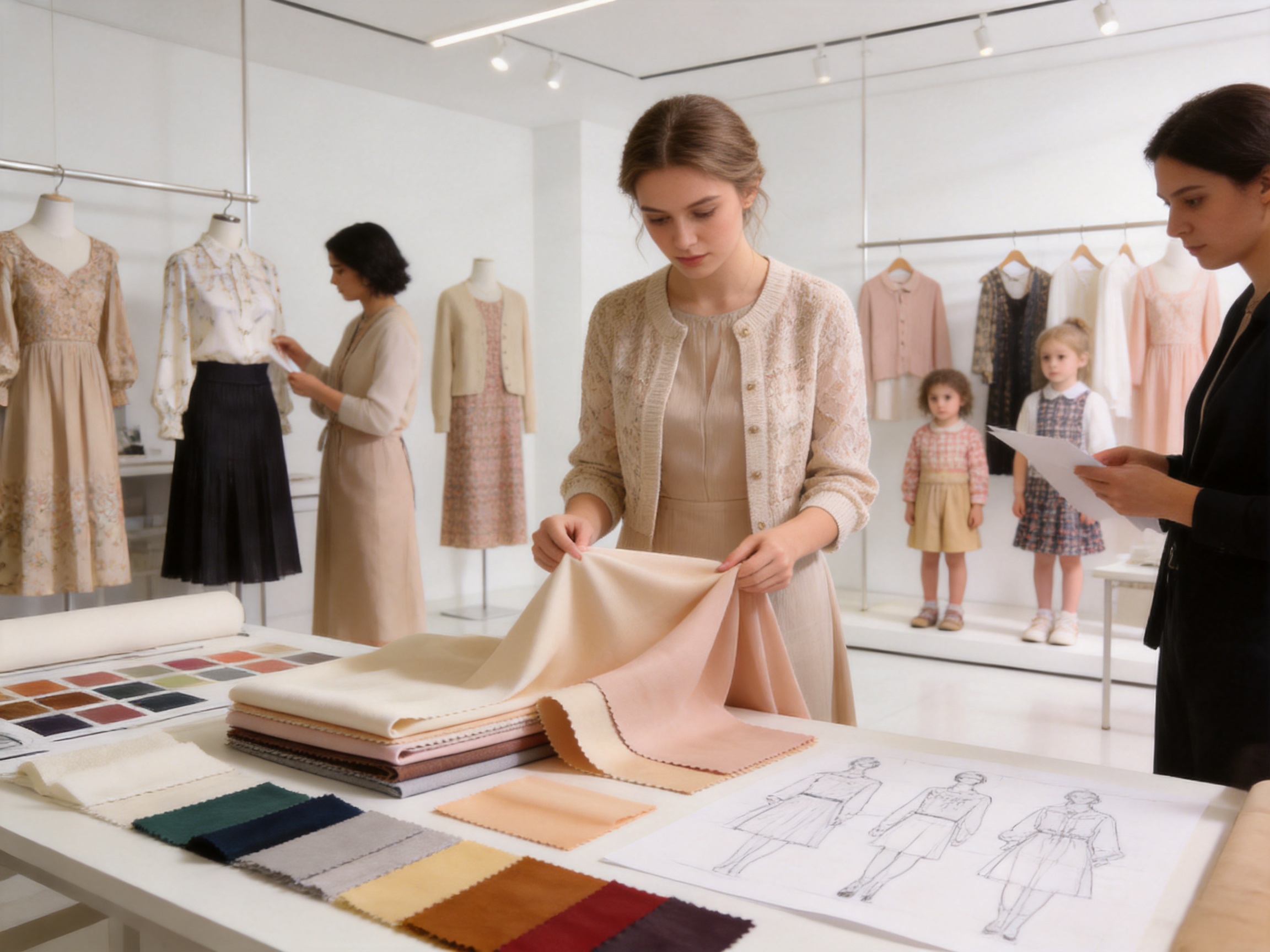
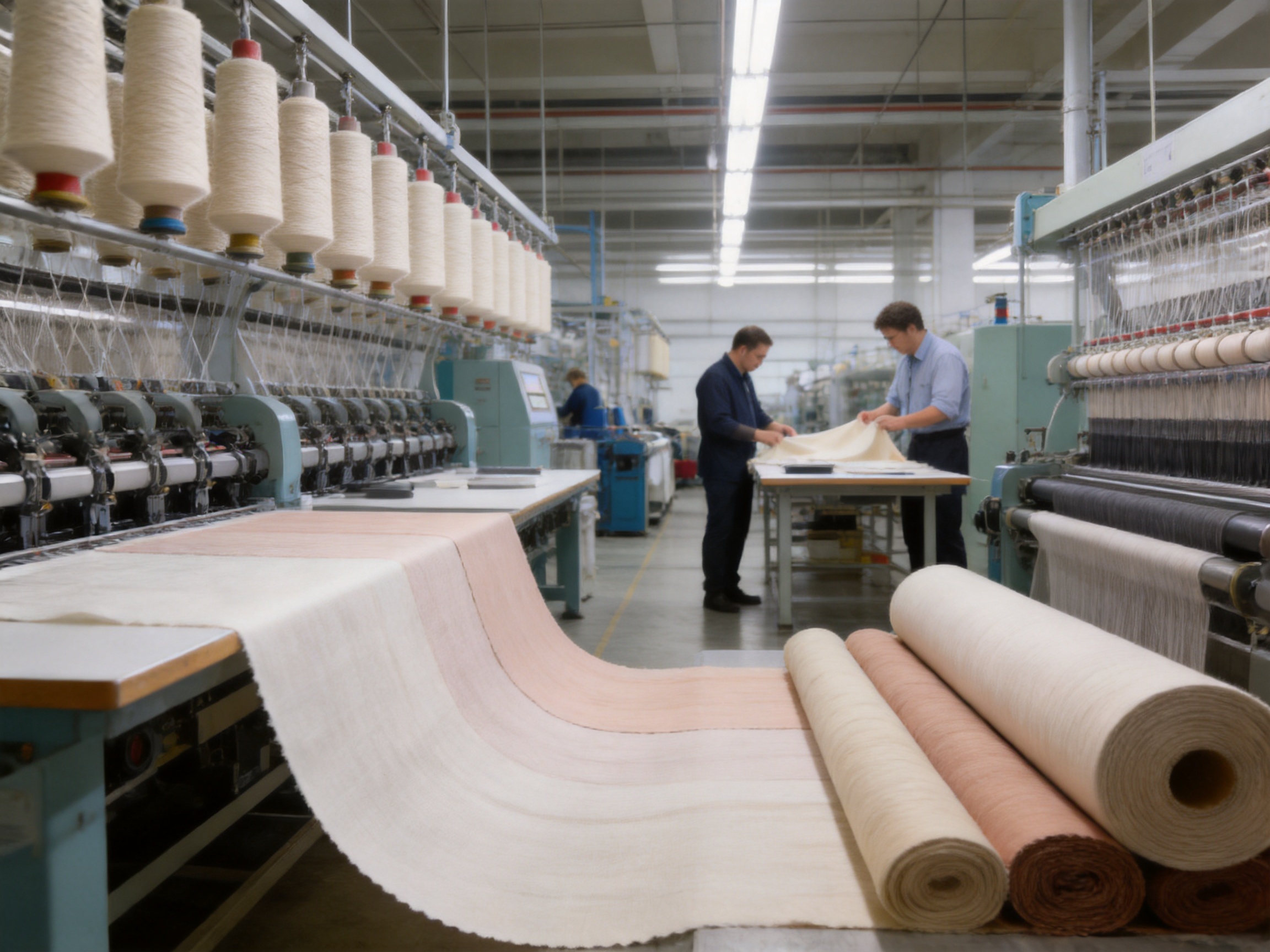
Cotton NR Roman Fabric is a versatile knitted fabric designed for garments that need comfort, resilience, clean surface appearance, and dependable shape retention. As part of the NR knitted fabric category, it brings together the softness expected from cotton-containing materials, the practical elasticity of knitted construction, and the polished structure associated with Roman knit fabrics. For apparel brands, garment factories, wholesalers, and sourcing teams, this fabric offers a balanced solution for dresses, skirts, blouses, cardigans, casual sets, baby clothing, and refined everyday wear.
In a market filled with single-function fabrics, Cotton NR Roman Fabric stands out because it is not limited to one style or one season. It can be engineered for drape, compactness, stretch, thickness, smoothness, and surface definition. Its Roman knit structure gives it a more substantial hand feel than many lightweight jersey fabrics, while its NR knitted character provides flexibility and sewing convenience. The result is a fabric that can support both relaxed and more tailored silhouettes.
For brands competing in fast-changing fashion markets, fabric performance matters as much as design. A garment that looks attractive at first touch but loses shape after repeated wear can damage customer trust. Cotton NR Roman Fabric is valued because it helps garments maintain a neater appearance, offers an easy-to-sew construction, and supports a broad range of finishing and dyeing options. When produced by an experienced textile manufacturer with integrated knitting, dyeing, finishing, yarn processing, and quality control capabilities, the fabric becomes an efficient and dependable material for commercial apparel production.
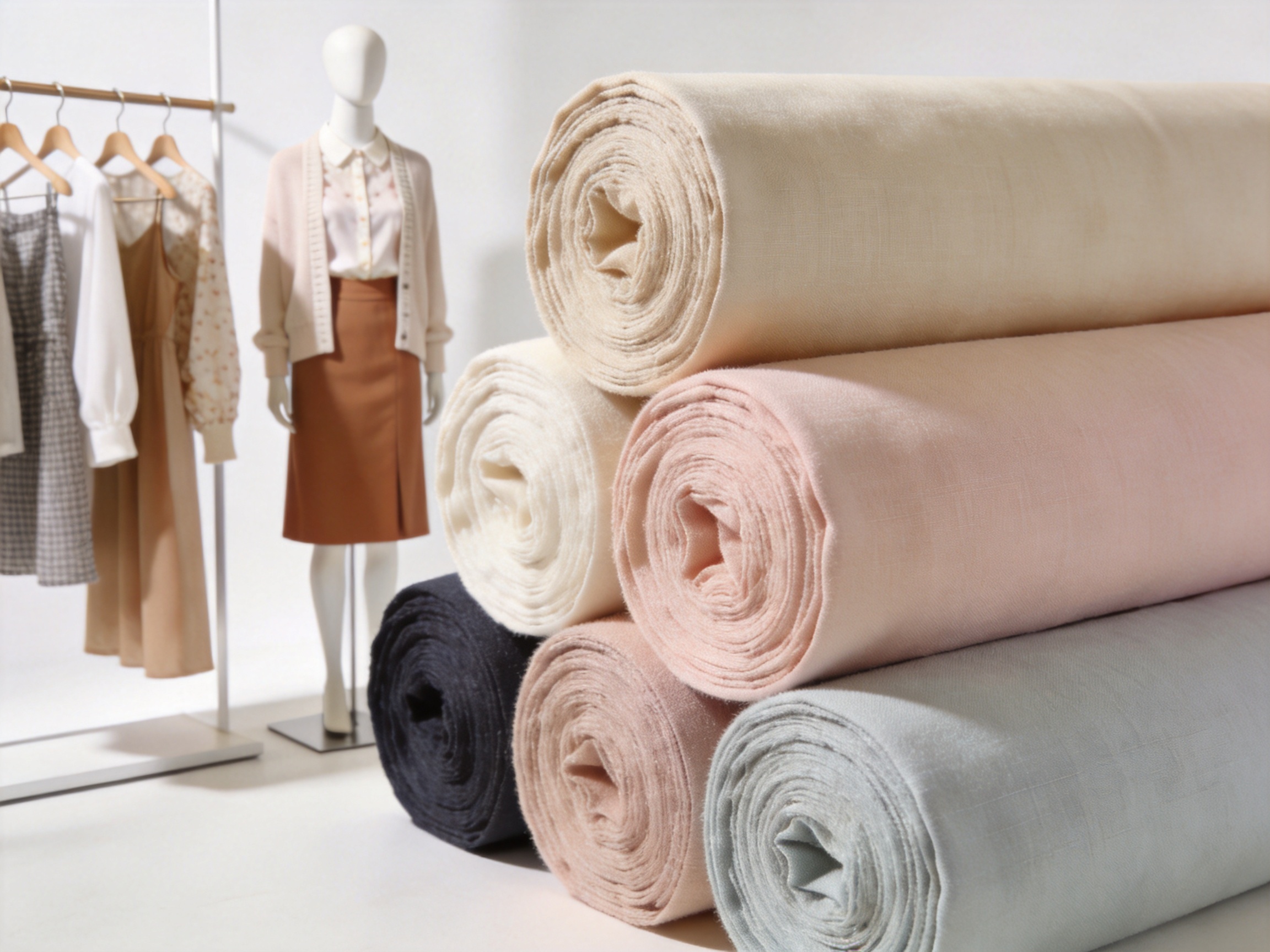
Understanding Cotton NR Roman Fabric
Cotton NR Roman Fabric belongs to the wider family of NR knitted fabrics, commonly associated with nylon-rayon or nylon-rayon-based blended knitted materials. The specific term “Cotton NR Roman Fabric” indicates a Roman knit fabric developed with a cotton-related hand feel or cotton-containing blend, while maintaining the smoothness, elasticity, and structural benefits of NR knitted construction. Depending on customer requirements, yarn selection and blend ratios can be adjusted to support different garment purposes.
Roman knit fabric is known for its compact knitted structure. Compared with ordinary single jersey, it is often more stable, smoother, and less prone to curling at the edges. This makes it easier for garment factories to cut, sew, align, and finish. The structure gives the fabric a refined appearance suitable for garments that need a clean outline without sacrificing comfort. It is often chosen when designers want something softer than woven suiting fabric but more structured than lightweight jersey.
The NR component contributes to the fabric’s smooth hand, good drape, and practical stretch. Rayon brings softness and breathable comfort, while nylon can improve strength, abrasion resistance, and recovery. Cotton-related content or cotton-like finishing can enhance skin-friendly comfort and natural touch. When the fabric is properly knitted and finished, it offers a pleasant balance: soft against the body, flexible during movement, and sufficiently stable for repeated use.
This balance makes Cotton NR Roman Fabric suitable for both casual and semi-formal clothing. It can be used for dresses that need flow but not excessive cling, skirts that require shape, tops that need comfort, and cardigans that need a neat fall. It can also be adapted for baby clothing, depending on the yarn and finishing specifications, because of its softness and comfortable surface.
Why Roman Knit Construction Matters
The construction of a fabric strongly influences how the final garment performs. Roman knit fabric is appreciated because it offers more body and stability than many ordinary knitted fabrics. Its double-knit-like compactness can help garments hang smoothly, resist excessive distortion, and feel substantial without becoming stiff. This is especially important for modern apparel, where consumers expect garments to be comfortable yet presentable.
One of the most practical advantages of Roman knit construction is sewing efficiency. Some lightweight knitted fabrics stretch too easily during cutting and sewing, creating uneven seams, wavy hems, or inconsistent sizing. Roman knit fabrics are generally more stable, giving garment factories better control. This can reduce waste, improve production consistency, and help maintain accurate garment measurements across bulk orders.
The structure also contributes to better opacity. Thin single jerseys may become transparent when stretched or worn in lighter colors. A compact Roman knit construction can provide better coverage, making it more suitable for dresses, skirts, and fitted tops. For brands, this means fewer complaints related to sheerness and more confidence in offering lighter shades or fashion colors.
Another benefit is surface quality. Roman knit fabric can create a smooth and polished appearance that takes dyeing and finishing well. The surface can look refined enough for office-ready garments, travel outfits, and coordinated fashion sets. Compared with basic knit fabrics, it gives designers greater freedom to create garments that feel comfortable but still look elevated.
Key Advantages Over Competing Fabrics
Cotton NR Roman Fabric competes with many common apparel materials, including single jersey, rib knit, ponte, interlock, lace knit, polyester-rayon blends, and lightweight woven fabrics. Its advantages come from the combination of comfort, stability, easy sewing, and versatility. Instead of excelling in only one feature, it offers a balanced performance profile that suits large-scale apparel production.
Better Shape Retention Than Ordinary Jersey
Ordinary single jersey is soft and economical, but it can stretch out, curl at the edges, and show distortion after sewing or laundering. Cotton NR Roman Fabric provides a more stable knitted structure. This stability helps garments maintain their silhouette, especially in skirts, dresses, cardigans, and tops that must remain neat after sitting, walking, and repeated washing.
More Comfortable Than Many Woven Alternatives
Woven fabrics can create crisp garments, but they may feel restrictive unless elastane or special construction is added. Cotton NR Roman Fabric offers natural movement because of its knitted structure. It allows the wearer to bend, sit, and move comfortably while still presenting a cleaner appearance than many loose knits. This gives it an advantage in casual office wear, travel clothing, and daily fashion.
Smoother and More Refined Than Basic Rib Knit
Rib knit is elastic and comfortable, but its visible rib texture may not suit all garments. Cotton NR Roman Fabric can deliver a smoother surface that looks more polished. This makes it easier to use in refined garments, coordinated sets, and minimalist designs where a clean fabric face is important.
More Practical Than Lace Knit for Core Garments
Lace knit offers decorative beauty, stretch, and sheer effects, but it is often used for overlays, trims, and fashion accents rather than everyday core garments. Cotton NR Roman Fabric provides more coverage, structure, and durability. It can serve as the main body fabric for garments, while lace knit can still be combined as a design detail.
More Adaptable Than Single-Composition Fabrics
Pure cotton fabrics are breathable and comfortable, but they may wrinkle, shrink, or lose shape depending on construction. Pure synthetic fabrics may be durable but lack natural softness. Cotton NR Roman Fabric can be developed as a blended solution, combining multiple fiber advantages. This allows manufacturers to adjust softness, resilience, drape, and durability according to customer requirements.
Performance Characteristics at a Glance
| Feature | Practical Benefit | Apparel Value |
|---|---|---|
| Roman knit structure | Improved stability and body | Cleaner silhouettes for dresses, skirts, tops, and cardigans |
| NR knitted fabric character | Smooth hand feel, drape, and stretch | Comfortable wear with refined appearance |
| Cotton-related softness | Skin-friendly touch and natural comfort | Suitable for daily wear and selected baby clothing applications |
| Good sewing behavior | Reduced edge curling and easier handling | Higher garment production efficiency |
| Versatile dyeing and finishing | Color variety and adjustable hand feel | Supports seasonal fashion development |
| Balanced opacity | Better coverage than many light jerseys | Useful for dresses, skirts, and light-colored garments |
Material Comfort and Wearability
Comfort is one of the main reasons apparel brands choose knitted fabrics. Cotton NR Roman Fabric provides comfort through softness, stretch, breathability, and a smooth surface. The cotton-related component or cotton-like finishing helps create a gentle hand feel, while rayon contributes fluidity and a pleasant touch. Nylon can add durability and improve the fabric’s resistance to wear.
In garments that touch the skin directly, surface smoothness matters. Rough or harsh fabrics may look attractive on a hanger but fail in actual use. Cotton NR Roman Fabric is designed to feel comfortable for extended wear, whether used in tops, skirts with lining, dresses, cardigans, or casual sets. Its surface can be finished to reduce irritation and provide a refined tactile experience.
The fabric’s stretch also improves wearability. Unlike rigid woven fabrics, it adapts to body movement. This is important for modern consumers who want clothing that works for commuting, office work, travel, home life, and social occasions. A dress made with Cotton NR Roman Fabric can look structured enough for daily presentation while remaining comfortable throughout the day.
Another comfort advantage is seasonal adaptability. By adjusting yarn count, knitting density, finishing method, and fabric weight, the material can be developed for spring, autumn, transitional climates, or year-round indoor wear. Lighter versions can be used for blouses and dresses, while heavier versions can support cardigans, skirts, and coordinated sets.
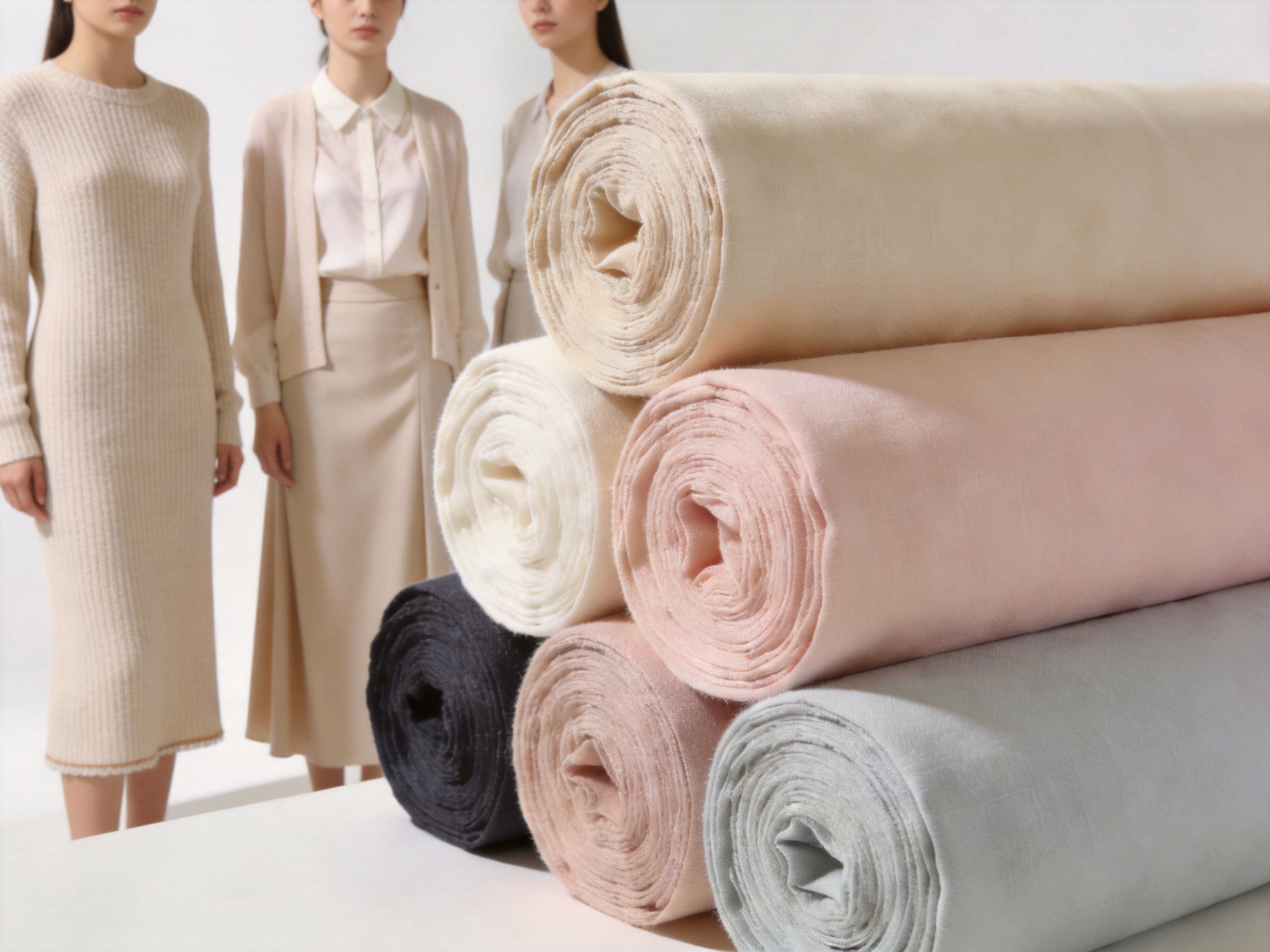
Advanced Manufacturing Processes Behind Reliable Quality
The performance of Cotton NR Roman Fabric depends not only on fiber selection but also on manufacturing expertise. An experienced textile producer with integrated capabilities in yarn processing, knitting, dyeing, finishing, and inspection can create more consistent fabric than a supplier relying on fragmented outsourcing. Hangzhou Jinfeng Textile Co., Ltd. operates with a production model that includes research and development, manufacturing, post-dyeing, finishing, and sales, helping customers receive fabric that is better controlled from raw material to finished roll.
The company is located in Xiaoshan District, Hangzhou, a region with a strong textile manufacturing foundation. Its production environment supports the processing and sale of blended fabrics such as polyester, spandex, and related knitted materials, as well as DTY polyester yarn production and processing. This background is valuable because yarn knowledge directly influences fabric quality. A manufacturer that understands yarn texturing, blending, knitting, and finishing can better control fabric hand feel, elasticity, shrinkage, and surface appearance.
Yarn Selection and Preparation
Every successful fabric begins with suitable yarn. For Cotton NR Roman Fabric, yarn selection may involve cotton-related yarns, rayon, nylon, and other compatible components depending on customer requirements. The yarn must be suitable for knitting, dyeing, and finishing. Important factors include yarn count, evenness, strength, twist, moisture behavior, and compatibility between fibers.
When yarn quality is inconsistent, the finished fabric may show streaks, uneven dyeing, weak areas, or unstable shrinkage. Advanced yarn preparation helps prevent these problems. The company’s experience with DTY polyester yarn and blended fabric production supports a technical understanding of yarn behavior, even when the target fabric is an NR knitted material rather than a purely polyester product.
Knitting Control
Knitting is central to the identity of Roman fabric. Machine settings, gauge, stitch density, yarn tension, and fabric take-down speed all influence the final structure. Proper control creates a uniform fabric with stable loops, consistent width, and balanced stretch. Poor control can cause barré, skewing, holes, uneven thickness, or dimensional instability.
For Cotton NR Roman Fabric, knitting must create enough compactness for structure while maintaining softness and flexibility. This requires technical experience. If the fabric is too loose, it may lose shape. If it is too tight, it may feel stiff or reduce drape. A capable manufacturer balances these elements to create a fabric that performs well in real garments.
Dyeing and Color Development
Dyeing is more than adding color. It affects fabric hand feel, shrinkage, appearance, and commercial consistency. Cotton NR Roman Fabric may require careful dye selection and process control because blended materials can contain fibers with different dyeing behaviors. The goal is to achieve even color, good shade matching, and satisfactory colorfastness.
Color consistency is especially important for brands producing bulk garments. A slight shade difference between fabric lots can create problems during cutting and assembly. Advanced dyeing management reduces this risk through controlled recipes, proper temperature management, accurate chemical dosing, and systematic testing. This allows buyers to develop seasonal colors with greater confidence.
Finishing for Hand Feel and Stability
Finishing transforms knitted fabric from a raw textile into a garment-ready material. Processes may include washing, softening, heat setting, width control, compacting, drying, and surface adjustment. For Cotton NR Roman Fabric, finishing can improve softness, reduce shrinkage, enhance drape, stabilize width, and create a smoother surface.
The right finishing method depends on the desired garment use. A dress fabric may require fluid drape and smooth touch. A skirt fabric may require more body. A cardigan fabric may need softness with enough recovery. The manufacturer’s finishing capability allows buyers to customize the fabric according to target style, season, and price point.
Inspection and Quality Assurance
Quality inspection is essential for commercial fabric supply. Defects such as holes, stains, uneven dyeing, oil marks, needle lines, and width variation can create serious losses during garment production. A dependable supplier inspects fabric before shipment to reduce risk for buyers. Quality assurance may include appearance inspection, width measurement, weight testing, shrinkage testing, color evaluation, and hand-feel confirmation.
Because Cotton NR Roman Fabric is often used for visible garments, surface quality is particularly important. A clean face and consistent color improve garment appearance. Reliable inspection helps ensure the fabric reaches factories in usable condition, reducing cutting-room waste and improving production planning.
Company Strengths Supporting Product Quality
Hangzhou Jinfeng Textile Co., Ltd. has a manufacturing foundation that supports the development and supply of blended fabrics and yarn products. The company covers a significant production area with a plant designed for textile processing, post-dyeing, finishing, and sales. This integrated structure is important for buyers who need stable quality, responsive communication, and flexible product development.
One strength is the company’s experience in blended fabrics. Blending fibers is not simply a matter of mixing materials. It requires understanding how different fibers behave during knitting, dyeing, finishing, and use. Cotton, rayon, nylon, polyester, and spandex each respond differently to heat, moisture, tension, and chemicals. A manufacturer with blended fabric experience can better manage these interactions.
Another strength is its capability in DTY polyester yarn production and processing. Although Cotton NR Roman Fabric belongs to the NR knitted fabric category, yarn processing knowledge gives the company a broader technical base. Understanding drawn textured yarn, yarn bulk, stretch, intermingling, and filament behavior helps the company serve customers who require both yarn and fabric solutions.
The company also operates as an export-oriented enterprise integrating research and development, production, and sales. This matters for international customers because export orders often require clear specifications, packaging requirements, quality documentation, and delivery coordination. A supplier familiar with international trade can support smoother communication and more predictable order execution.
The business philosophy of cooperation and win-win service also aligns with fabric development. In many apparel projects, customers need adjustments after initial sampling. The fabric may need a softer hand, a different GSM, a revised shade, improved stretch, or reduced shrinkage. A cooperative supplier can work with customers through sampling, testing, and bulk production to reach the desired result.
Applications in Apparel Design
Cotton NR Roman Fabric can be used in a wide variety of garments. Its combination of softness, structure, and stretch makes it suitable for both fashion and practical clothing. Designers can use it as a main fabric or combine it with lace knit, jacquard knit, rib, woven trims, or decorative panels.
Dresses
Dresses benefit greatly from fabrics that drape smoothly while maintaining shape. Cotton NR Roman Fabric can support A-line dresses, straight dresses, wrap-style dresses, casual office dresses, and travel dresses. It provides better coverage than many lightweight jerseys and can create a polished appearance without feeling rigid. The fabric’s stretch improves comfort around the waist, hips, and shoulders.
Blouses and Tops
For blouses and tops, the fabric offers a refined knit alternative to woven materials. It can be used for simple pullovers, relaxed tops, structured knit blouses, and layered styles. Because it is easier to sew than many unstable knits, it supports cleaner necklines, hems, and sleeve constructions. It can also be finished for a softer touch suitable for skin-contact garments.
Skirts
Skirts require fabric that resists excessive stretching at stress points and maintains a clean line. Cotton NR Roman Fabric is suitable for pencil skirts, flared skirts, casual skirts, and coordinated sets. Its compact structure can provide enough body for a flattering silhouette while allowing comfortable movement.
Cardigans
Cardigans made from Cotton NR Roman Fabric can feel soft and comfortable while maintaining a neat fall. The fabric can be developed in weights suitable for layering pieces. It may be used for open-front cardigans, lightweight jackets, casual office layers, and travel-friendly outer tops.
Baby and Children’s Clothing
When specified with suitable yarns and finishing standards, Cotton NR Roman Fabric can be considered for selected baby and children’s garments. Softness, smoothness, and comfort are essential in this category. The fabric’s stability can also help garments maintain shape after repeated laundering, which is important for children’s wear.
Coordinated Fashion Sets
Modern consumers increasingly prefer coordinated sets that are easy to wear and style. Cotton NR Roman Fabric is well suited for matching tops and skirts, knit suits, casual two-piece outfits, and travel sets. Its clean surface and stable structure help create a unified look across multiple garment pieces.
Design and Color Possibilities
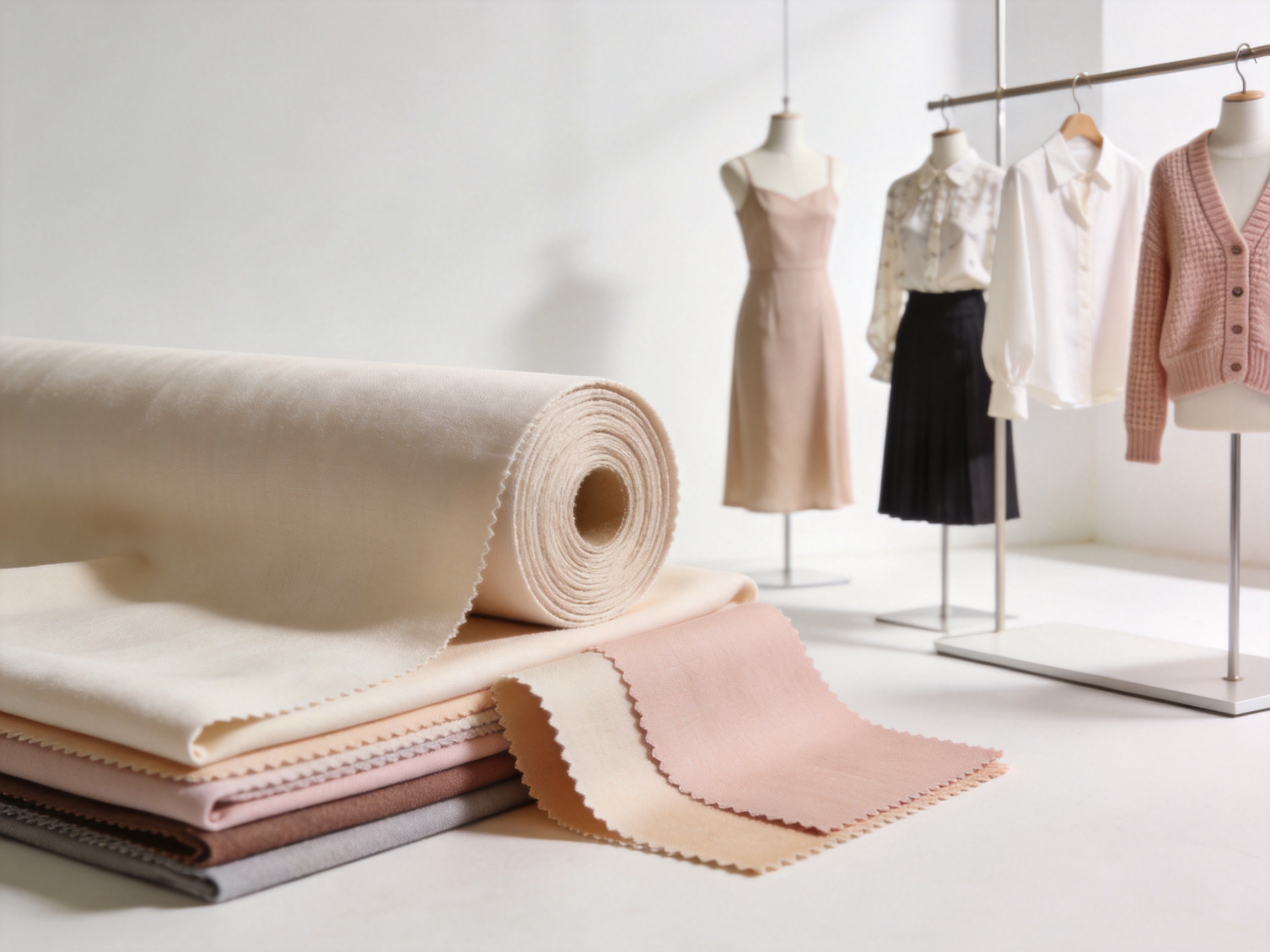
Fashion depends on color, texture, and silhouette. Cotton NR Roman Fabric supports a wide color range through dyeing and finishing. It can be developed in classic neutrals, seasonal fashion tones, deep colors, soft pastels, and commercial basics. The smooth surface allows colors to appear clean and wearable.
The fabric can also be coordinated with other product categories, including knitted jacquard fabrics, polyester-rayon fabrics, NTR knitted fabrics, and different yarn-based materials. For example, a designer might use Cotton NR Roman Fabric for the main body of a dress and jacquard knit for decorative panels. A cardigan could combine Roman fabric with ribbed cuffs. A blouse could use Roman fabric as the base and lace knit as an overlay.
Because the fabric is easy to sew, it supports both simple and more detailed garment construction. Designers can use seams, panels, pleats, topstitching, decorative trims, and shaped hems. The fabric’s stability helps maintain design lines during production, which is especially helpful in bulk manufacturing.
Comparison With Related Fabric Categories
Hangzhou Jinfeng Textile Co., Ltd. works with several fabric and yarn categories, including polyester-rayon fabric, knitted jacquard fabric, NTR knitted fabric, NR knitted fabric, and slight intermingled drawn textured yarn. Cotton NR Roman Fabric fits into this broader product environment as a comfortable and structured knitted fabric for apparel.
Polyester-rayon fabric is often valued for its drape, cost effectiveness, and commercial adaptability. Knitted jacquard fabric adds pattern and texture directly through knit structure. NTR knitted fabric may provide different fiber-performance combinations depending on construction. NR knitted fabric emphasizes the nylon-rayon character of softness, smoothness, and stretch. DTY polyester yarn products support fabric manufacturing through textured filament properties such as bulk and elasticity.
Cotton NR Roman Fabric offers a specific advantage because it combines the refined structure of Roman knit with the comfort expectations of cotton-related fabric and the practical performance of NR knitted materials. It is not merely decorative, like some jacquards, and not merely basic, like some plain knits. It occupies a useful middle ground: attractive enough for fashion, stable enough for production, and comfortable enough for daily wear.
Production Efficiency for Garment Factories
Garment factories care about fabric handling because fabric behavior directly affects productivity. Cotton NR Roman Fabric is generally easier to manage than many unstable stretch knits. Its compact structure can reduce edge curling, improve lay stability during cutting, and support cleaner sewing. This can reduce rework and improve output consistency.
During cutting, stable fabric helps maintain pattern accuracy. If a fabric shifts, stretches, or curls excessively, garment pieces may not match correctly. This can cause twisting seams, uneven hems, or size inconsistency. Cotton NR Roman Fabric’s structure helps reduce these risks when handled properly.
During sewing, the fabric can work well with suitable needles, thread, stitch settings, and machine tension. Factories may use overlock, coverstitch, flatlock, or lockstitch operations depending on garment design. Because the fabric has stretch, seams should be engineered to maintain flexibility. When properly processed, garments can achieve neat construction and comfortable wear.
During finishing and pressing, the fabric’s response to heat and steam should be controlled according to composition. A knowledgeable supplier can provide guidance on care requirements and production handling. This helps garment factories avoid excessive shrinkage, shine marks, or distortion.
Quality Parameters Buyers Should Consider
When sourcing Cotton NR Roman Fabric, buyers should define specifications clearly. Important parameters include composition, yarn count, fabric weight, width, color, shrinkage requirement, colorfastness, hand feel, stretch, recovery, surface appearance, and packing method. Clear specifications reduce misunderstandings and improve sampling efficiency.
Fabric weight is especially important. A lighter weight may suit blouses and summer dresses, while a heavier weight may be better for skirts, cardigans, and structured garments. Width affects marker efficiency and fabric consumption. Shrinkage requirements influence garment sizing. Colorfastness matters for end-user satisfaction, especially for dark colors and children’s clothing.
Buyers should also request pre-production samples and test results when needed. Testing can include washing shrinkage, dimensional stability, pilling resistance, tensile or bursting strength, colorfastness to washing, colorfastness to rubbing, and appearance after laundering. These tests help ensure the fabric meets the target market’s expectations.
Sustainability and Responsible Textile Development
Modern textile buyers increasingly consider sustainability, waste reduction, and responsible manufacturing. Cotton NR Roman Fabric can contribute to responsible apparel development when produced with efficient process control, optimized dyeing, reduced waste, and durable garment performance. A garment that lasts longer and maintains its appearance can reduce replacement frequency.
Blended fabrics should be designed thoughtfully. Each fiber should serve a purpose, whether softness, strength, drape, elasticity, or stability. Over-engineering a fabric can increase cost and complexity, while under-engineering can reduce performance. The best approach is to design the blend according to the garment’s real use.
Efficient manufacturing also matters. Integrated production can reduce repeated transportation between separate processing sites and improve process accountability. Controlled dyeing and finishing can reduce reprocessing caused by shade variation or hand-feel inconsistency. Strong quality inspection can reduce waste in garment factories by preventing defective fabric from entering production.
How Cotton NR Roman Fabric Supports Brand Competitiveness
For apparel brands, fabric choice influences product reviews, return rates, customer loyalty, and perceived value. Cotton NR Roman Fabric supports competitiveness in several ways. First, it helps garments feel comfortable at first touch. Second, it offers enough structure to create attractive silhouettes. Third, it supports efficient production, which can help control cost and delivery time. Fourth, it can be customized through weight, color, and finishing.
Compared with low-cost basic knits, it can create a more premium impression. Compared with rigid woven fabrics, it offers better comfort and movement. Compared with decorative but delicate fabrics, it provides practical everyday performance. This makes it suitable for brands that want garments positioned between casual comfort and refined appearance.
Because the fabric works across multiple garment categories, brands can use it to build coordinated collections. A single fabric platform can support dresses, skirts, tops, cardigans, and sets. This simplifies sourcing and creates visual consistency. It can also improve production planning because multiple styles may share related fabric specifications.
Customization Opportunities
Cotton NR Roman Fabric can be customized to meet different market needs. Buyers may request adjustments in GSM, width, color, softness, elasticity, compactness, drape, and surface finish. The manufacturer can develop samples based on target garments and performance requirements.
For a dress program, the buyer may choose a medium-weight fabric with smooth drape and good opacity. For a skirt program, a heavier and more structured version may be preferred. For tops, a lighter and softer version may be selected. For cardigans, the fabric may need a balanced fall and comfortable stretch. This flexibility is one of the material’s greatest commercial strengths.
Color customization is also important. Fashion buyers often require seasonal palettes and repeatable shades. A supplier with dyeing and finishing capabilities can support lab dips, sample yardage, and bulk shade control. This helps brands launch collections with accurate color coordination.
Care and Handling Considerations
Care instructions should be determined according to the final composition and finishing method. In general, knitted blended fabrics should be washed with appropriate temperature control, mild detergent, and gentle handling. Excessive heat may affect shrinkage or surface appearance. Dark colors should be tested for colorfastness before garment labeling.
Garment factories should relax the fabric before cutting if required, especially for knitted materials. Proper relaxation helps reduce dimensional changes after cutting. Fabric rolls should be stored in a clean, dry environment away from direct sunlight and contamination. During sewing, needles and machine settings should be selected to avoid skipped stitches, holes, or seam puckering.
For end users, garments made from Cotton NR Roman Fabric can be easy to wear and maintain when proper care labels are followed. The fabric’s stable structure can help garments retain appearance through normal use, but care instructions remain important for long-term satisfaction.
Frequently Asked Questions
What is Cotton NR Roman Fabric?
Cotton NR Roman Fabric is a Roman knit fabric within the NR knitted fabric category, developed to provide softness, stretch, structural stability, and a refined appearance. It may be engineered with cotton-related comfort and nylon-rayon-based performance characteristics depending on the required specification.
What garments can be made from this fabric?
It is suitable for dresses, blouses, skirts, cardigans, tops, coordinated sets, and selected baby or children’s garments when the composition and finishing meet the required comfort and safety standards.
How is it different from ordinary jersey?
Compared with ordinary jersey, Cotton NR Roman Fabric generally offers better structure, reduced edge curling, improved opacity, and more stable garment shape. It is often easier to cut and sew in bulk production.
Is it comfortable for daily wear?
Yes. The fabric is designed to provide softness, stretch, and smooth touch. Its knitted construction allows movement, while its Roman structure helps garments maintain a neat appearance.
Can the fabric be customized?
Yes. Buyers can request customized weight, width, color, hand feel, composition direction, finishing effect, and performance requirements. Sampling is recommended before bulk production.
Why choose an integrated manufacturer for this fabric?
An integrated manufacturer can better control yarn selection, knitting, dyeing, finishing, and inspection. This improves consistency, reduces quality risks, and supports faster problem solving during development and bulk production.
Does the fabric work with decorative materials?
Yes. Cotton NR Roman Fabric can be combined with lace knit, jacquard knit, rib trims, woven panels, or decorative stitching. Its smooth and stable base makes it suitable for many design combinations.
What should buyers test before ordering bulk fabric?
Buyers should consider testing shrinkage, colorfastness, pilling resistance, stretch and recovery, fabric weight, width, surface defects, and appearance after washing. Requirements should match the intended garment and target market.
Conclusion
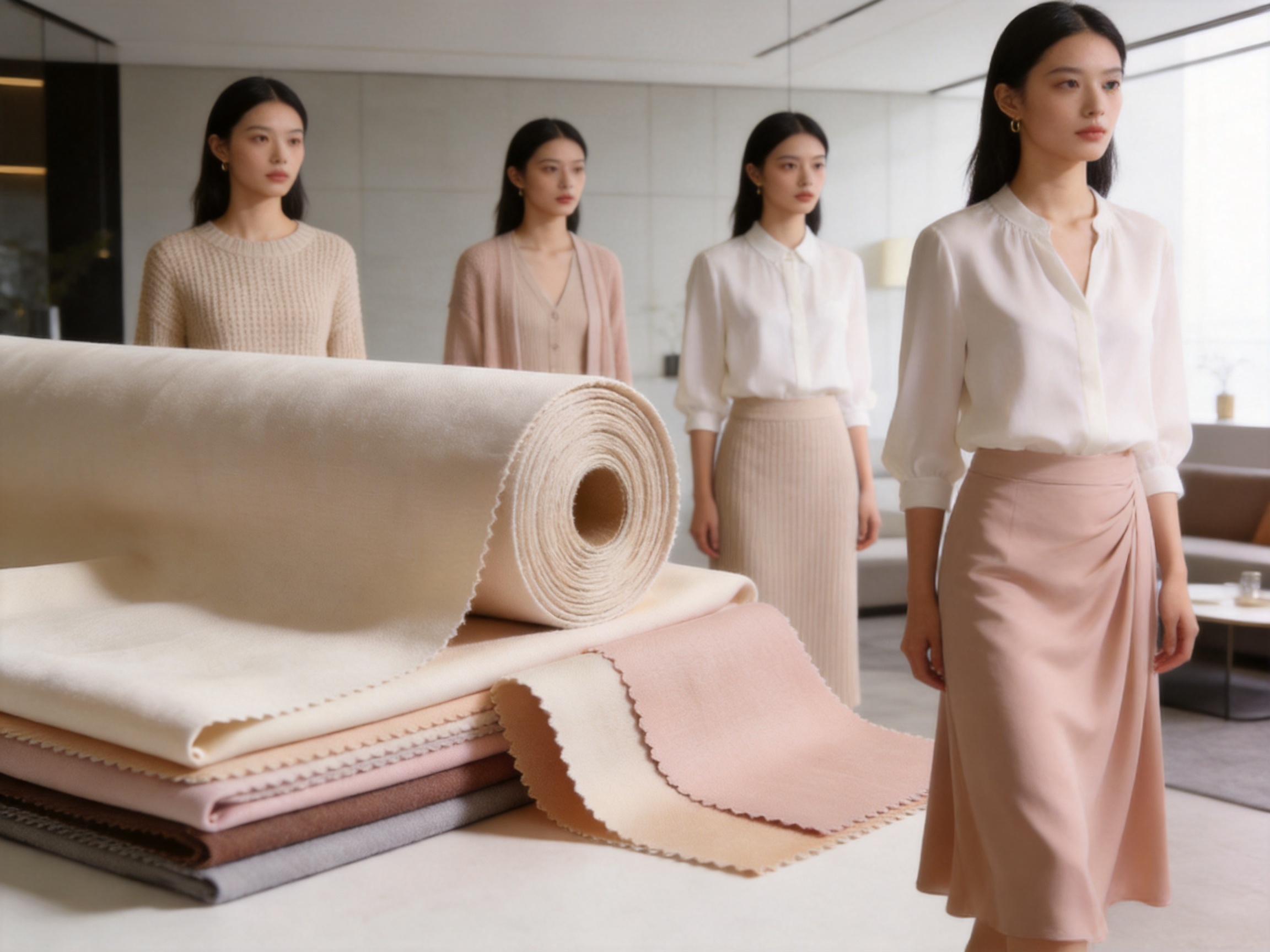
Cotton NR Roman Fabric is a practical and attractive choice for modern apparel. It combines the comfort of a soft knitted material with the structure and stability of Roman knit construction. For designers, it offers flexibility across dresses, blouses, skirts, cardigans, baby clothing, and coordinated fashion sets. For garment factories, it provides easier handling than many unstable knits. For brands, it supports garments that look refined, feel comfortable, and perform reliably in daily use.
Its advantages over competing fabrics come from balance. It is more stable than ordinary jersey, more comfortable than many woven alternatives, more refined than basic rib knit, and more practical than decorative lace knit for core garments. It can be developed in different weights, colors, and finishing styles, making it suitable for various market positions.
Behind the product, advanced manufacturing processes are essential. Yarn knowledge, controlled knitting, accurate dyeing, professional finishing, and thorough inspection all contribute to final quality. Hangzhou Jinfeng Textile Co., Ltd. brings experience in blended fabrics, DTY polyester yarn processing, post-dyeing, finishing, and export-oriented textile supply. This manufacturing foundation helps customers receive fabric that is not only appealing in sample form but also reliable in bulk production.
For buyers seeking a fabric that combines comfort, structure, production efficiency, and design adaptability, Cotton NR Roman Fabric offers a strong solution. It supports the needs of today’s apparel market, where consumers expect clothing to be soft, stylish, durable, and easy to wear. With proper specification and manufacturing control, it can become a dependable fabric platform for successful garment collections.
References
1. Spencer, D. J. Knitting Technology: A Comprehensive Handbook and Practical Guide. Woodhead Publishing.
2. Sinclair, R. Textiles and Fashion: Materials, Design and Technology. Woodhead Publishing.
3. Kadolph, S. J. Textiles. Pearson Education.
4. Saville, B. P. Physical Testing of Textiles. Woodhead Publishing.
5. Collier, B. J., and Epps, H. H. Textile Testing and Analysis. Pearson Prentice Hall.
6. Horrocks, A. R., and Anand, S. C. Handbook of Technical Textiles. Woodhead Publishing.
